My Preaching Work in the Philippines in 2026
By Osamagbe Lesley EGHAREVBA
Introduction
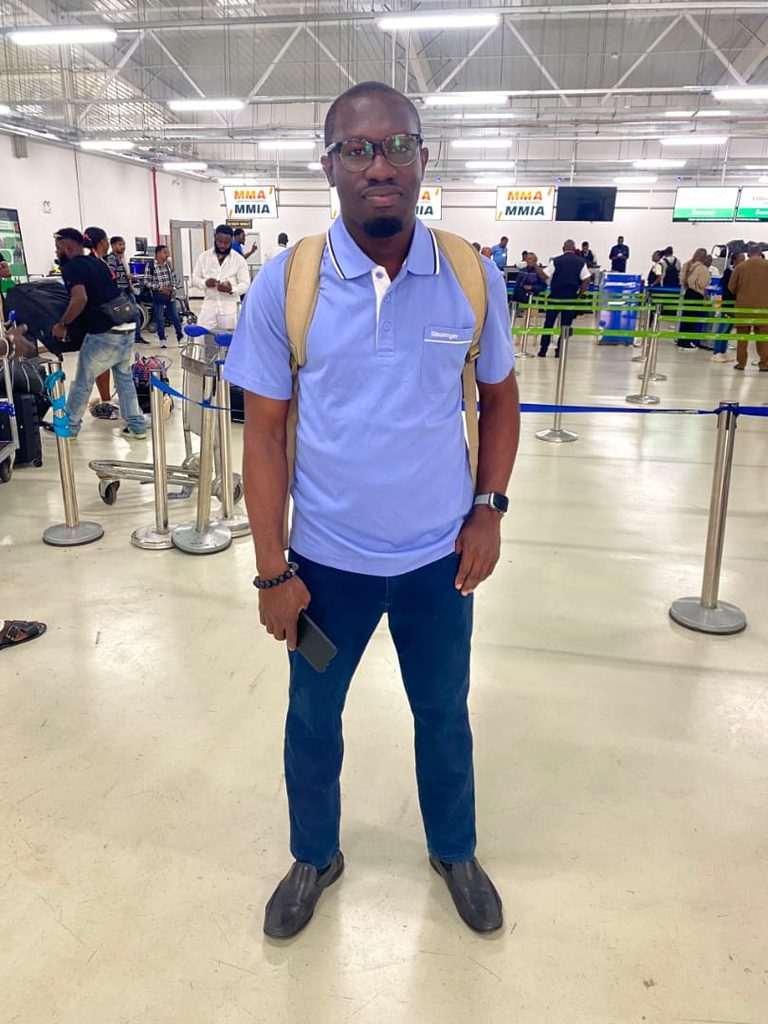
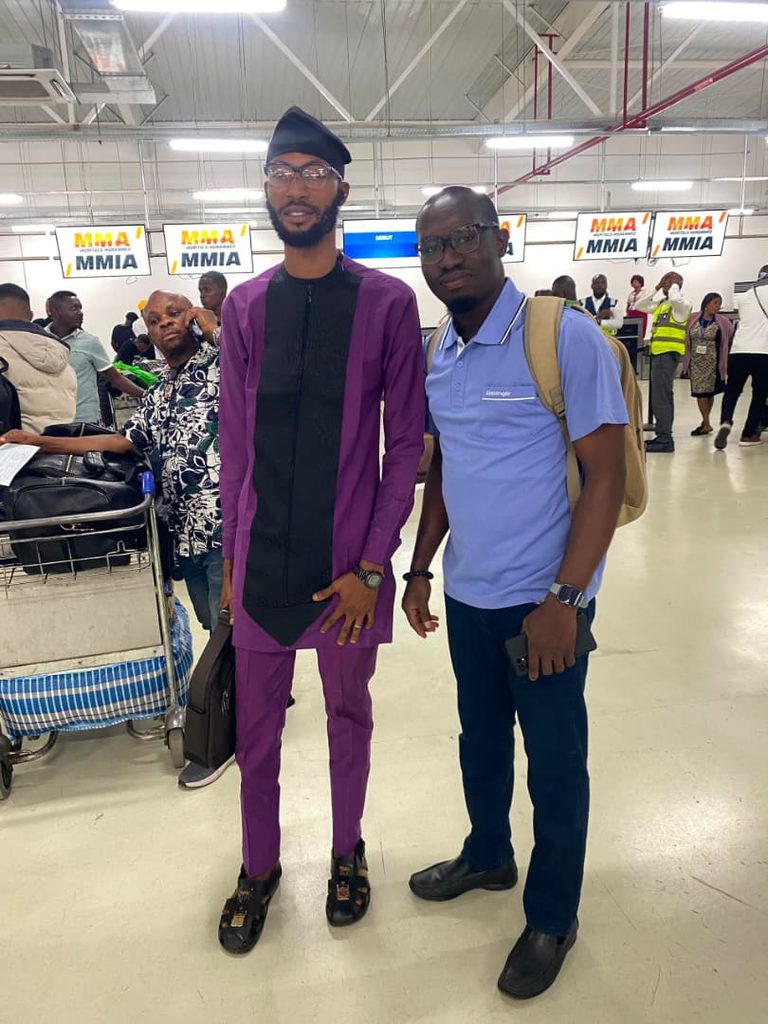
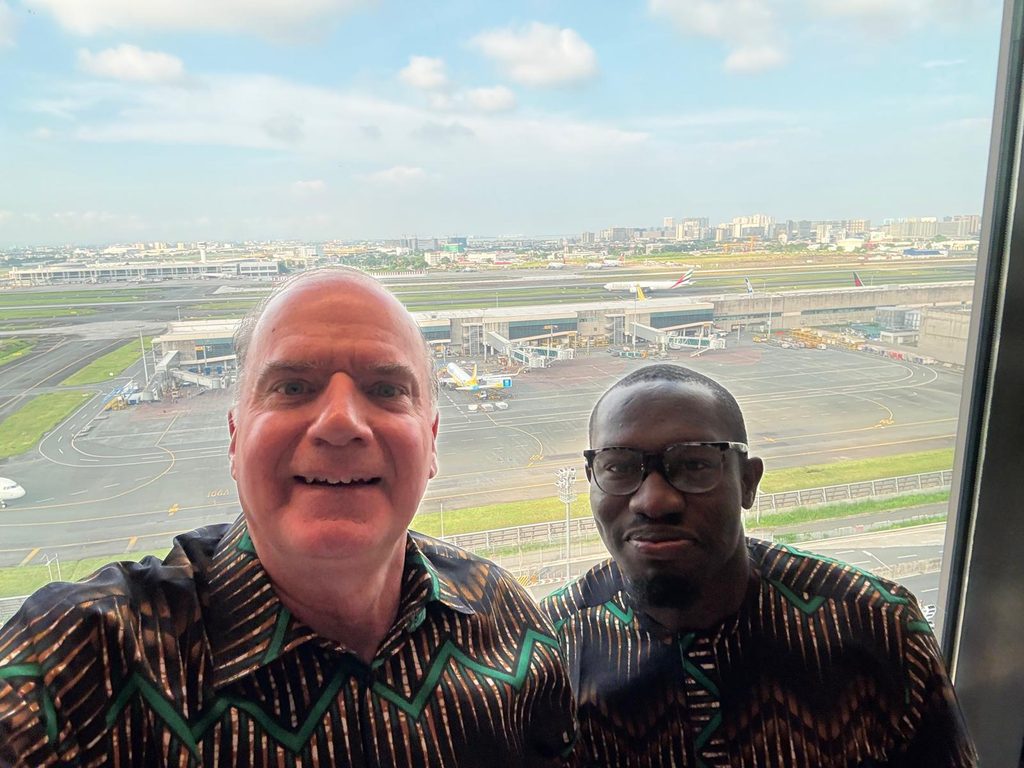
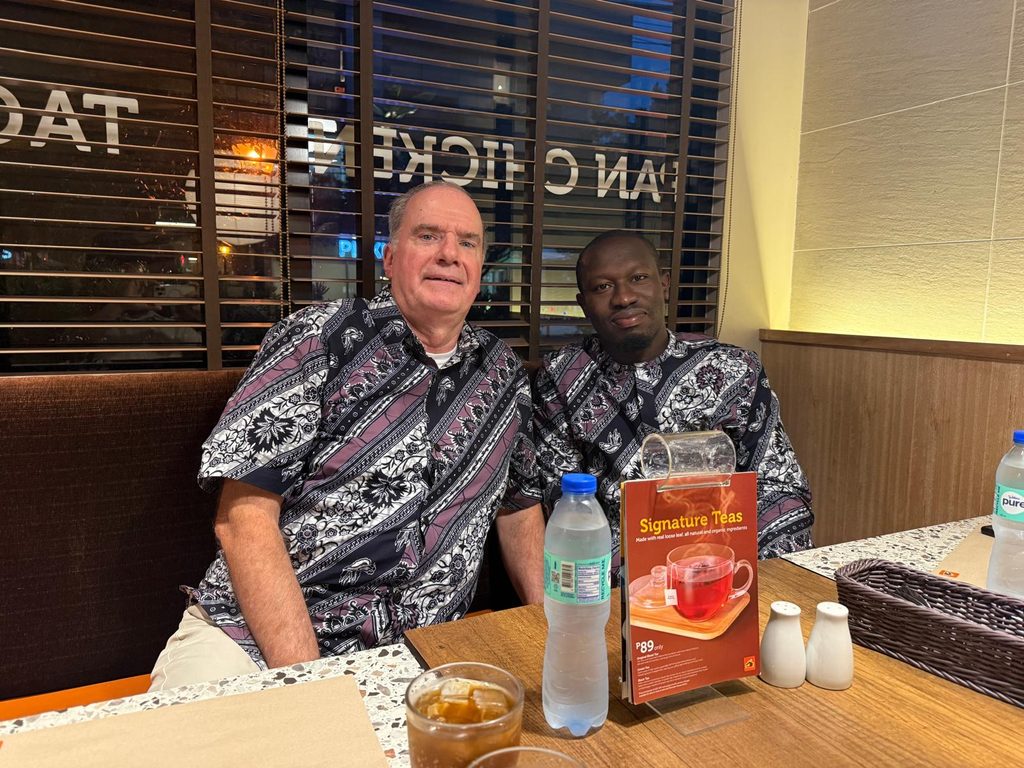
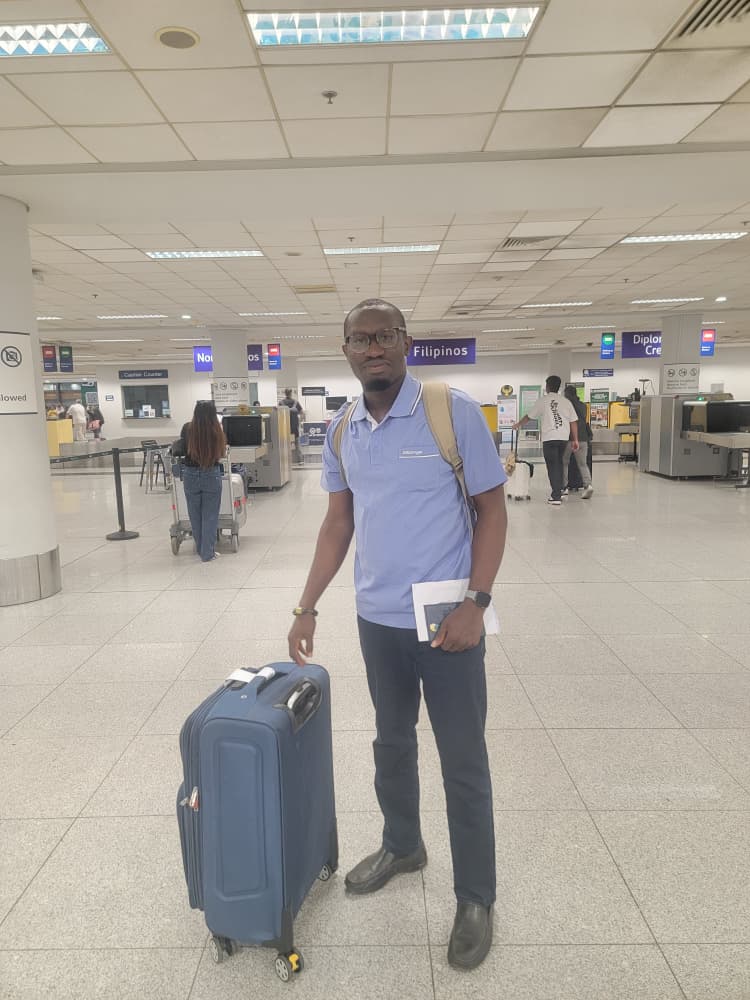
From September 21 to September 29, 2026, I travelled from Lagos, Nigeria, to the Philippines for a preaching trip aimed at preaching the gospel, teaching the Word of God, encouraging brethren, and strengthening the local congregations. I made the trip alongside brother Chris Reeves from Tennessee, United States, who had previously visited me in Nigeria in 2025. We had also travelled together to Ghana for preaching work that same year.
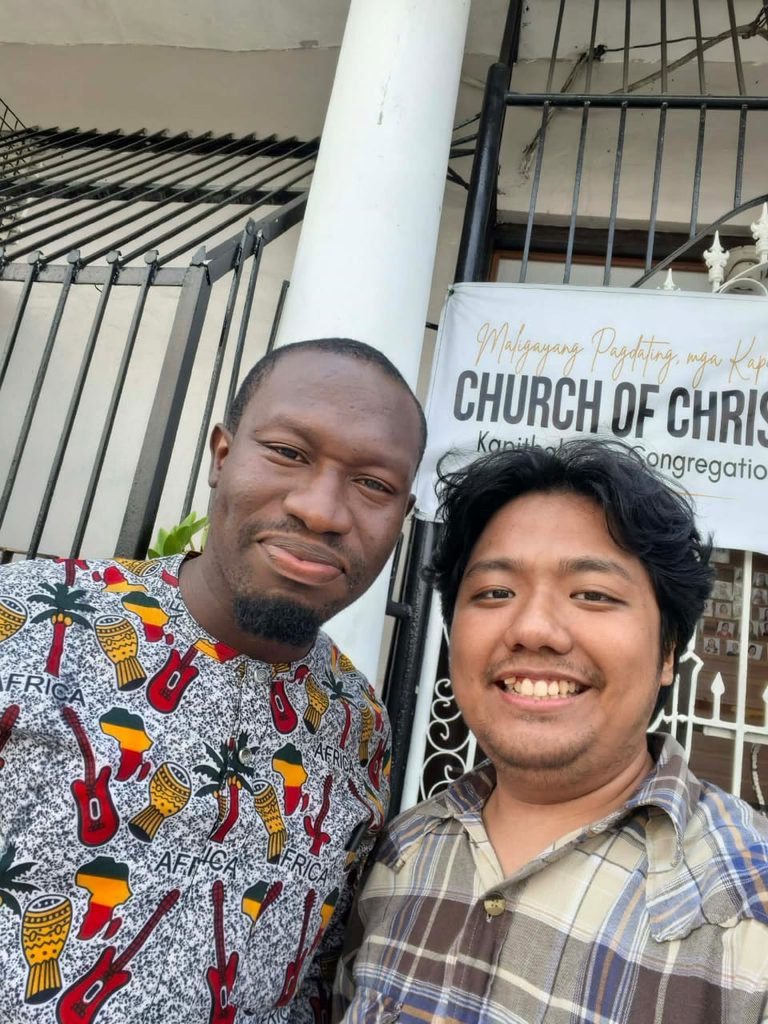
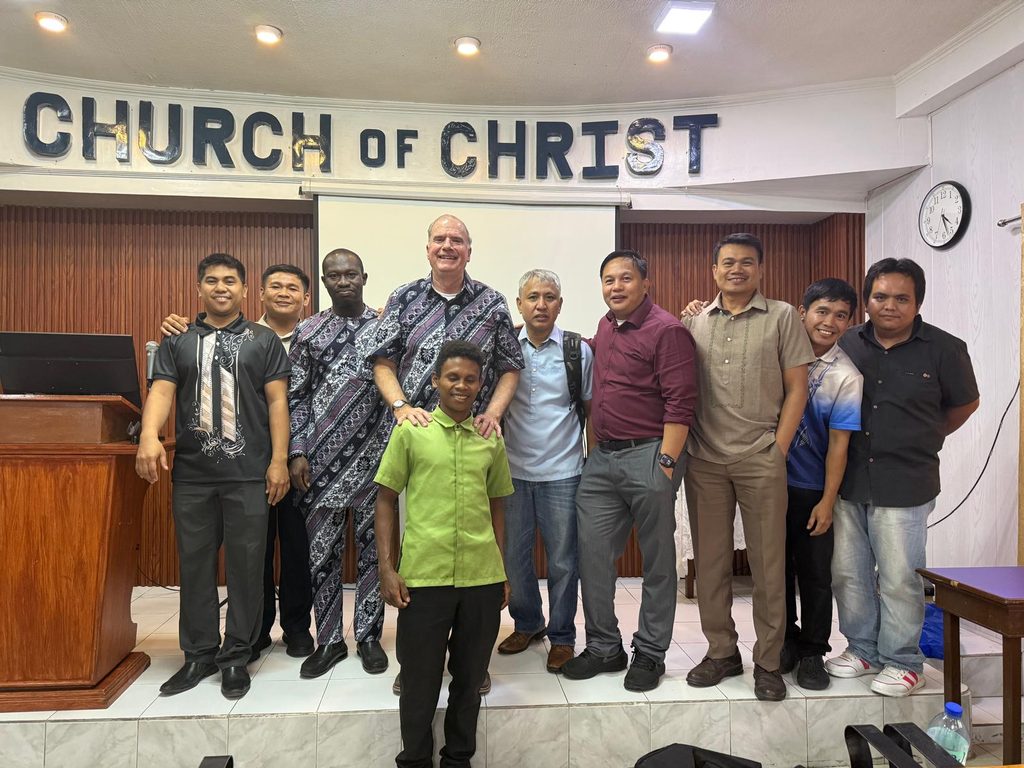
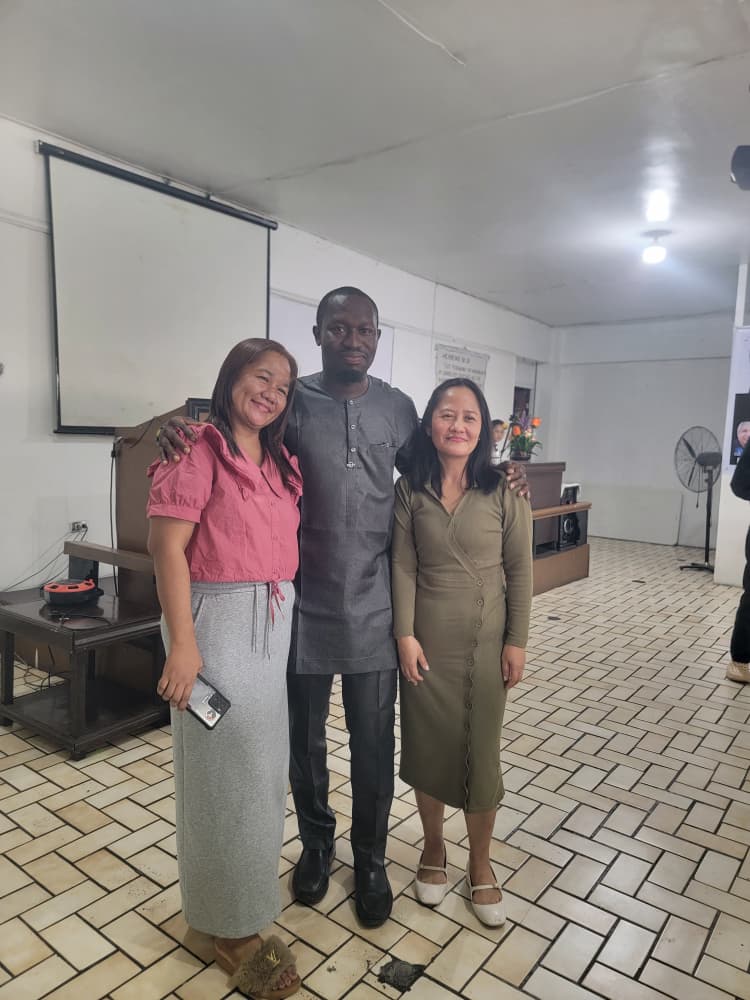
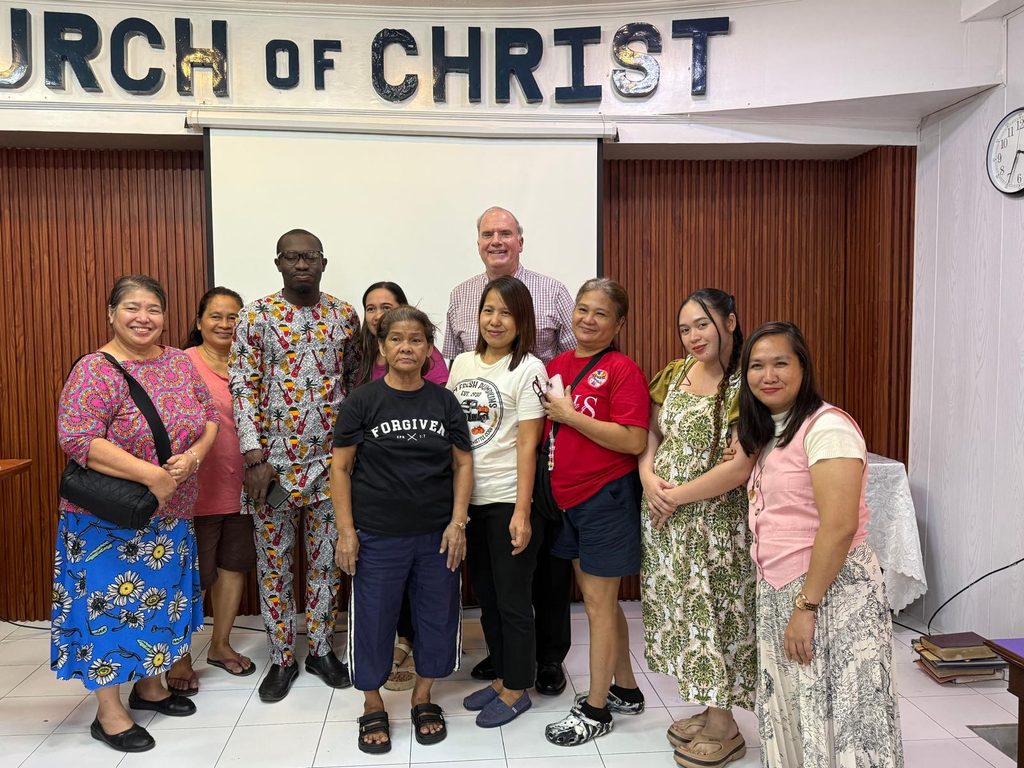
During my stay in the Philippines, I had opportunities to teach at a three-day men’s Bible lectureship at the Kapitbahayan Church of Christ, visit congregations in different locations, preach on various biblical subjects, and engage in personal Bible studies. The trip also provided an opportunity to meet and encourage several Filipino brethren with whom I had previously been studying through the Internet. I am thankful to God for the opportunity to participate in this work and for the warm reception and cooperation of the brethren in the Philippines. The following is an account of the journey and the preaching activities during my stay.
Journey to the Philippines and an Opportunity to Teach the Gospel
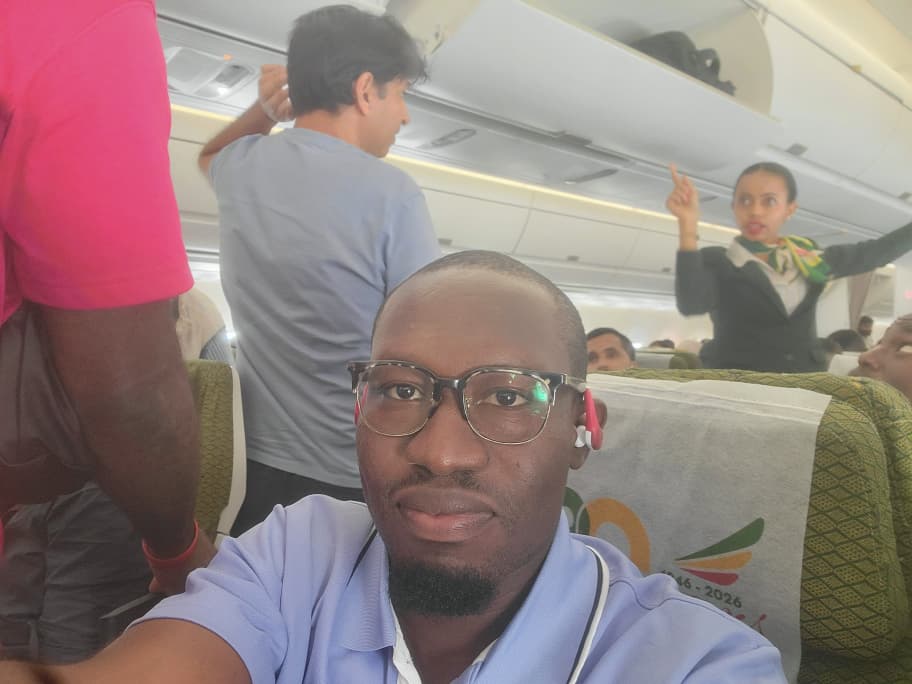
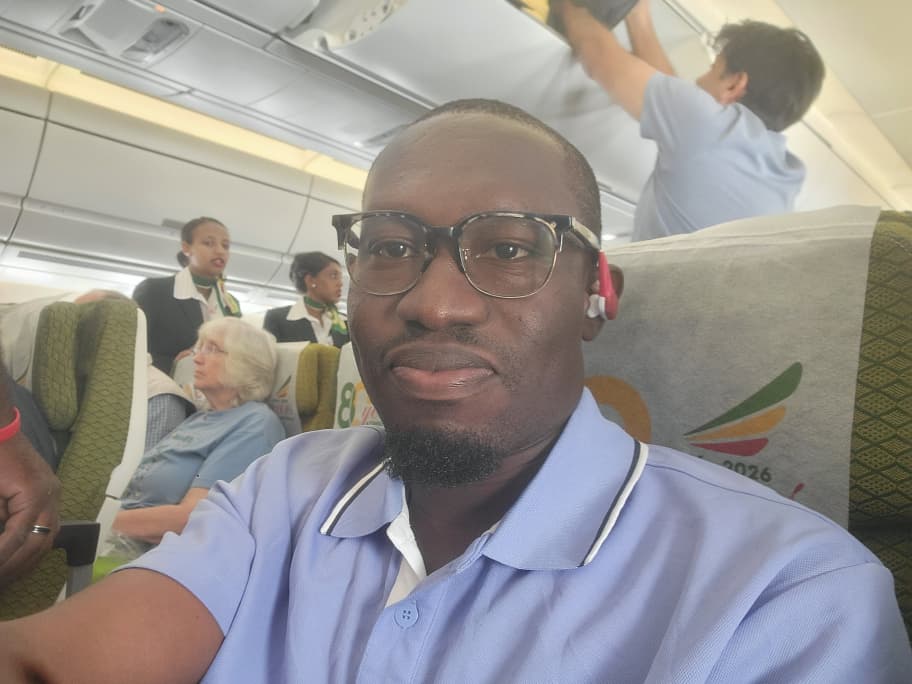
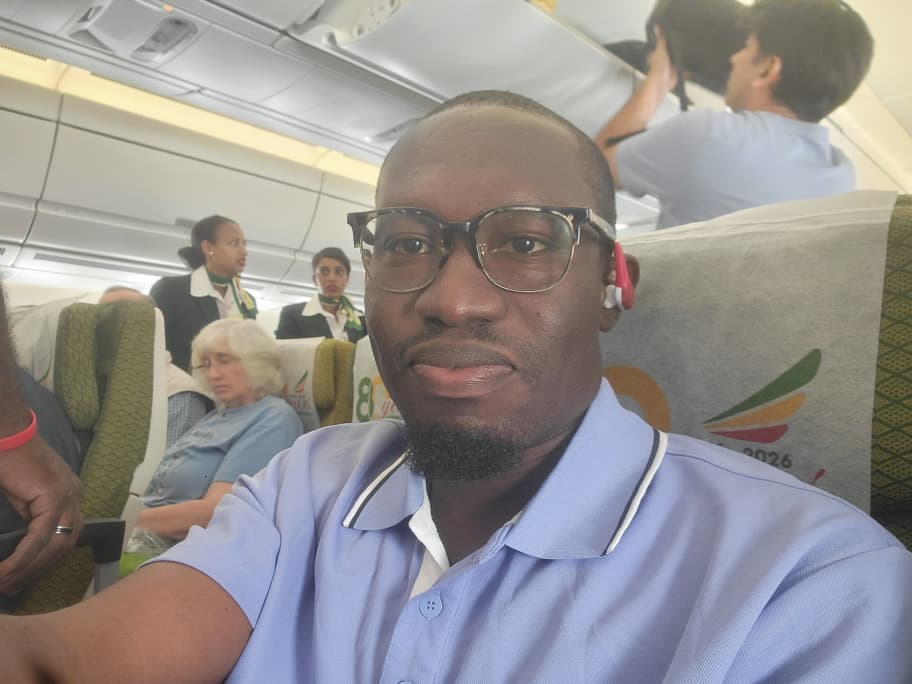
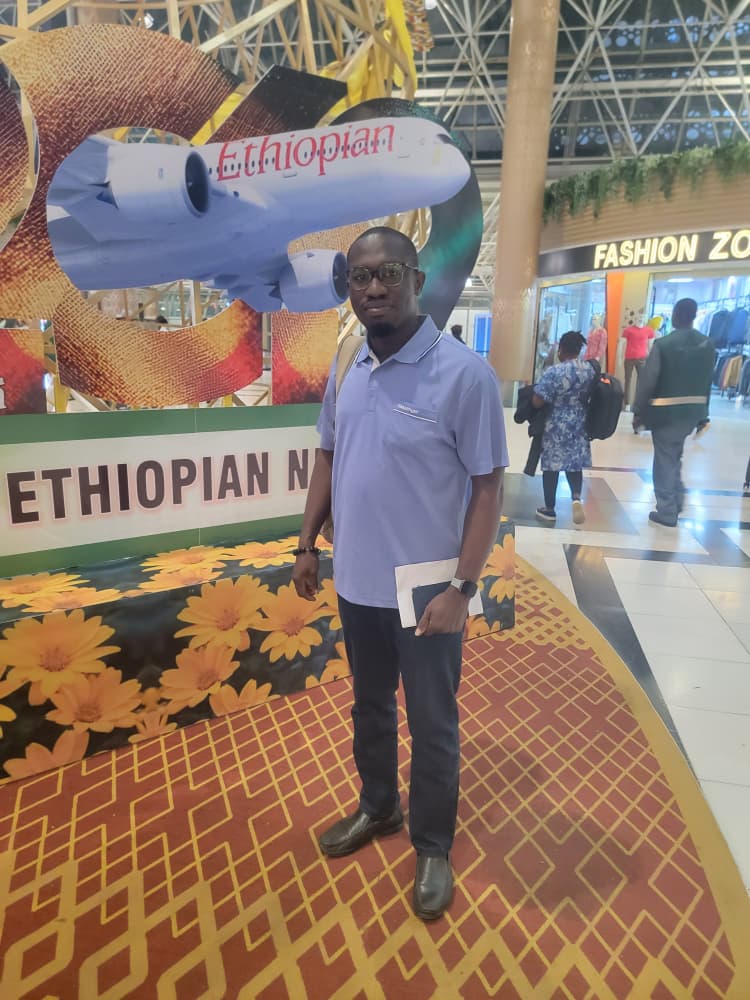
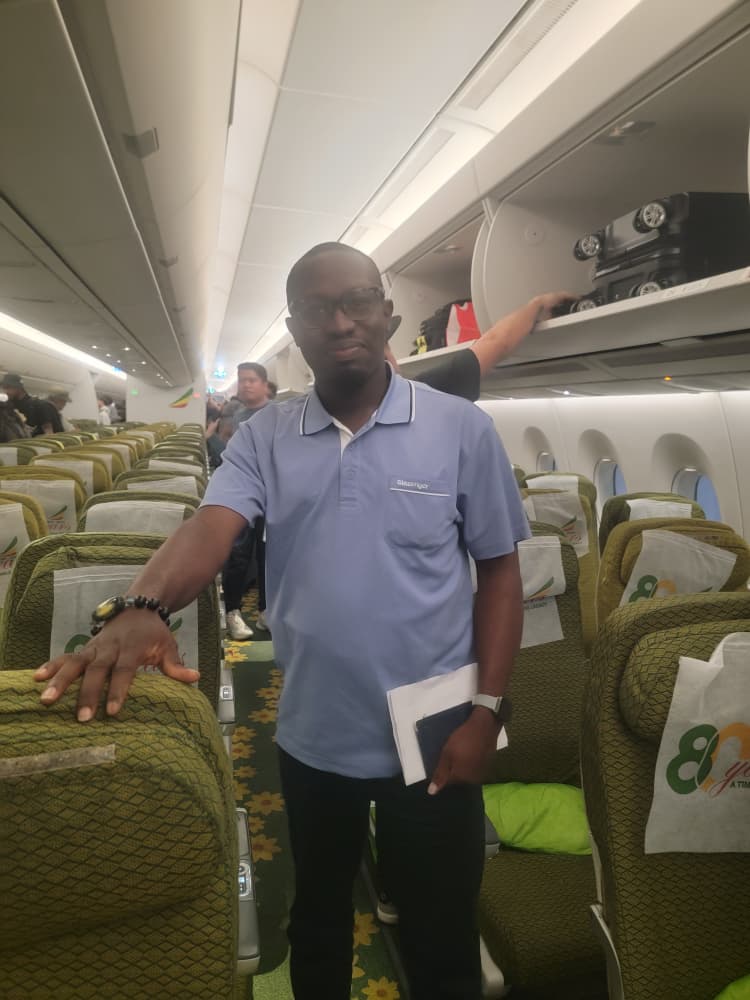
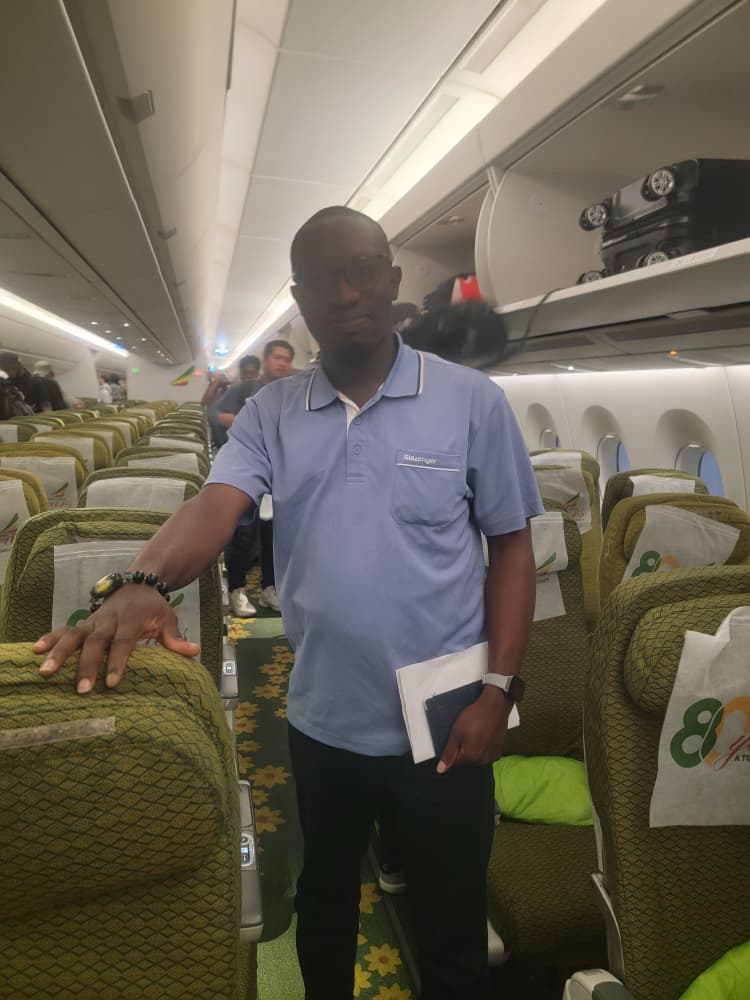
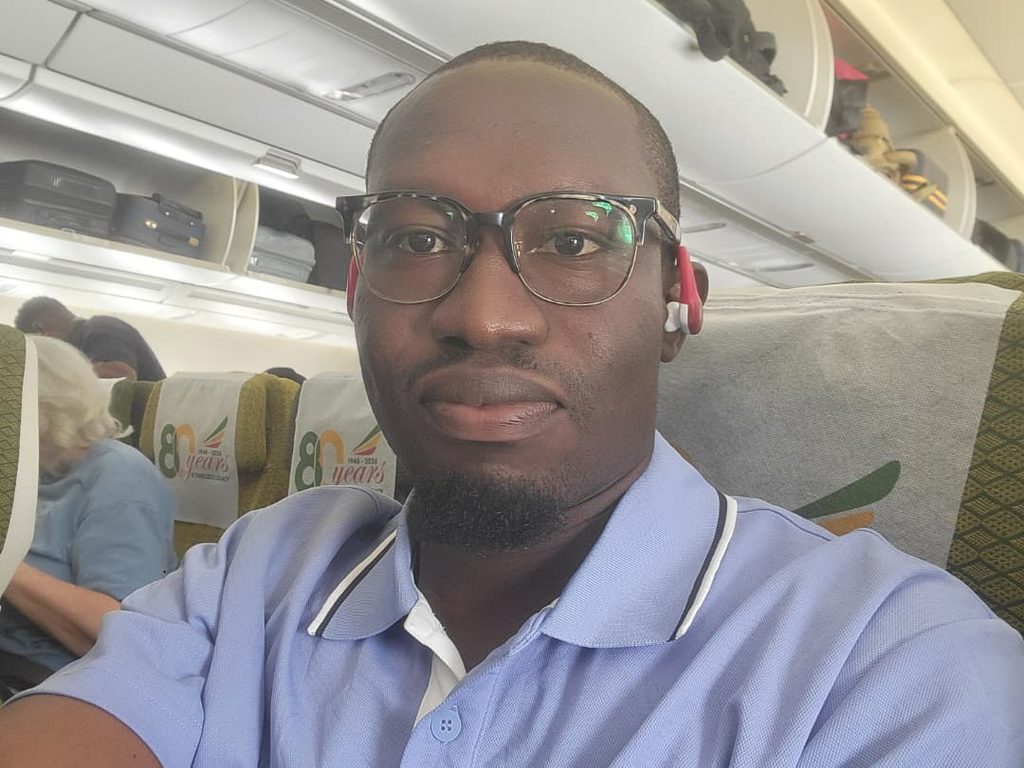
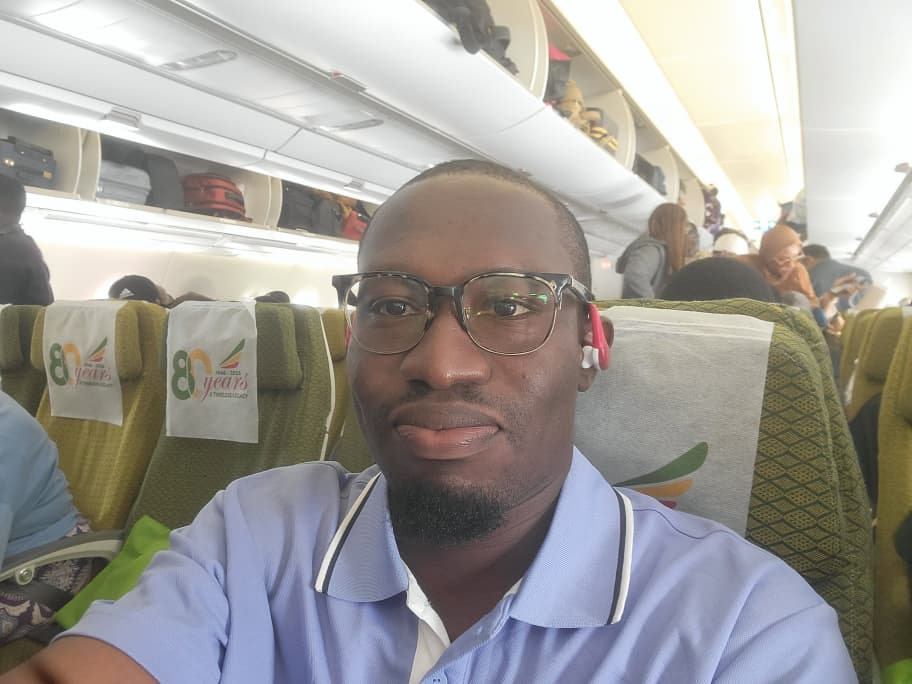
On Monday, September 21, I departed Lagos, Nigeria, for Addis Ababa, Ethiopia. The flight took approximately six hours. From Addis Ababa, I continued to Manila, Philippines, through Hong Kong, China, on a journey that took approximately thirteen hours.
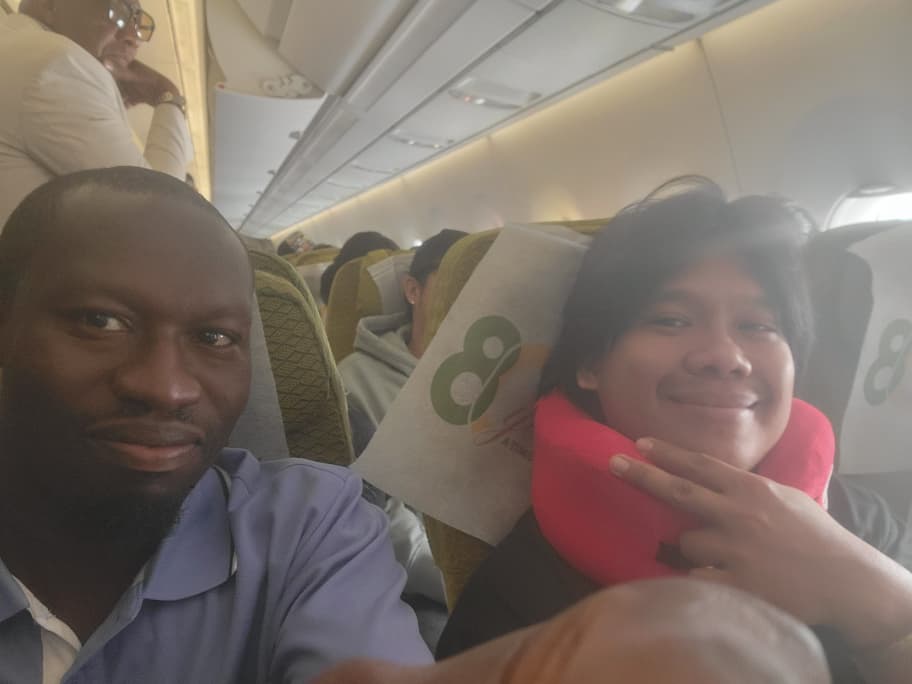
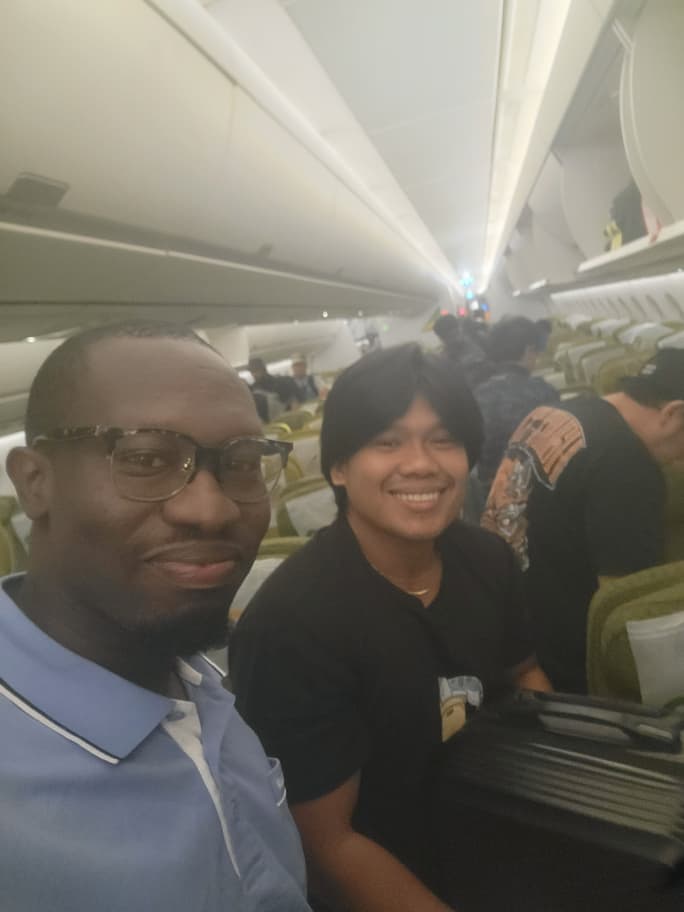
During the flight from Addis Ababa to Manila, I met a Filipino man named Rowell H. Rosende, who lives in Cavite, an area near Manila. Rowell was seated beside me, and we eventually began a conversation. I took the opportunity to introduce the gospel to him and discuss some important biblical subjects.
Rowell identified himself as a Catholic, so I discussed with him some practices associated with Catholicism that I believe are not supported by the teaching of Scripture, including infant baptism and the sprinkling of water as baptism. I explained the New Testament teaching concerning baptism, including the relationship between baptism and the forgiveness of sins (Acts 2:38), and the biblical picture of baptism as a burial and resurrection with Christ (Romans 6:3–4; Colossians 2:12). I also discussed the church established by Christ and the importance of following the pattern revealed in God’s Word (Matthew 16:18; Colossians 3:17).
The conversation was encouraging, and Rowell appeared to understand the points I raised. We exchanged contact information and agreed to remain in touch. I also expressed my intention to invite him to visit with us and, if possible, connect him with brother James Paet, a Filipino preacher, so that further Bible studies could be arranged. I was grateful for this opportunity because it reminded me that opportunities to teach the gospel can arise in ordinary circumstances, even during a long international journey. Christians are encouraged to be ready to give an answer concerning their hope (1 Peter 3:15) and to make the most of opportunities to communicate the truth (Colossians 4:5–6).
Arrival in Manila
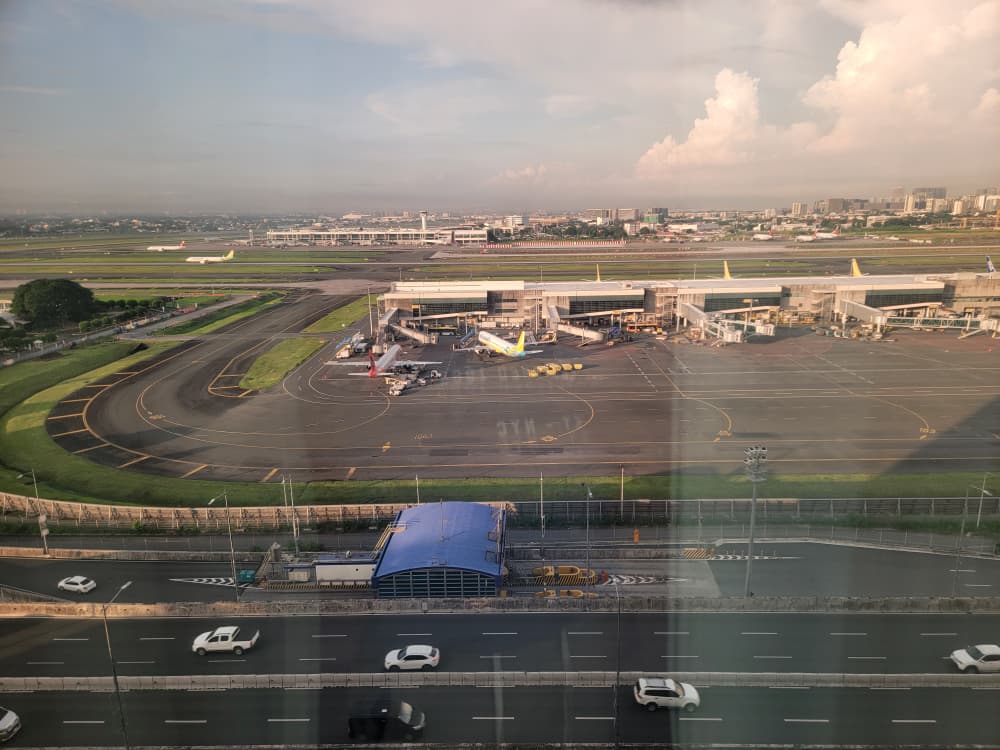
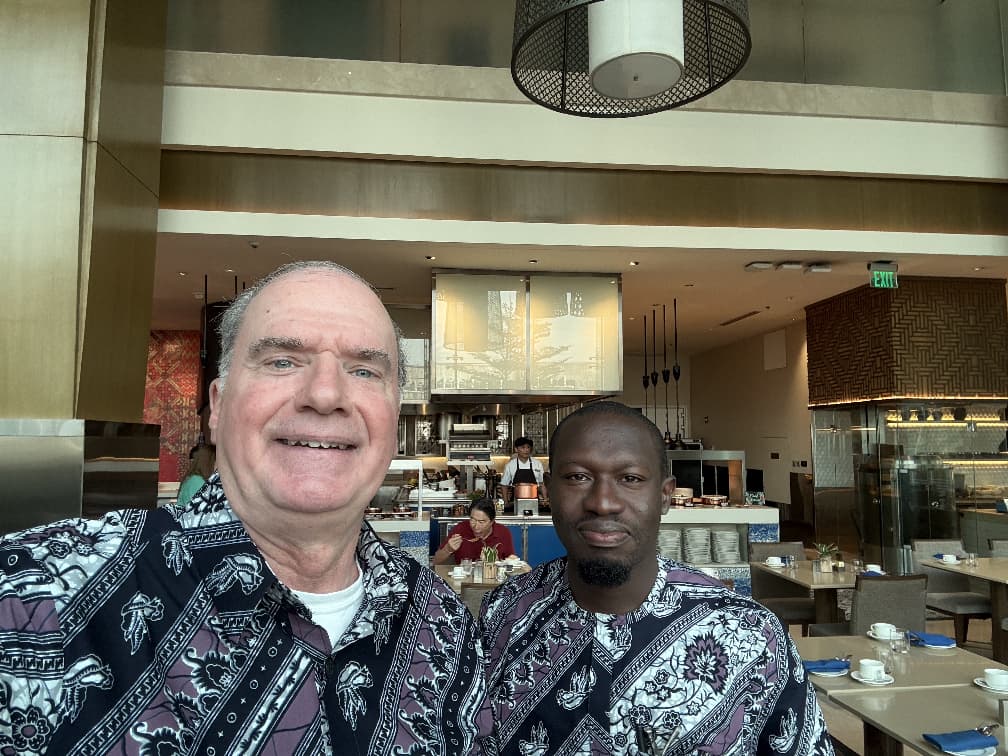
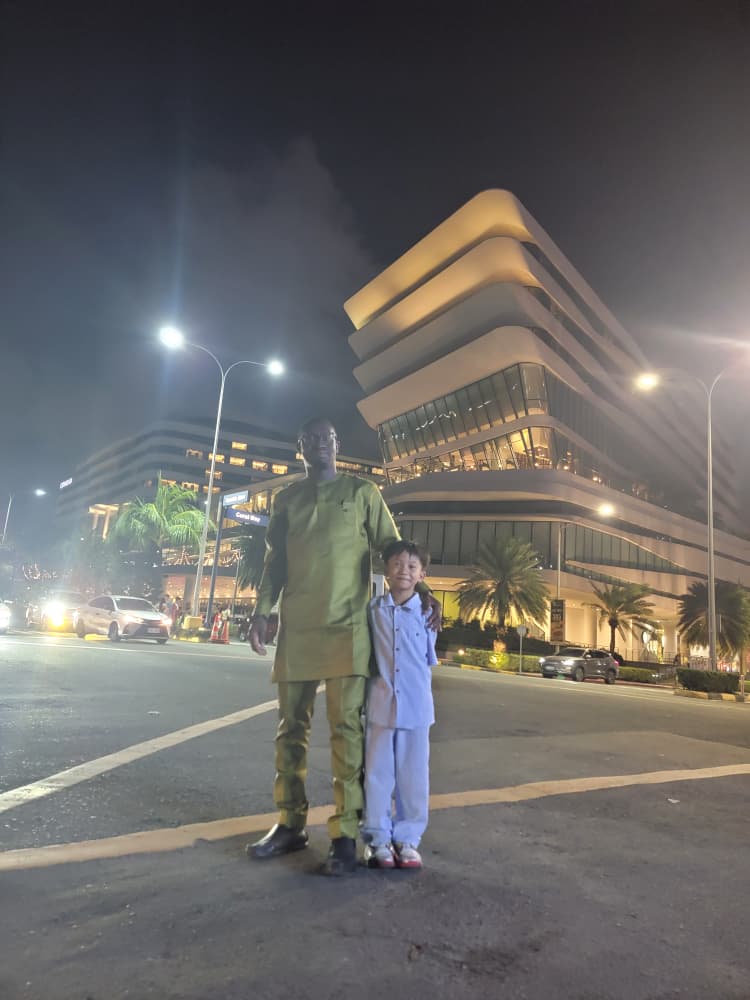
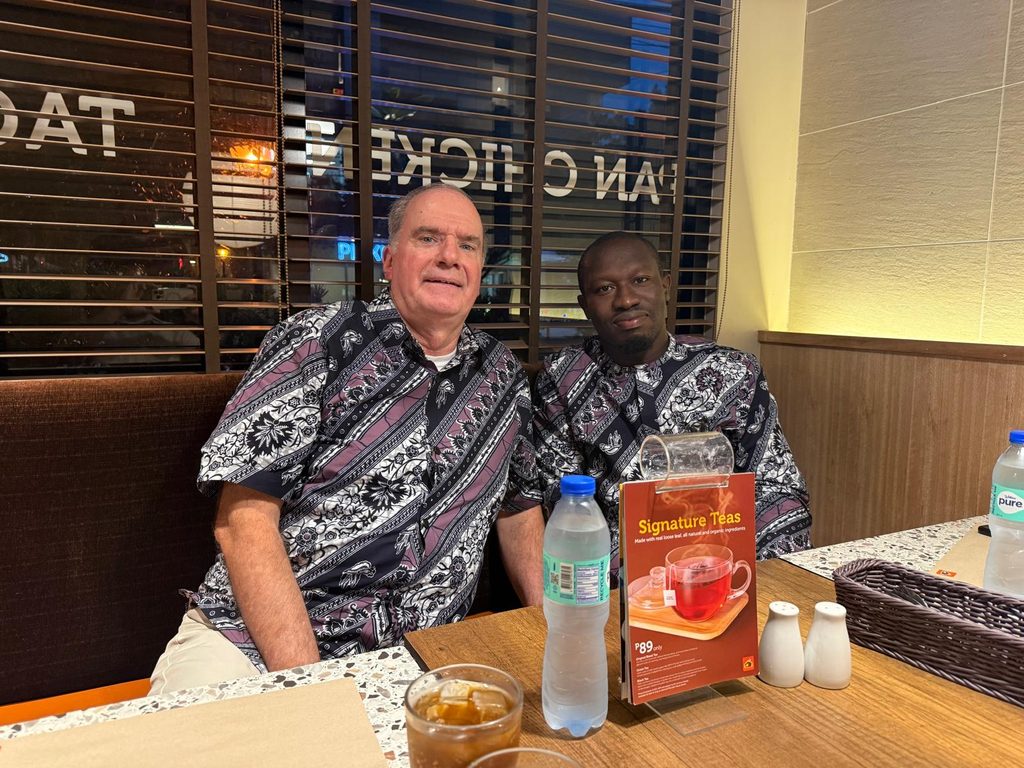
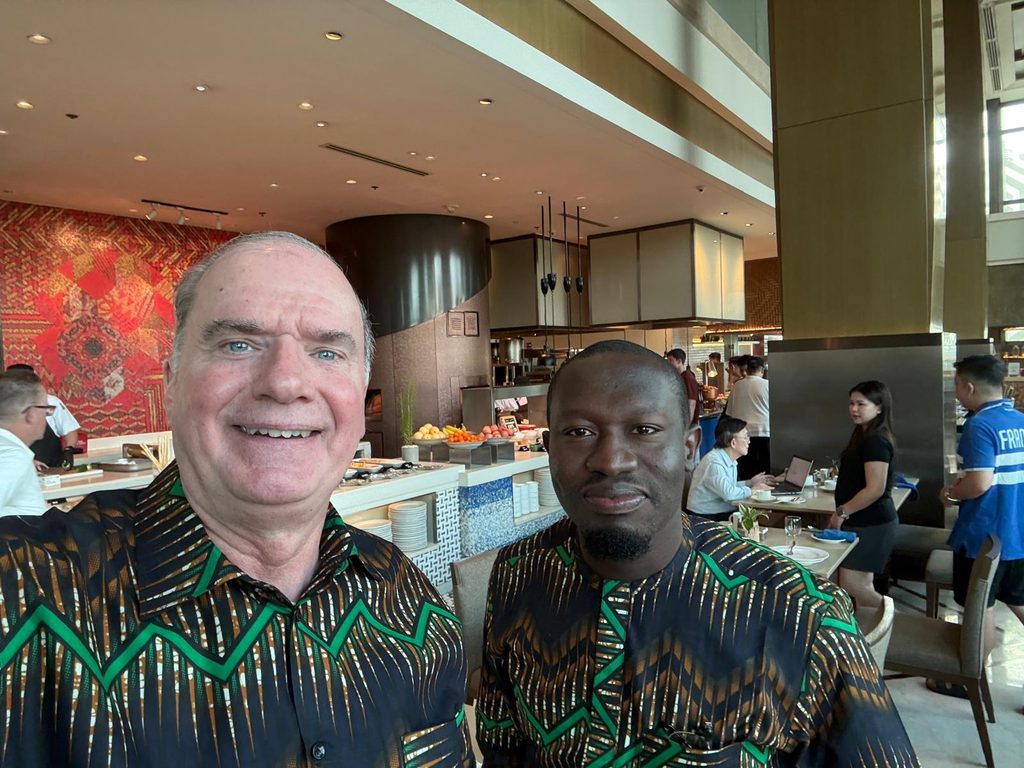
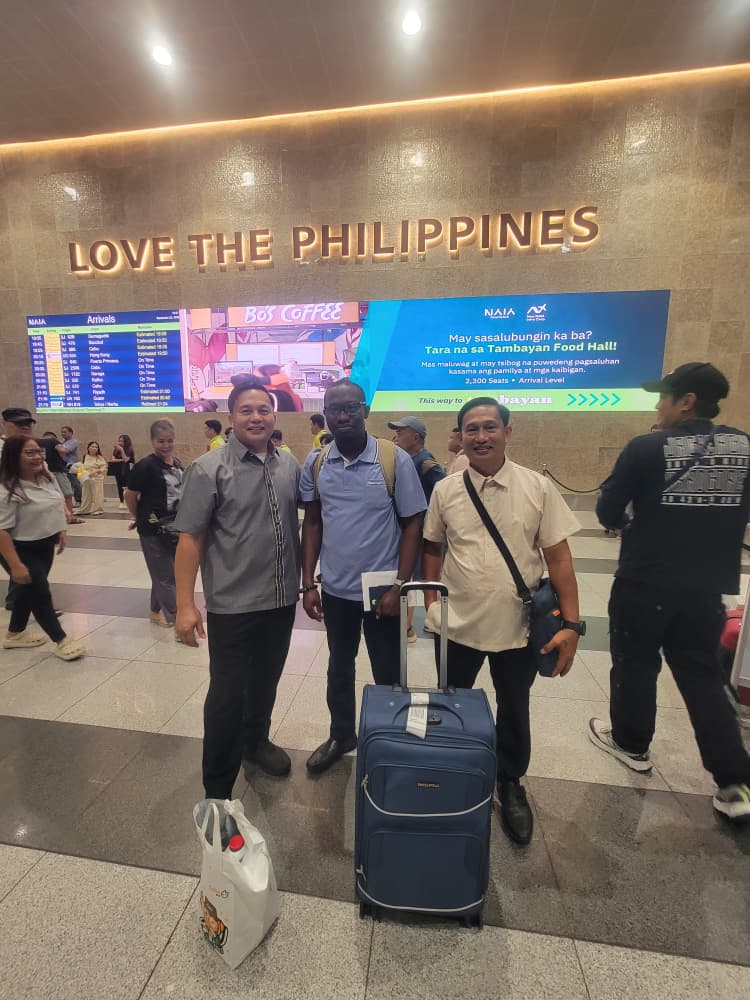
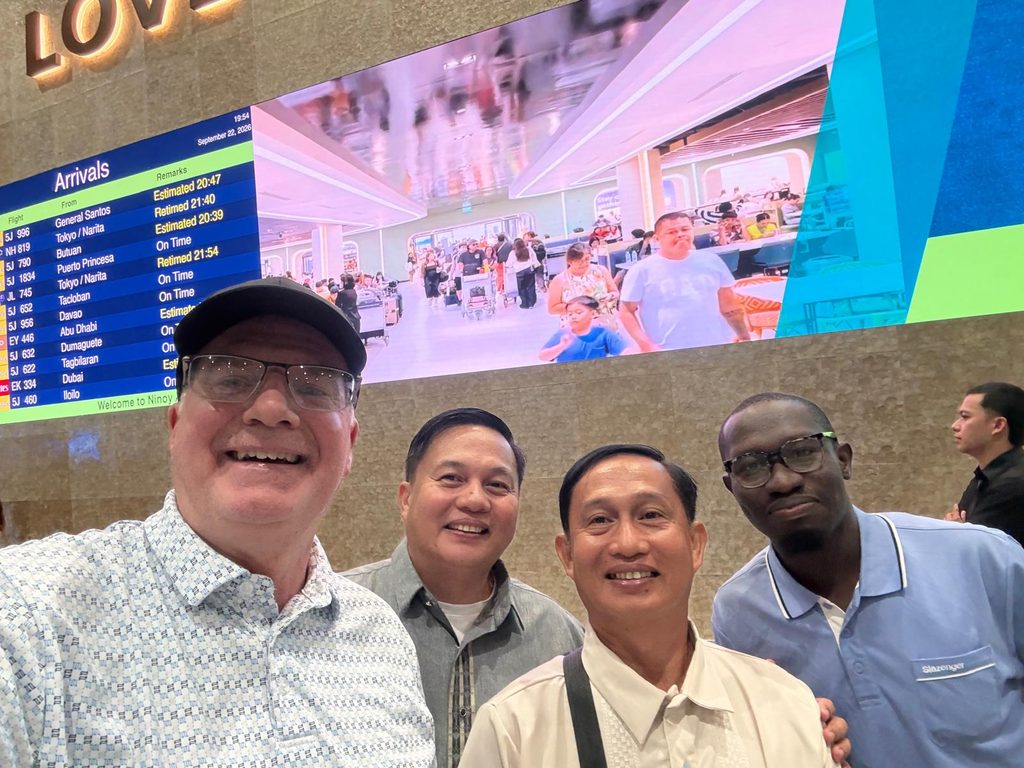
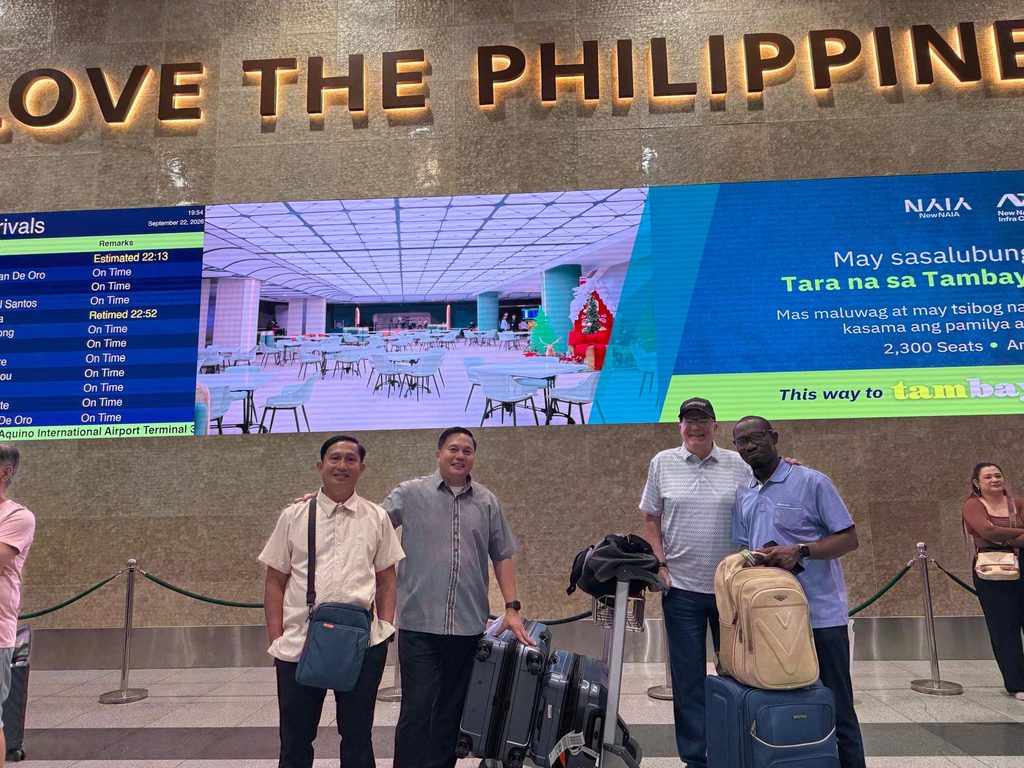
I arrived at the Ninoy Aquino International Airport in Manila at approximately 6:00 p.m. on Tuesday, September 22, Philippine time. Brothers James Paet and Samuel Paet, Filipino preachers who are biological brothers, were already waiting at the airport to receive me. After approximately thirty minutes, brother Chris Reeves arrived from the United States. Brother James then drove us to the Sheraton Manila Hotel, located opposite the airport, where we lodged during the trip. It was a pleasure to reunite with brother Chris, with whom I had previously worked during his visit to Nigeria and our subsequent preaching trip to Ghana. We were grateful to have the opportunity to work together again, this time in the Philippines.
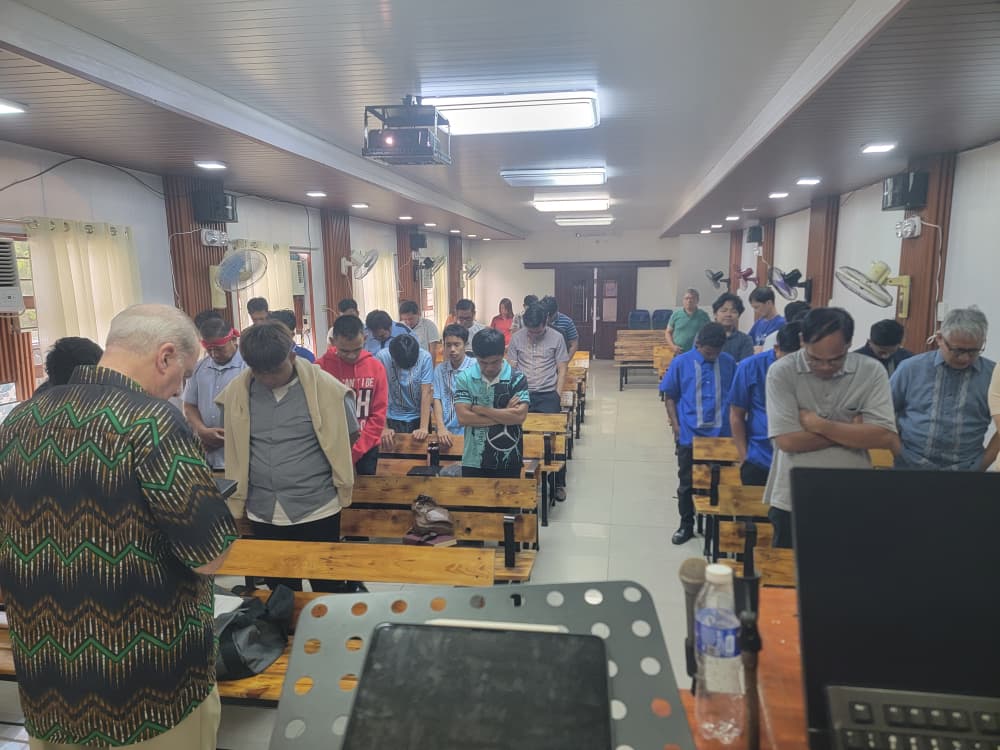
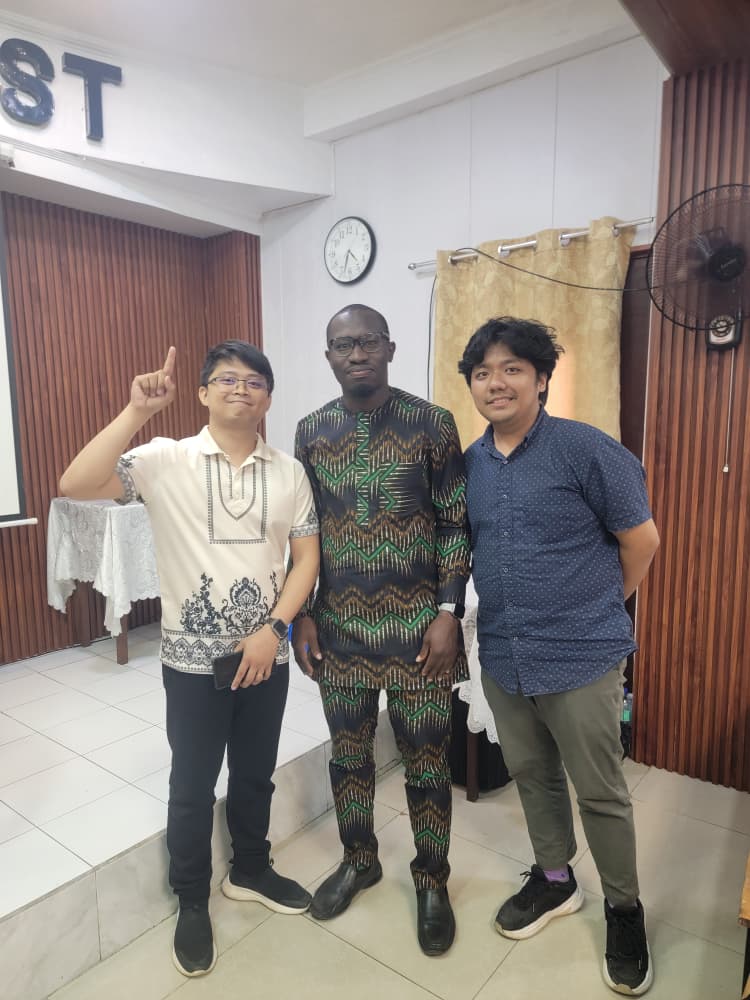
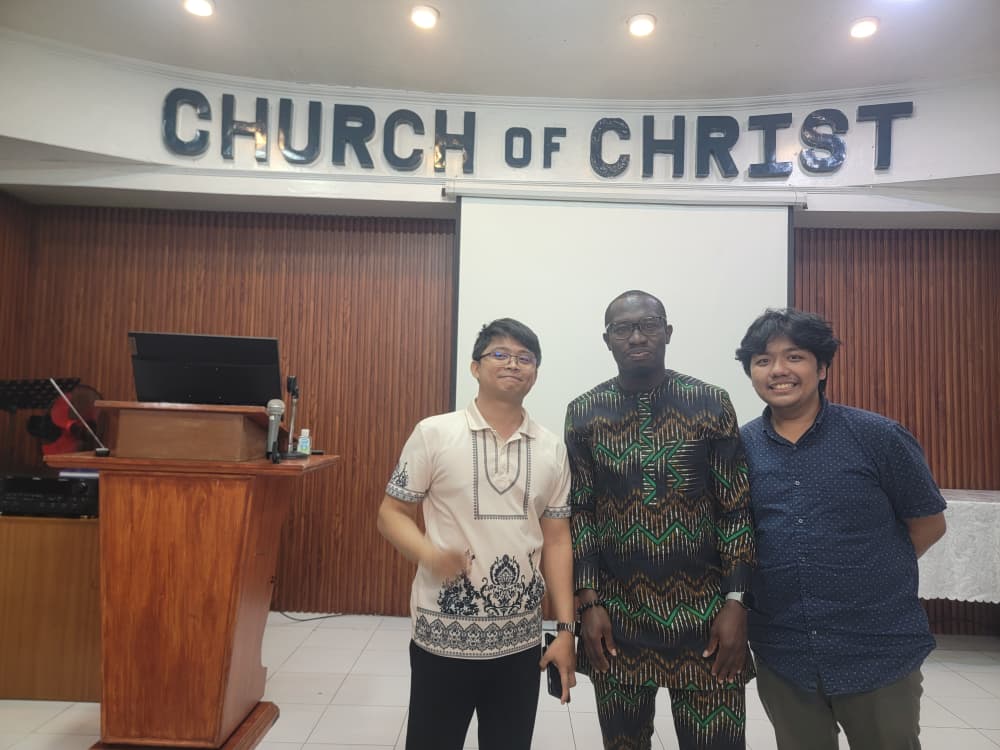
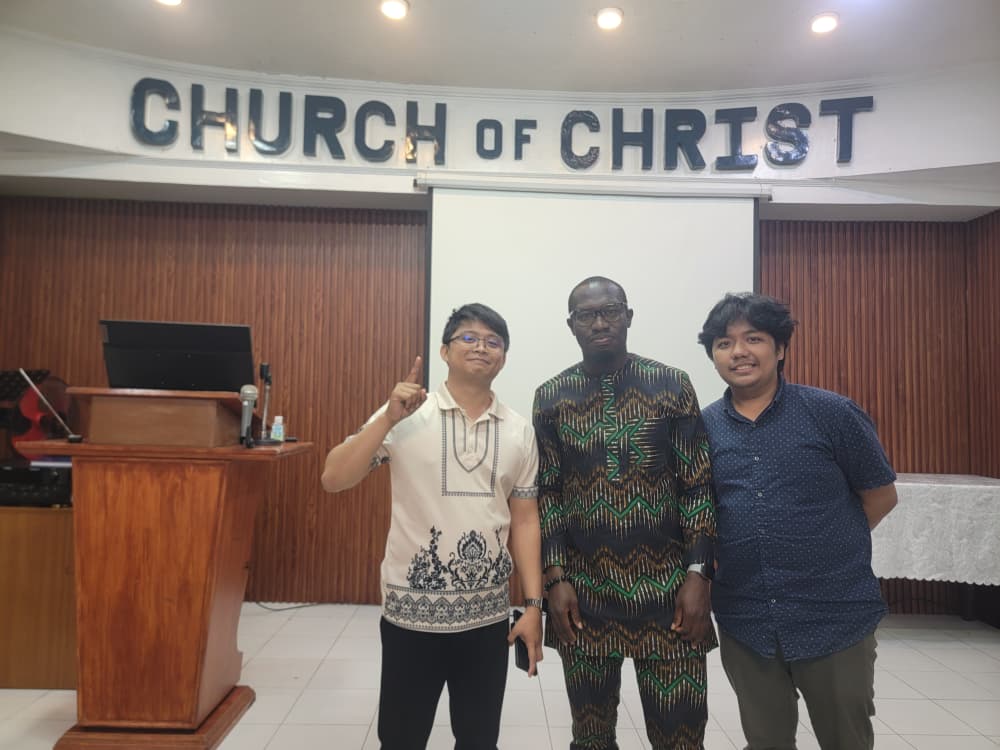
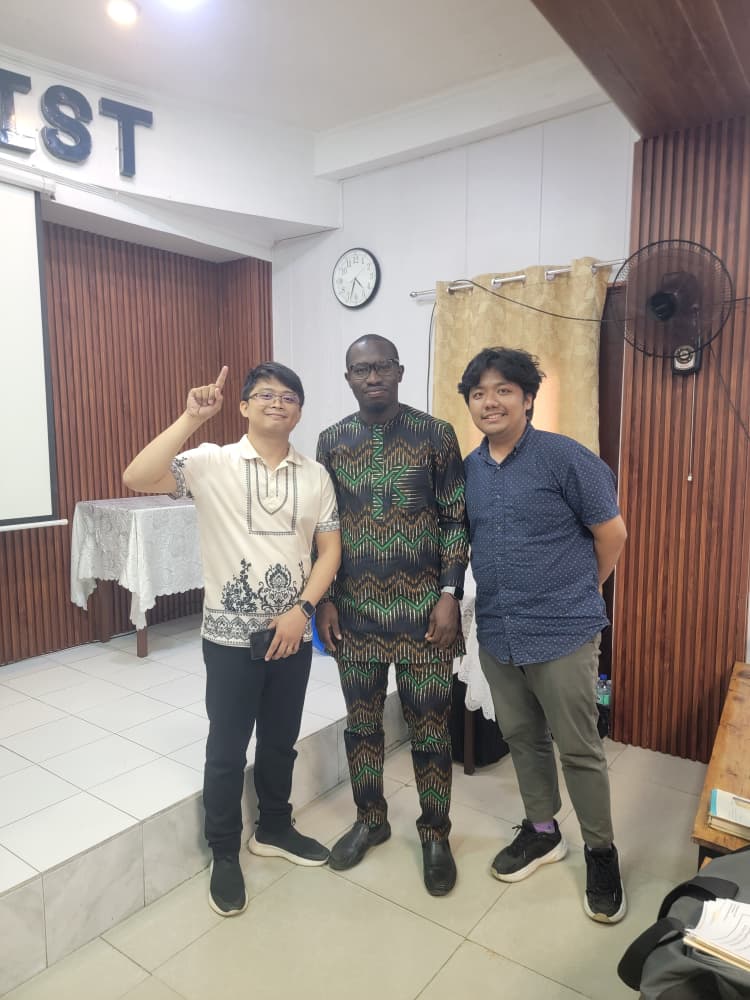
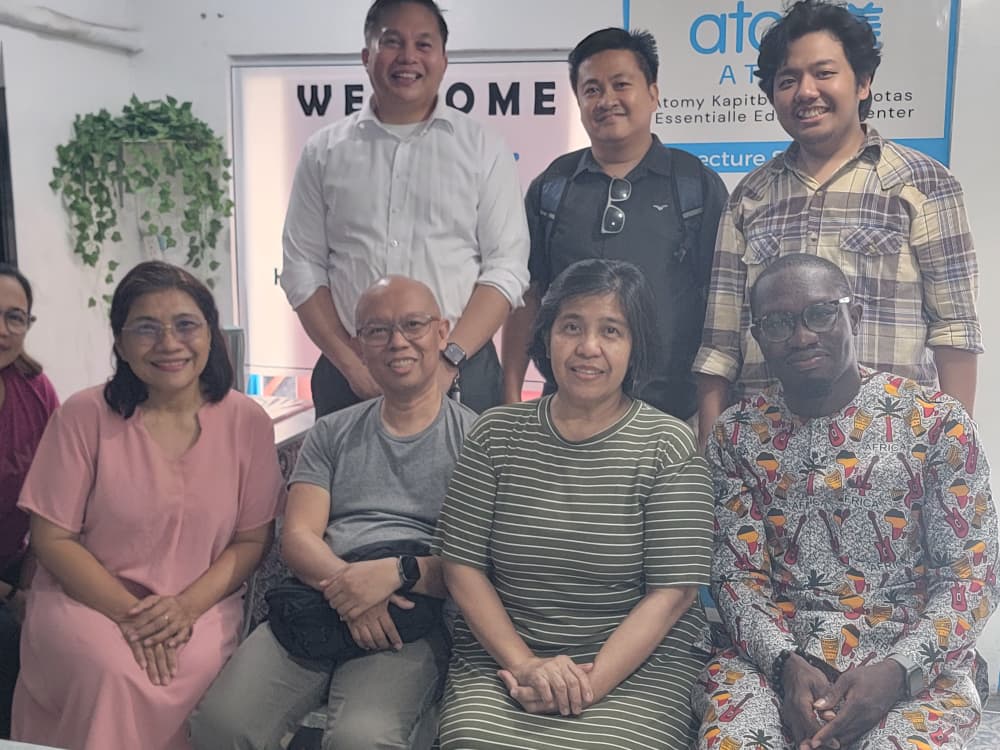
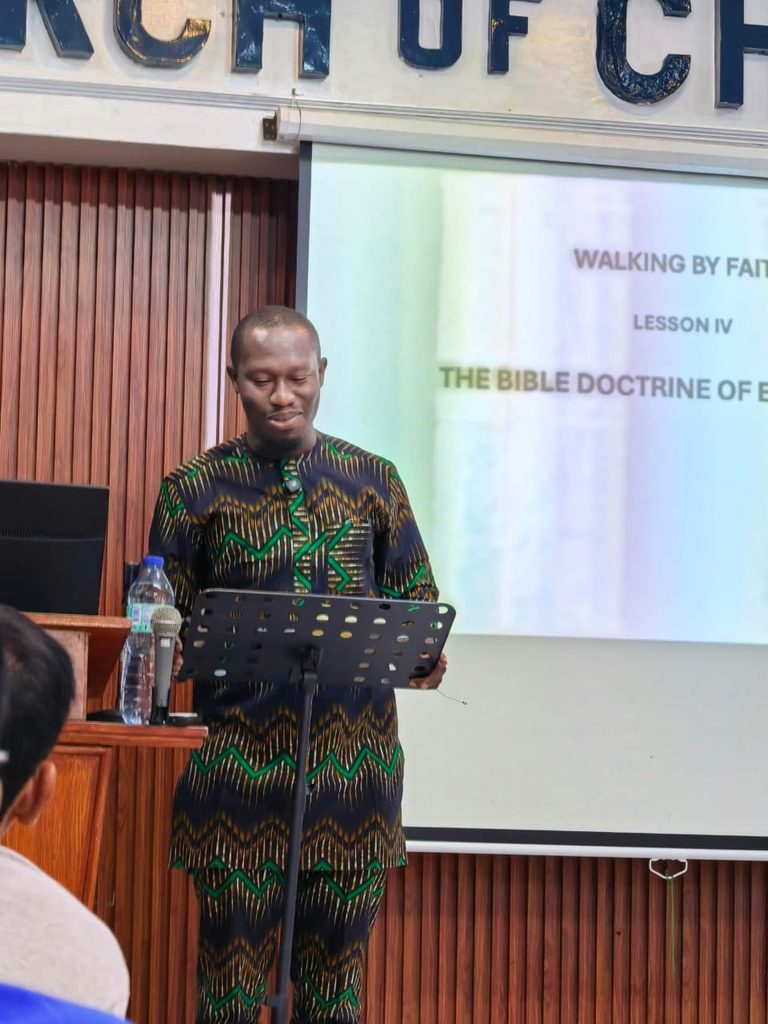
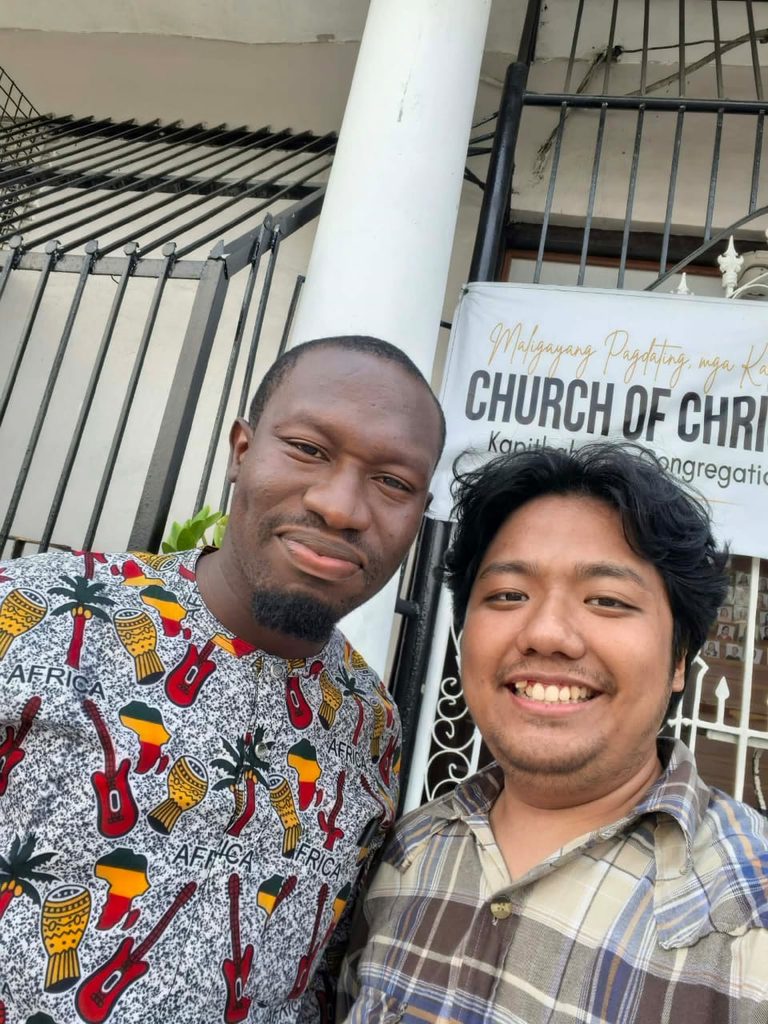
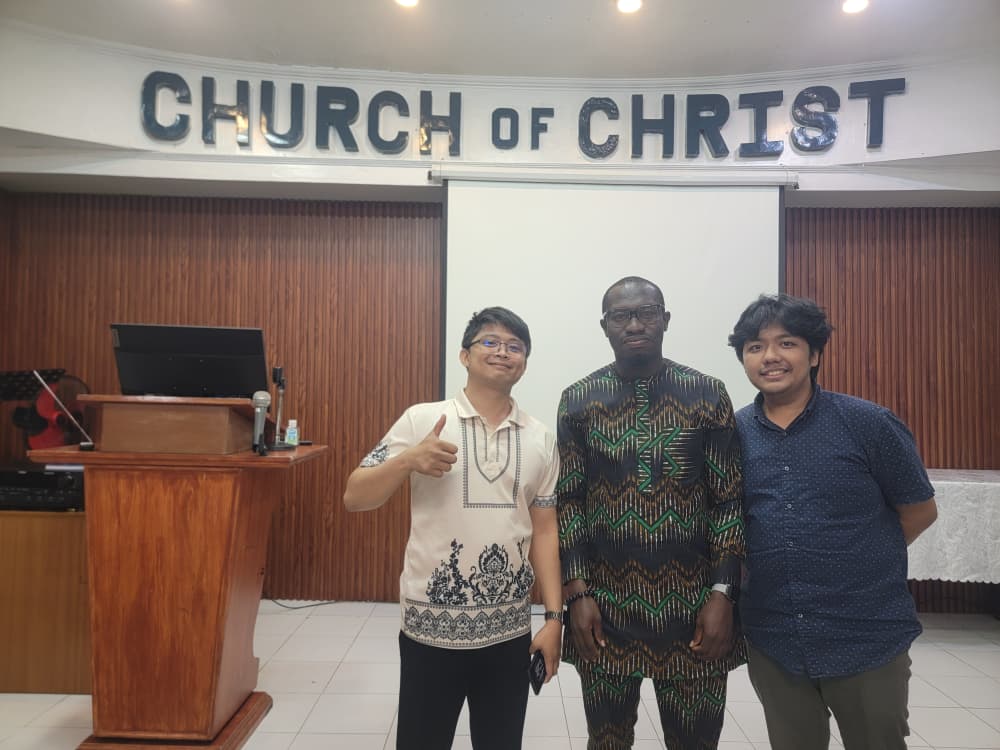
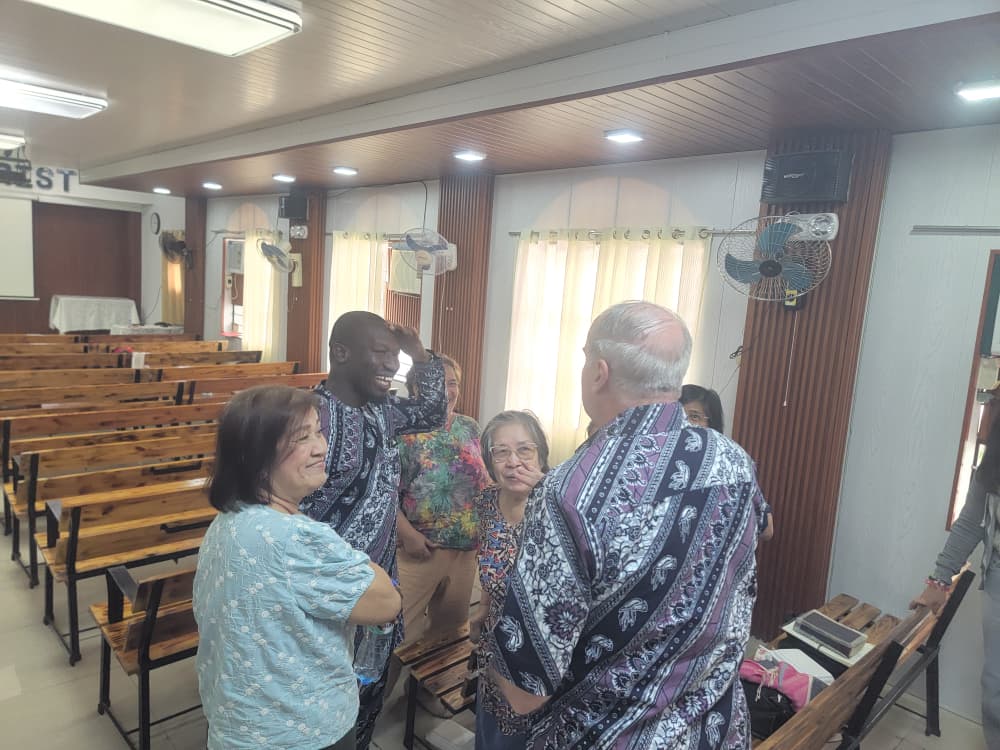
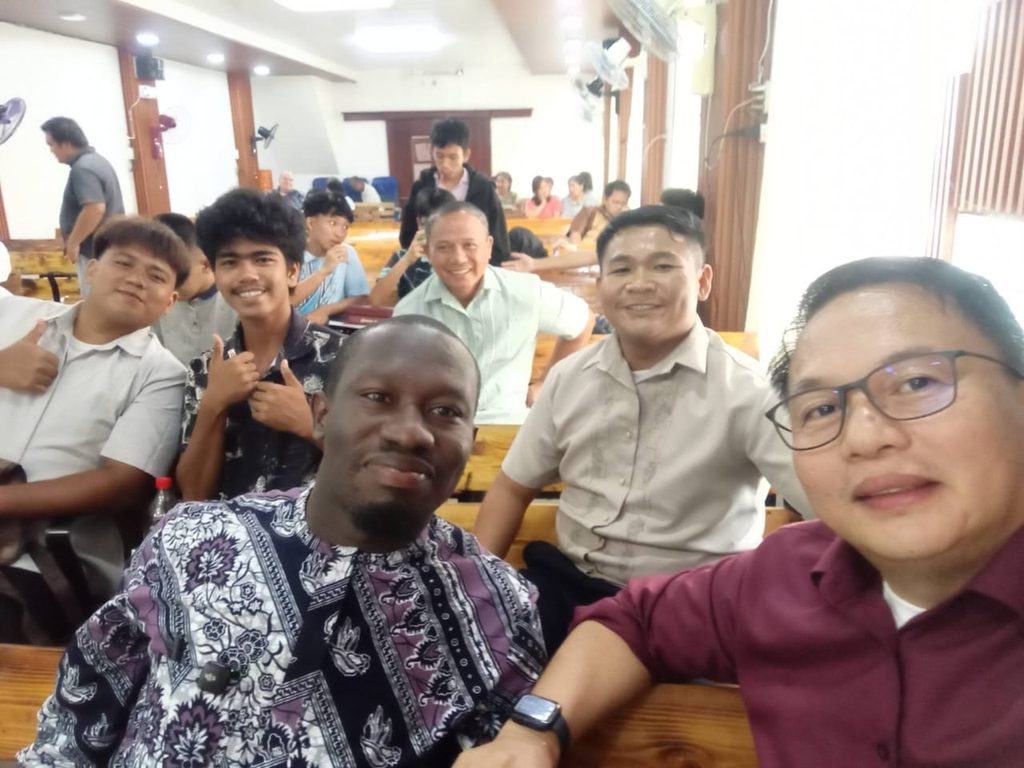
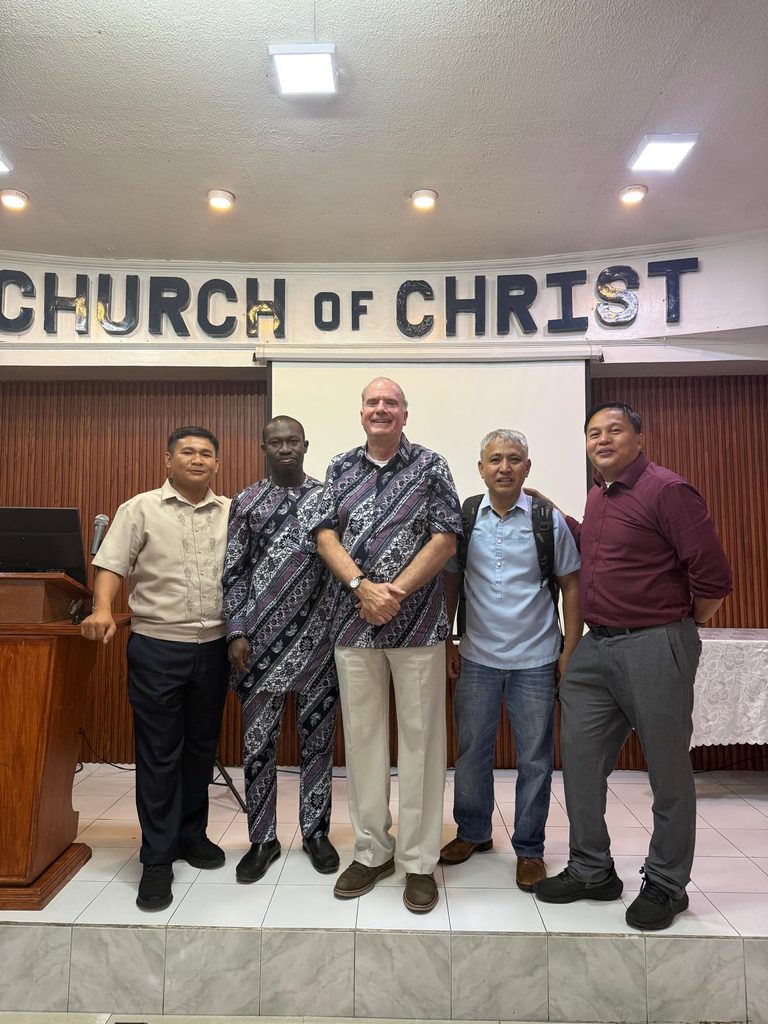
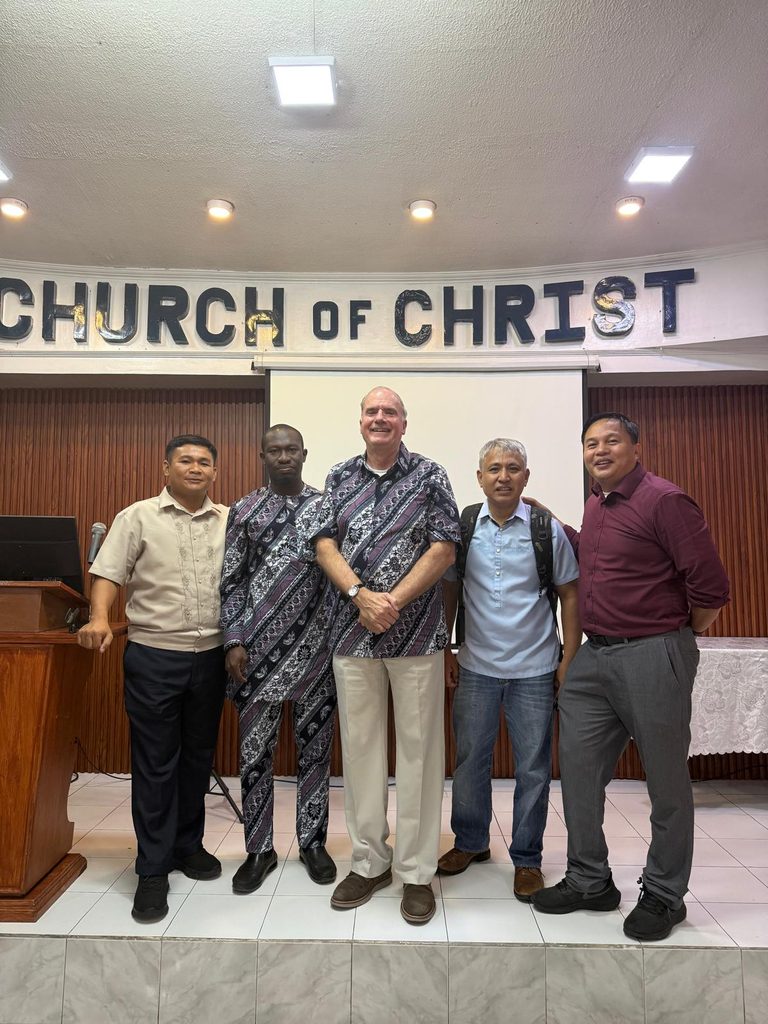
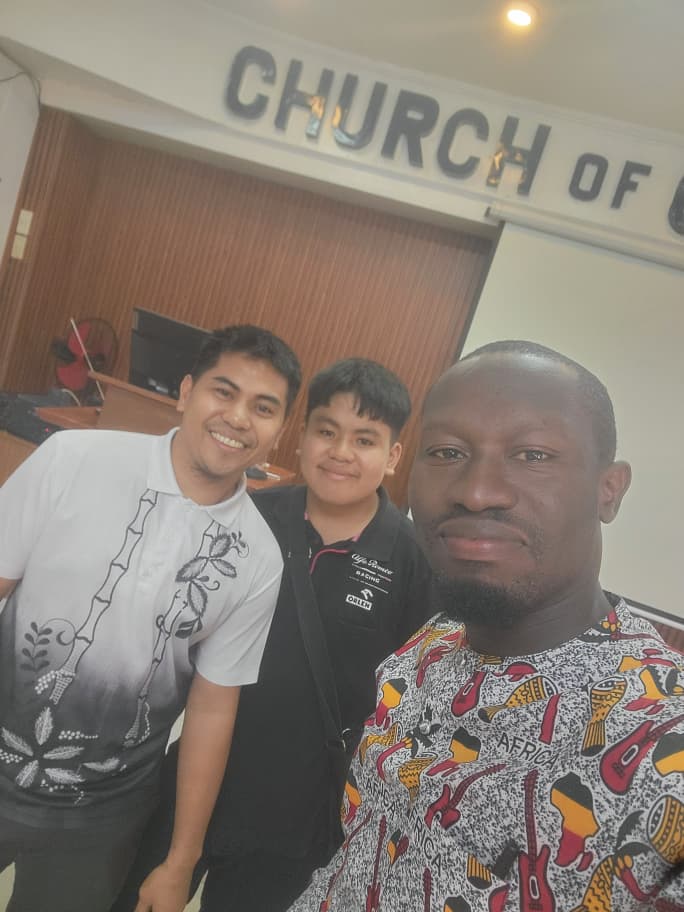
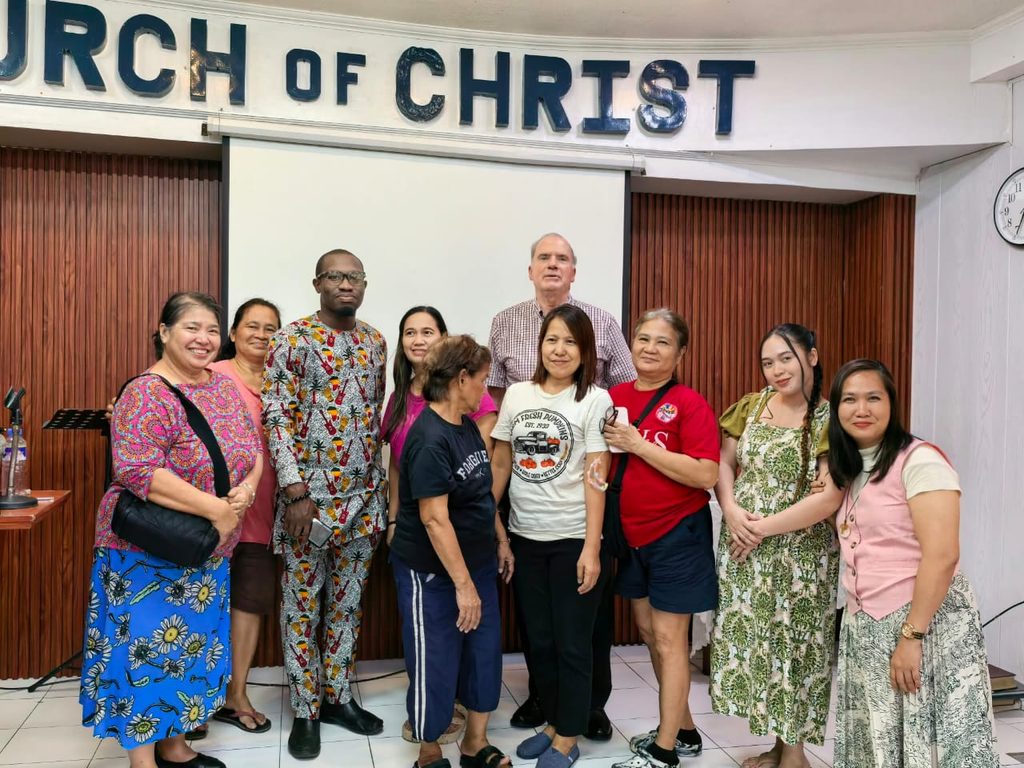
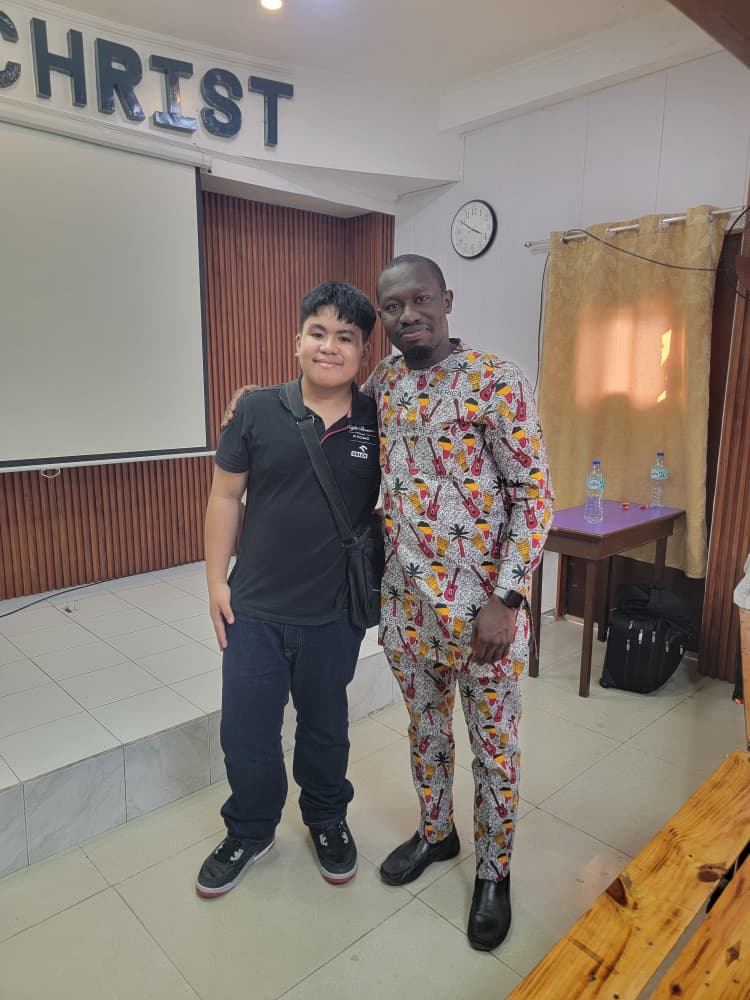
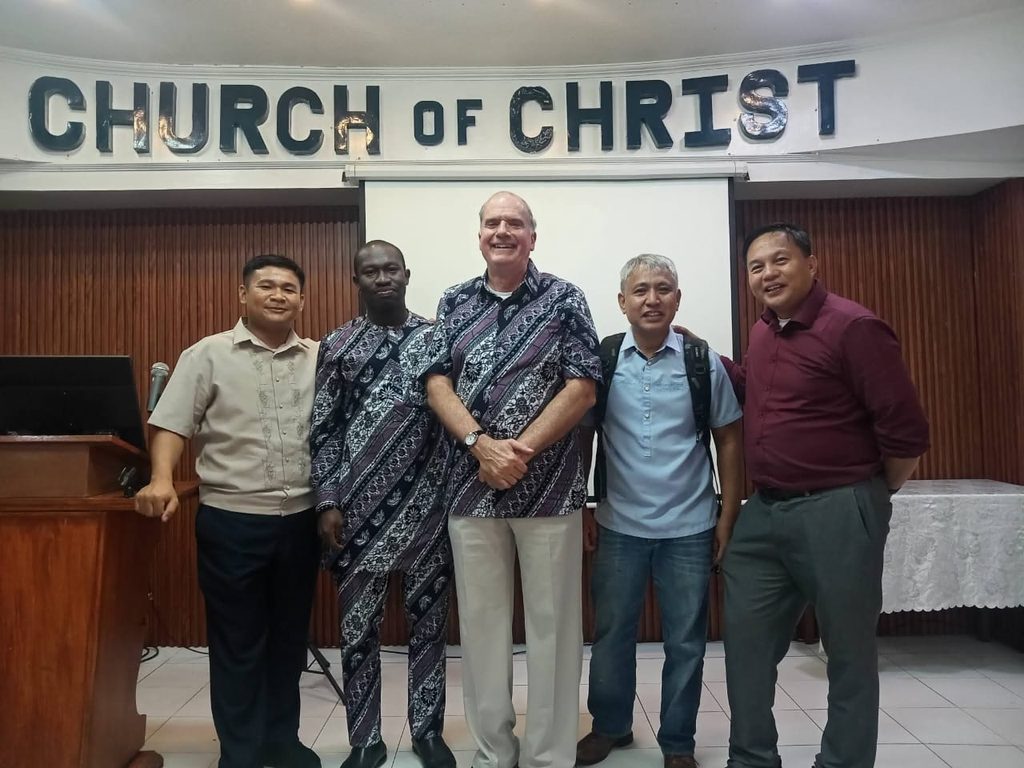
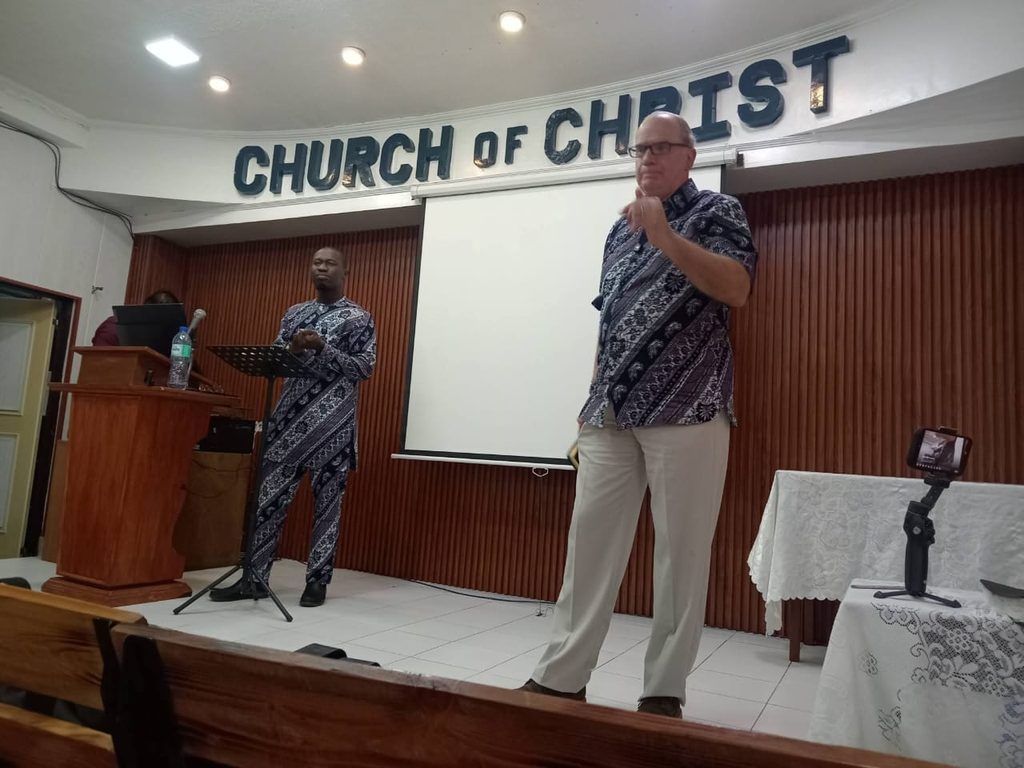
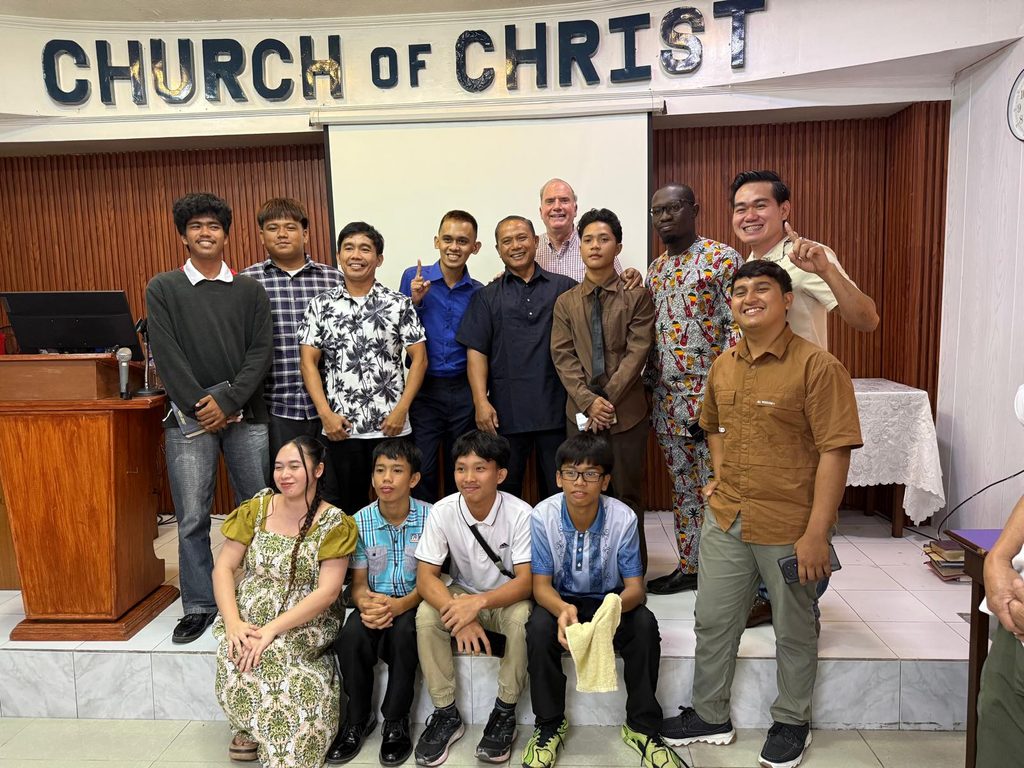
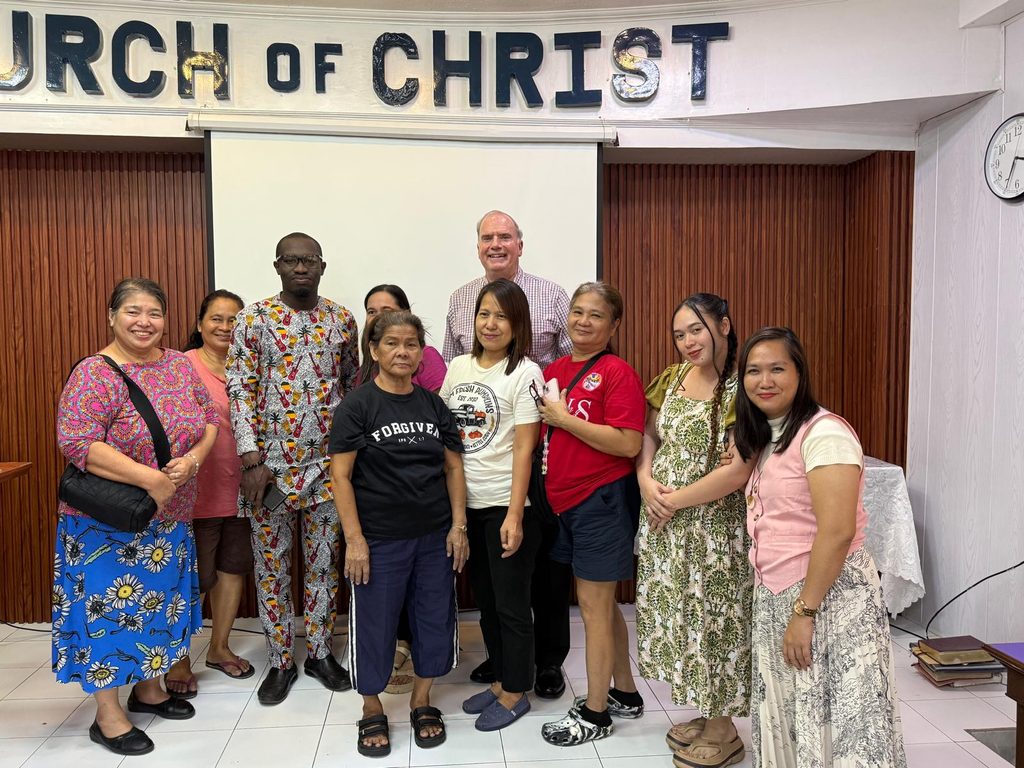
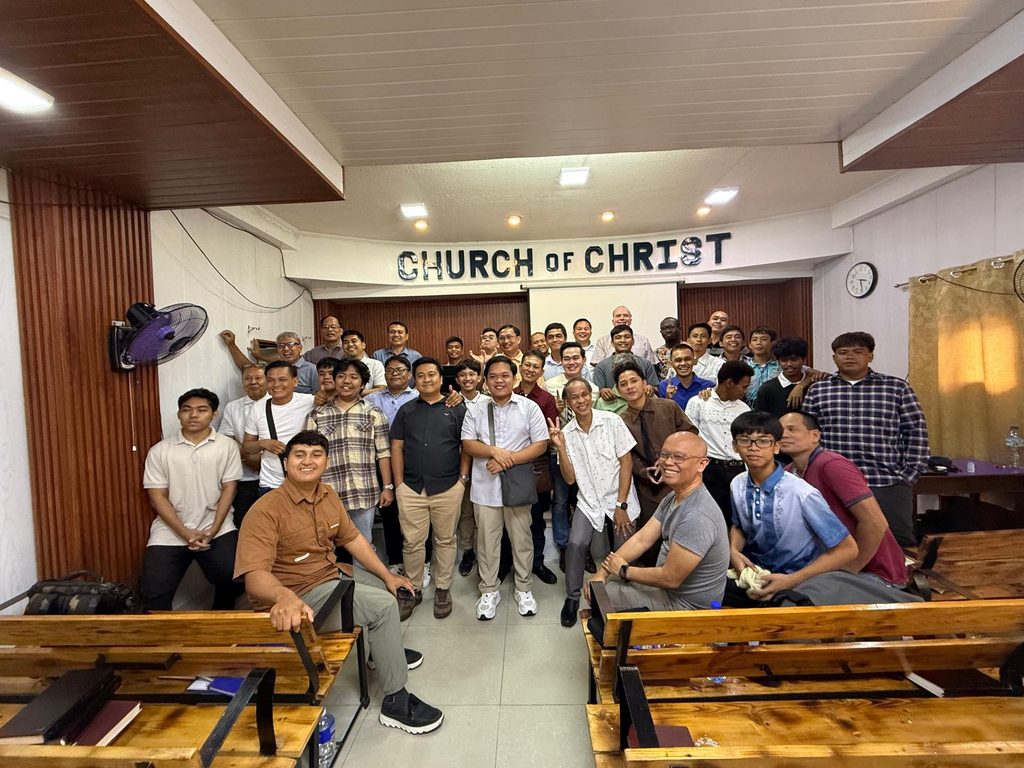
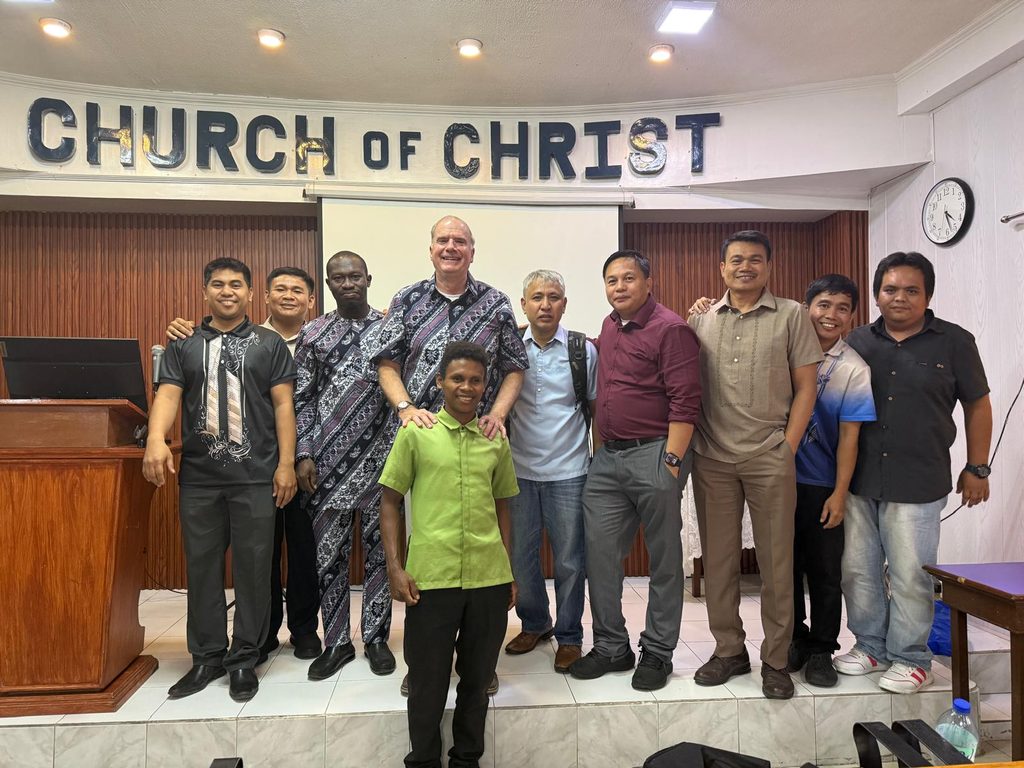
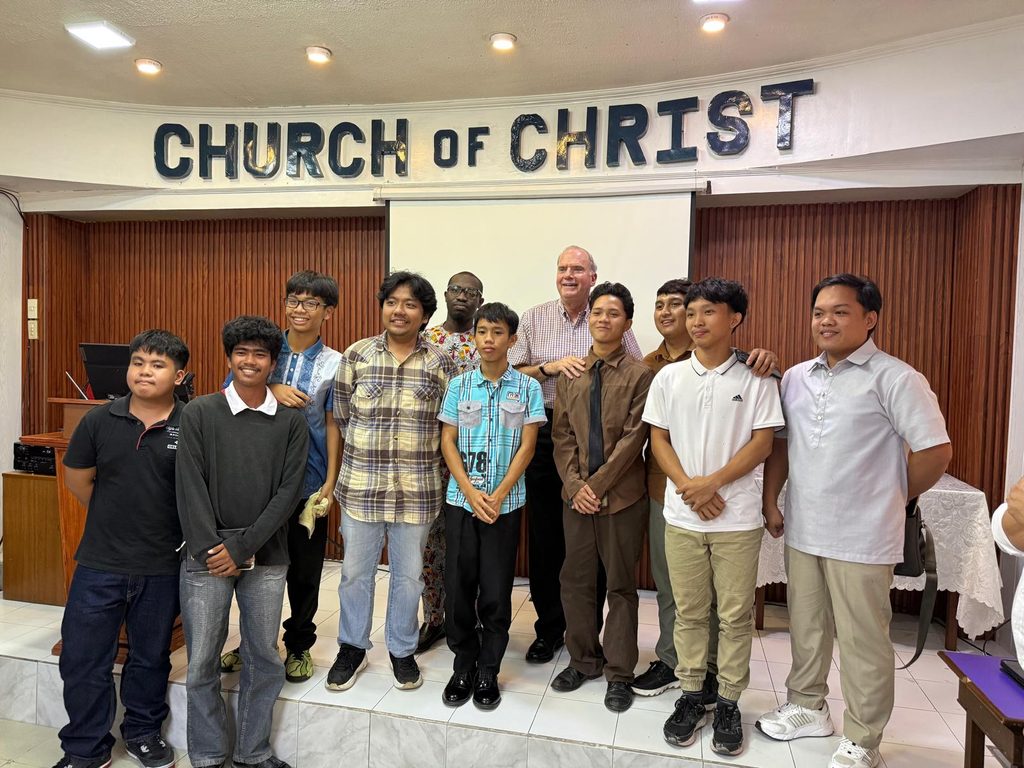
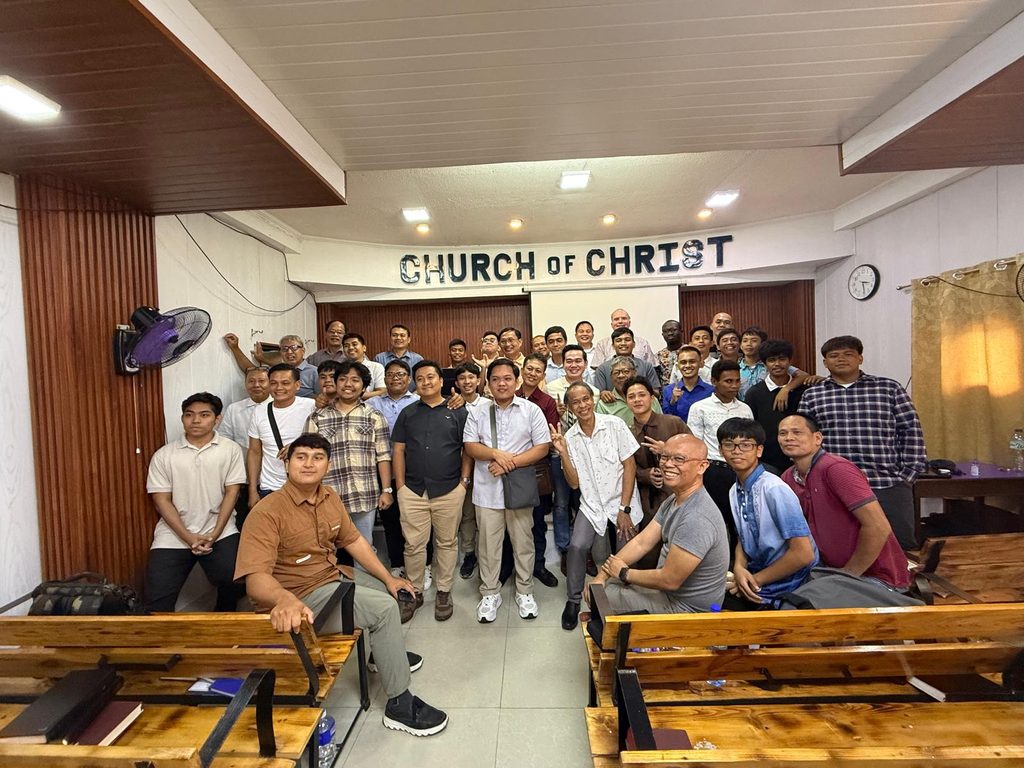
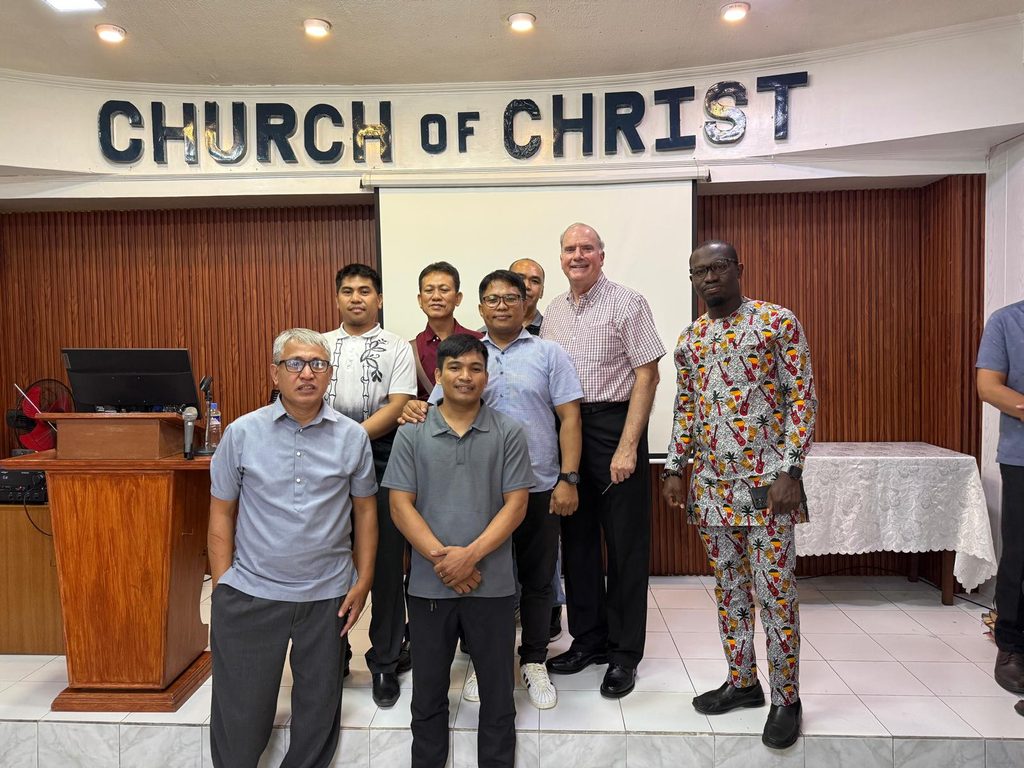
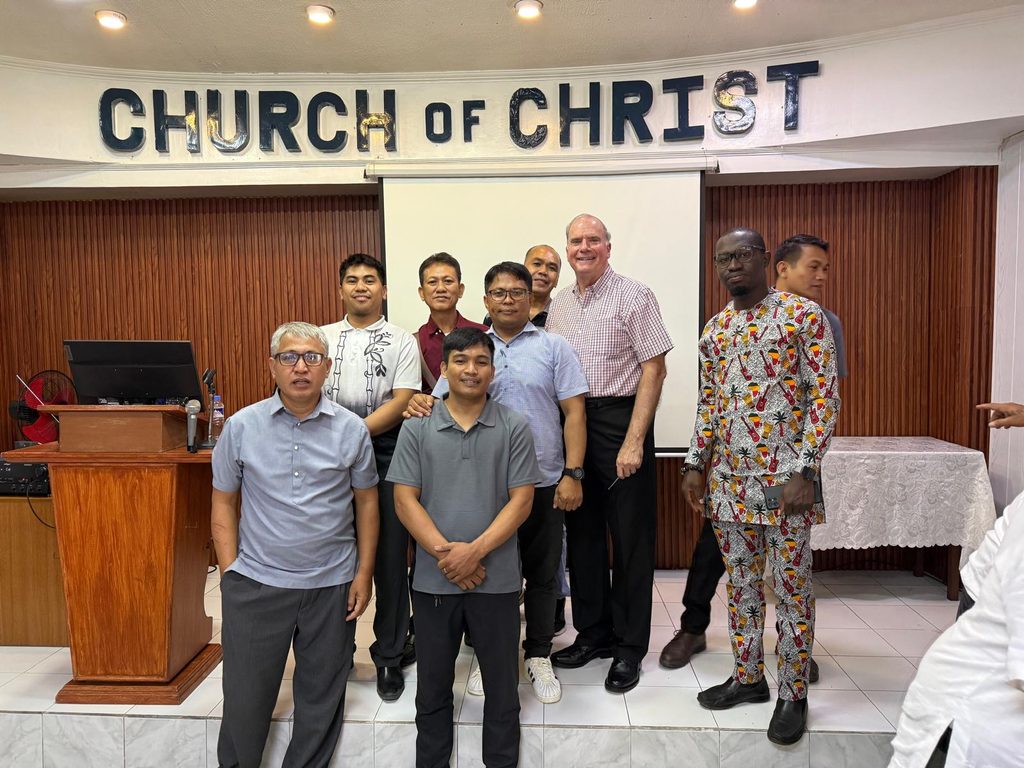
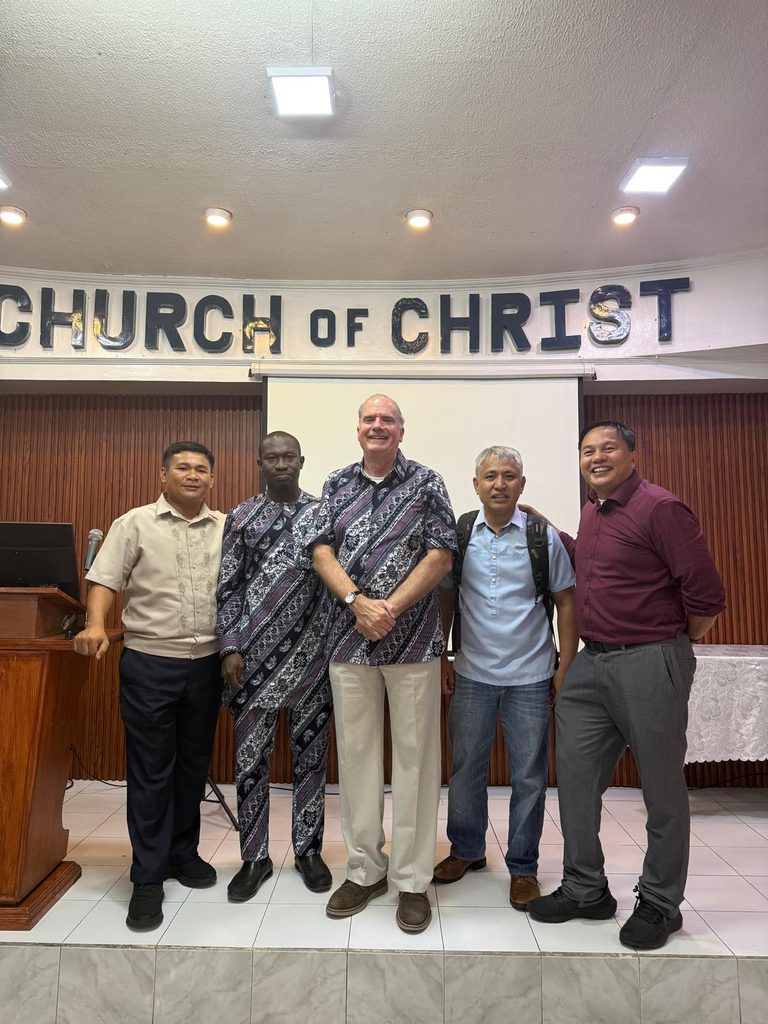
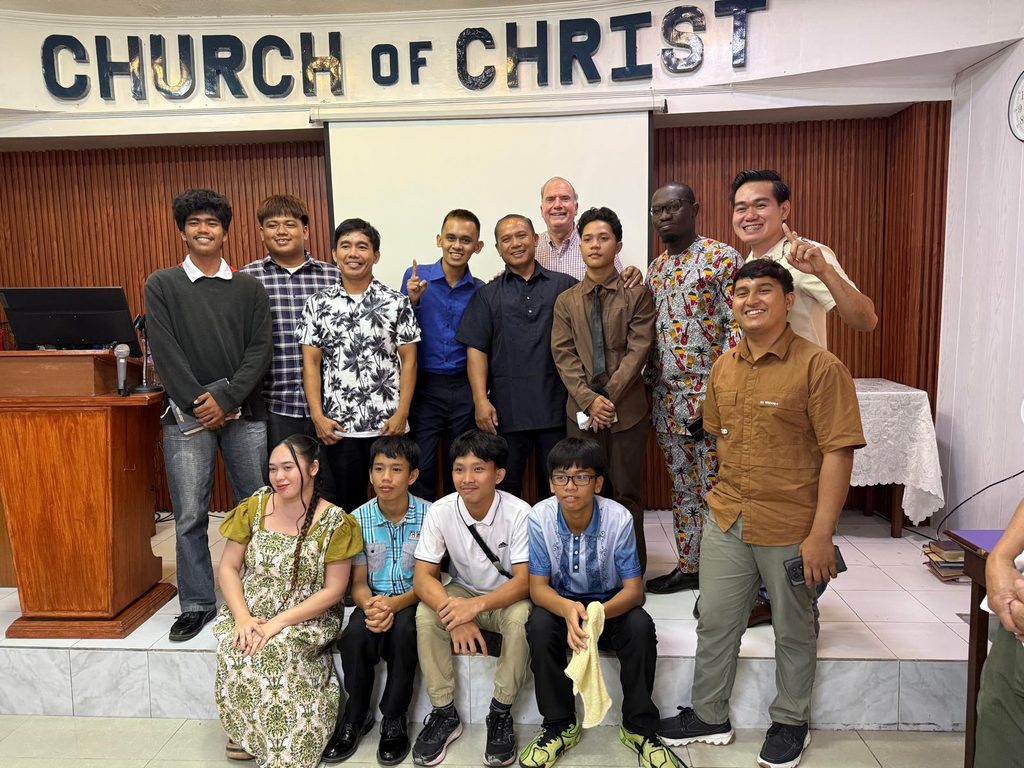
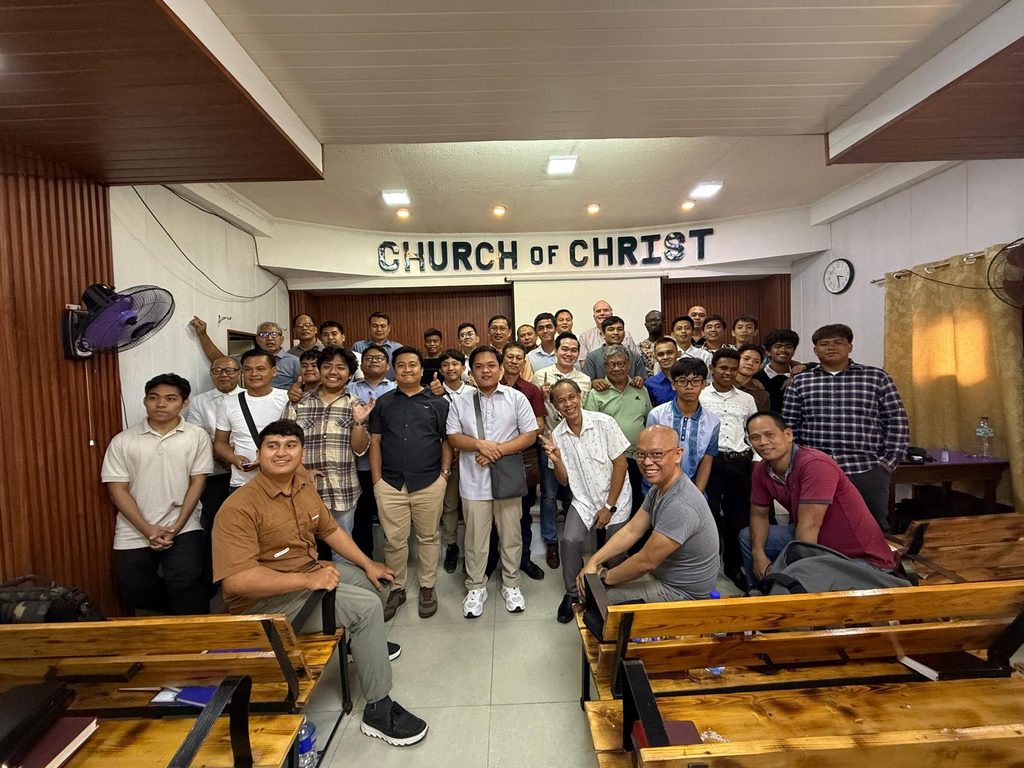
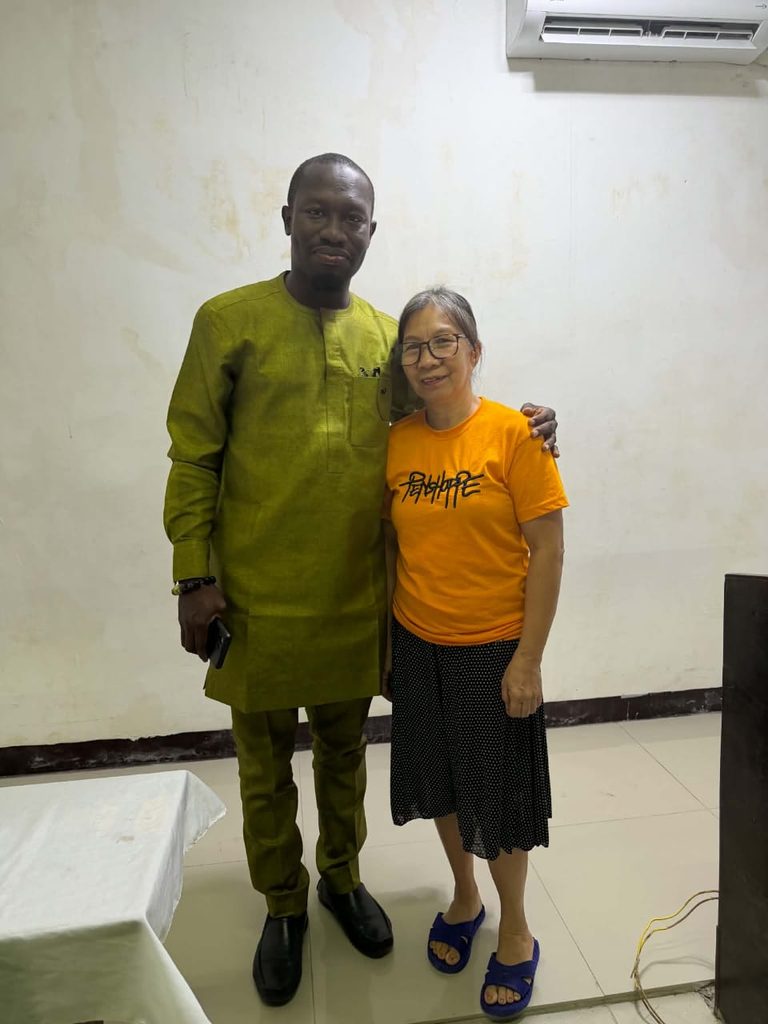
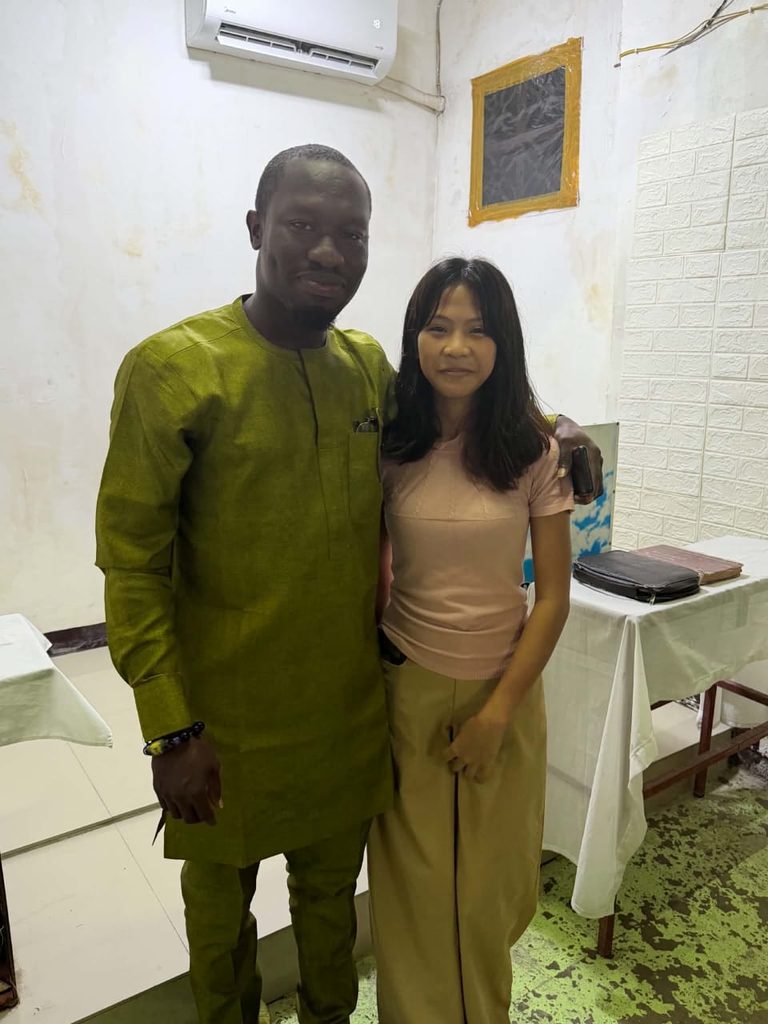
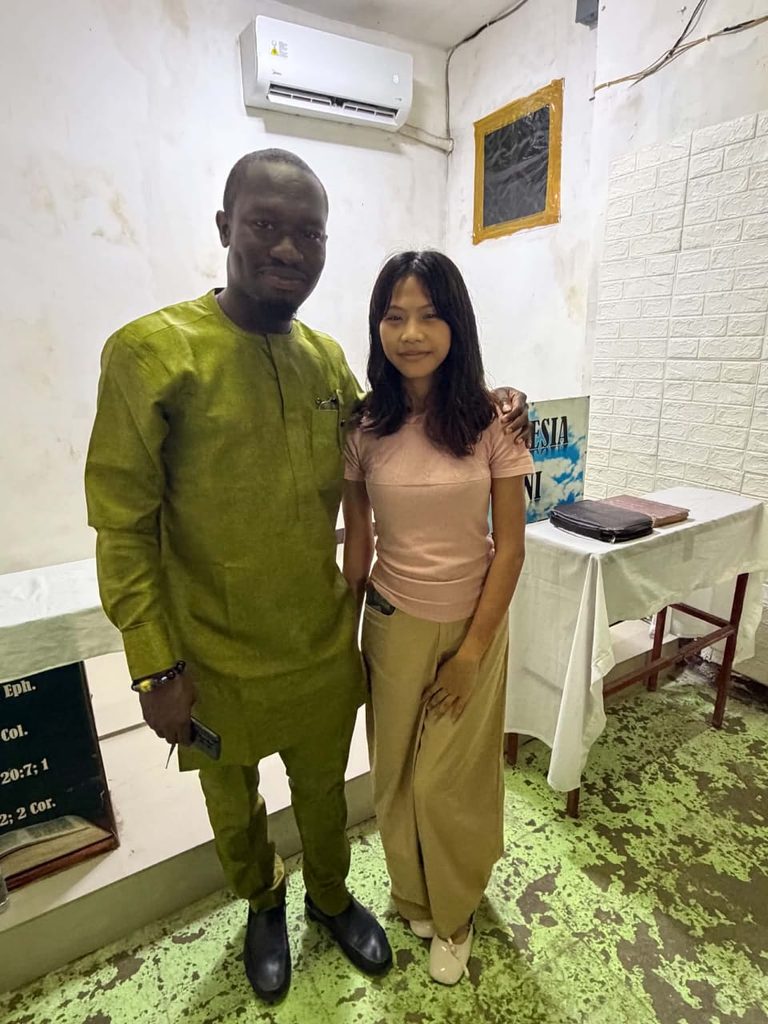
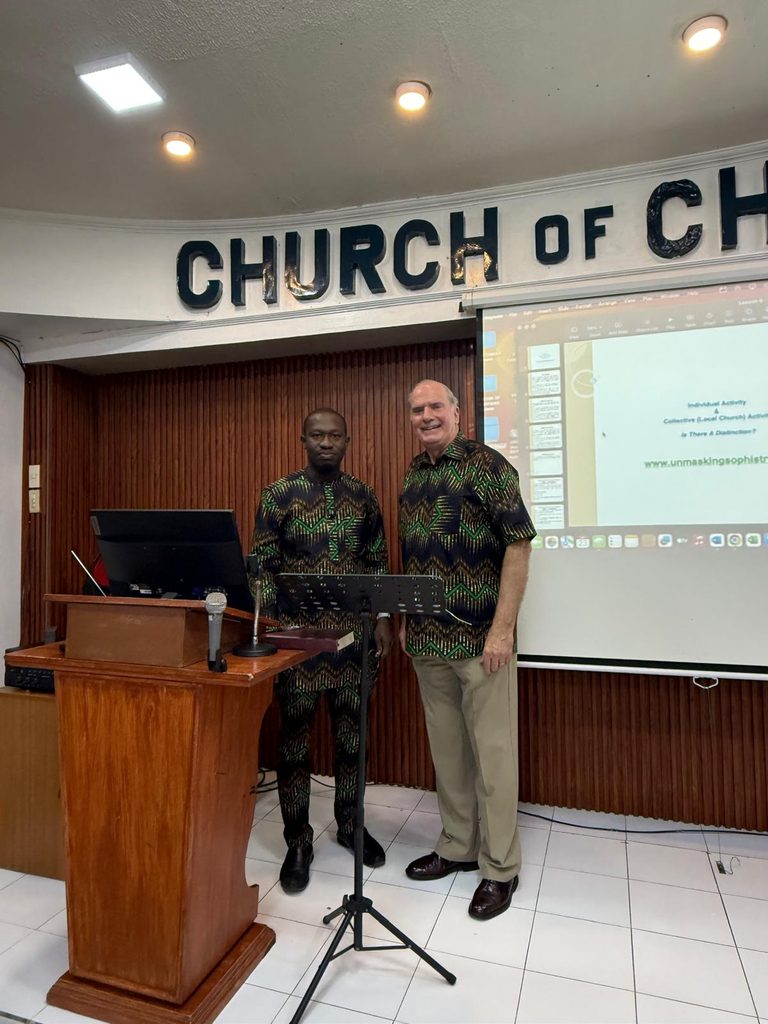
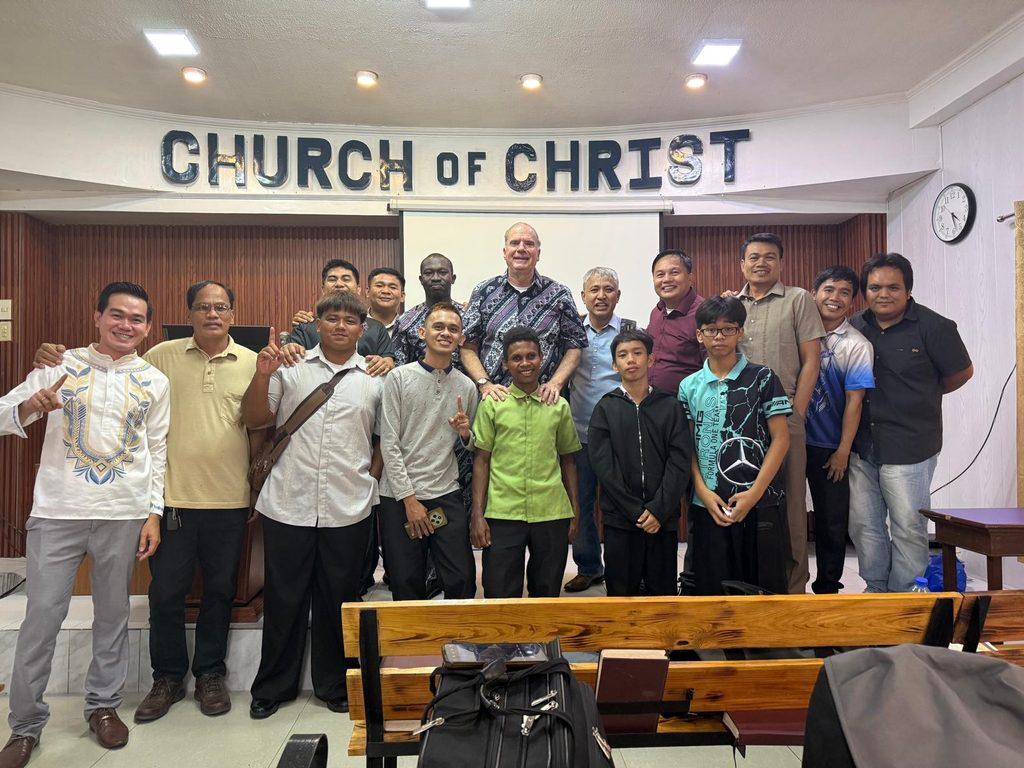
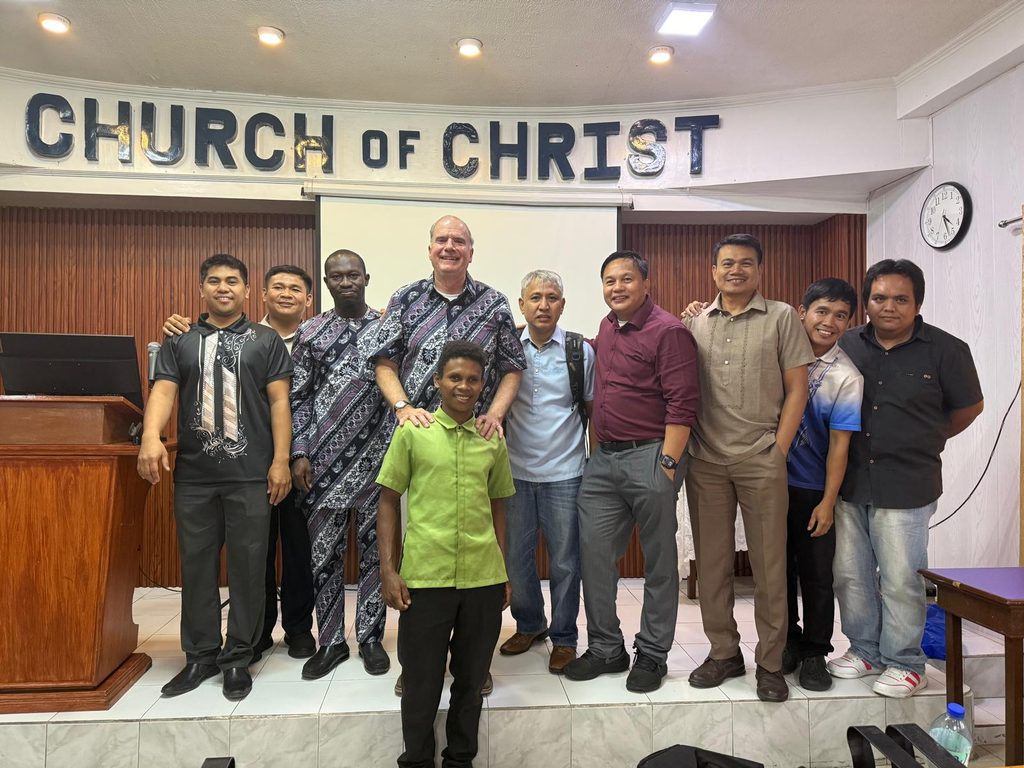
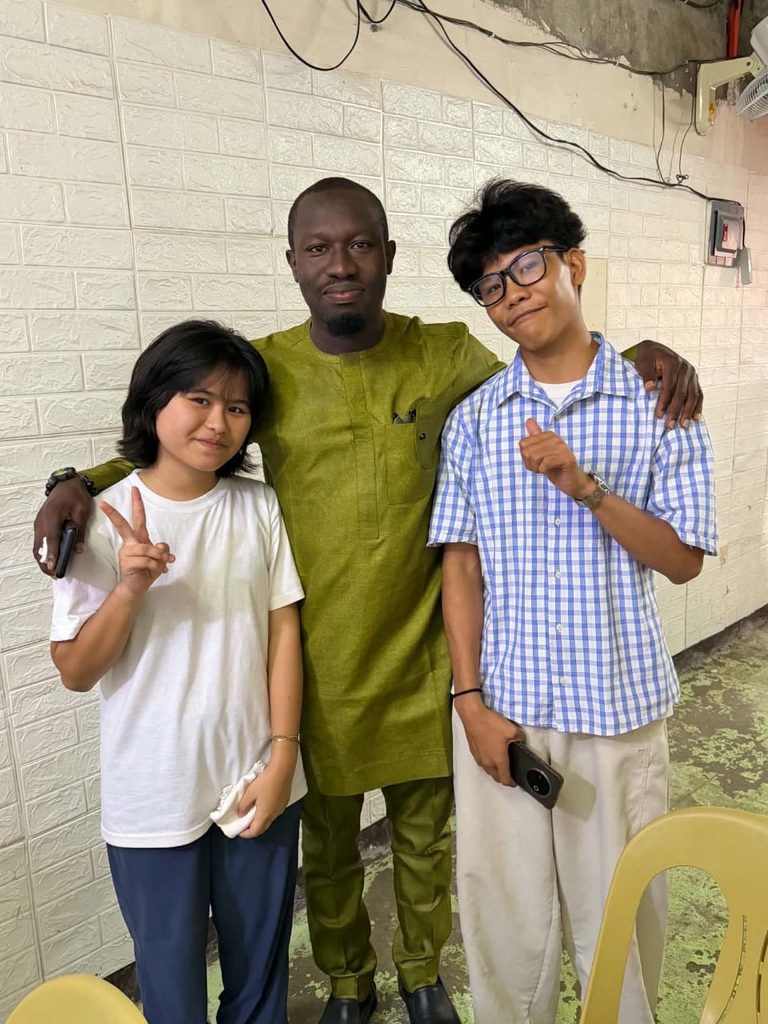
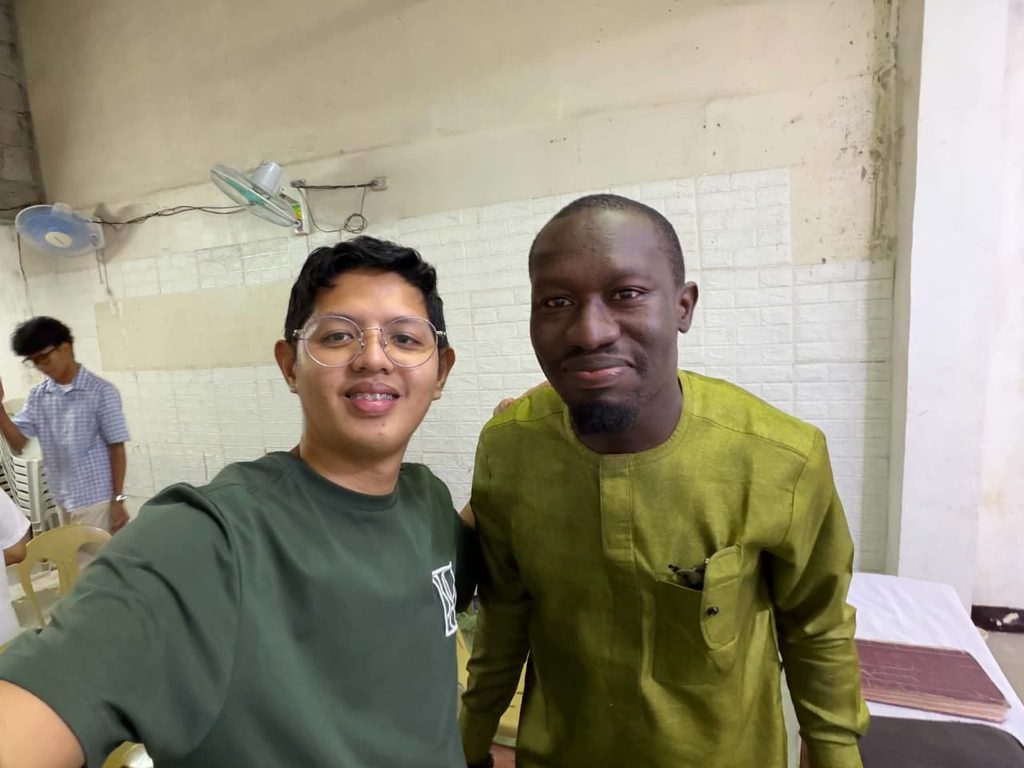
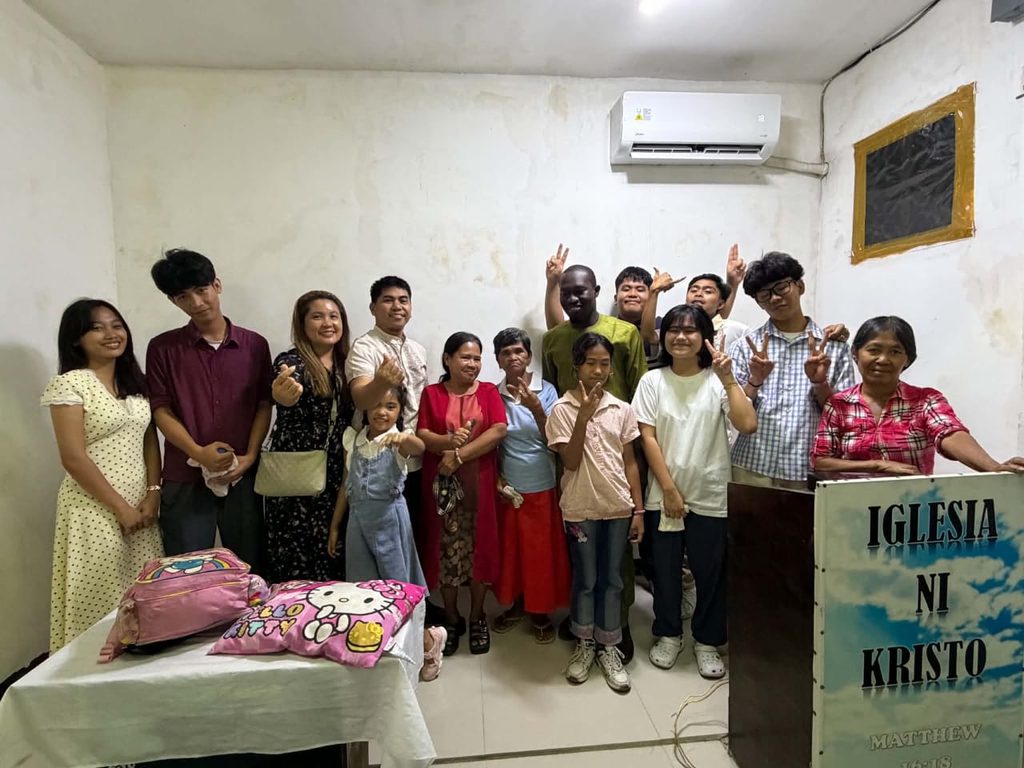
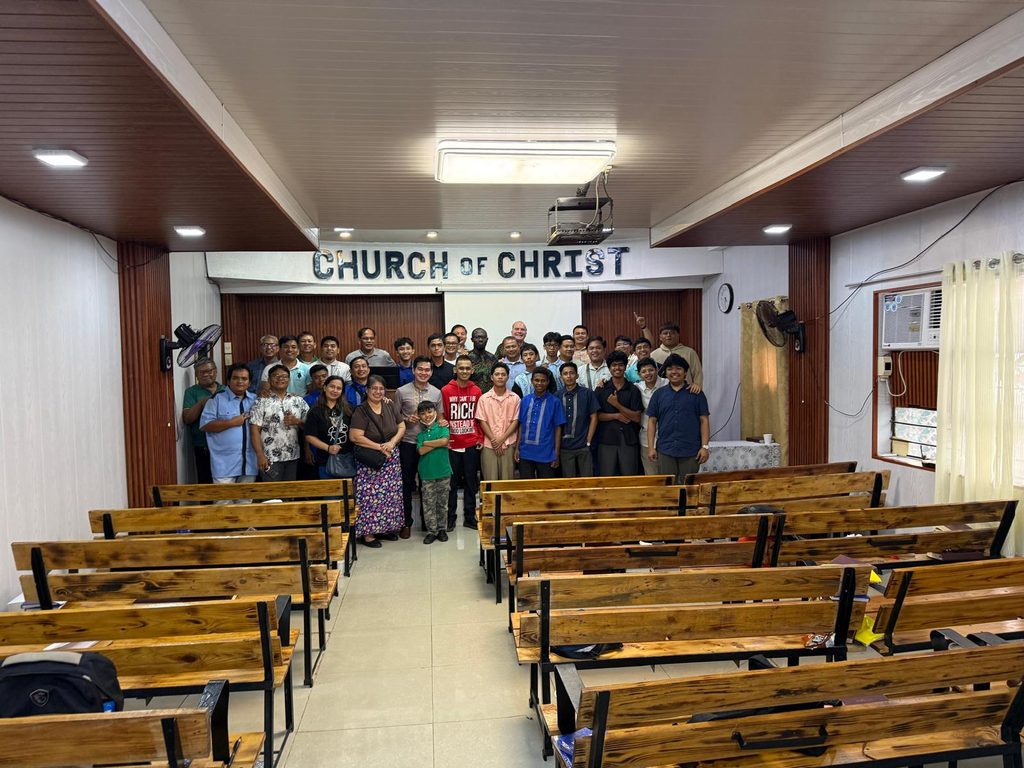
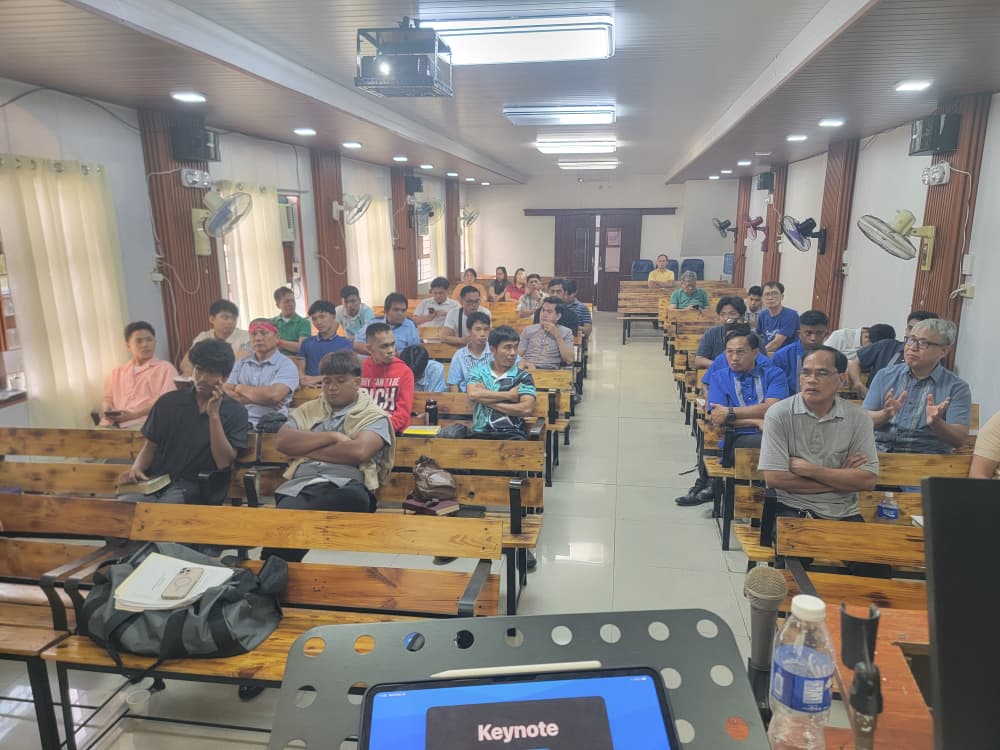
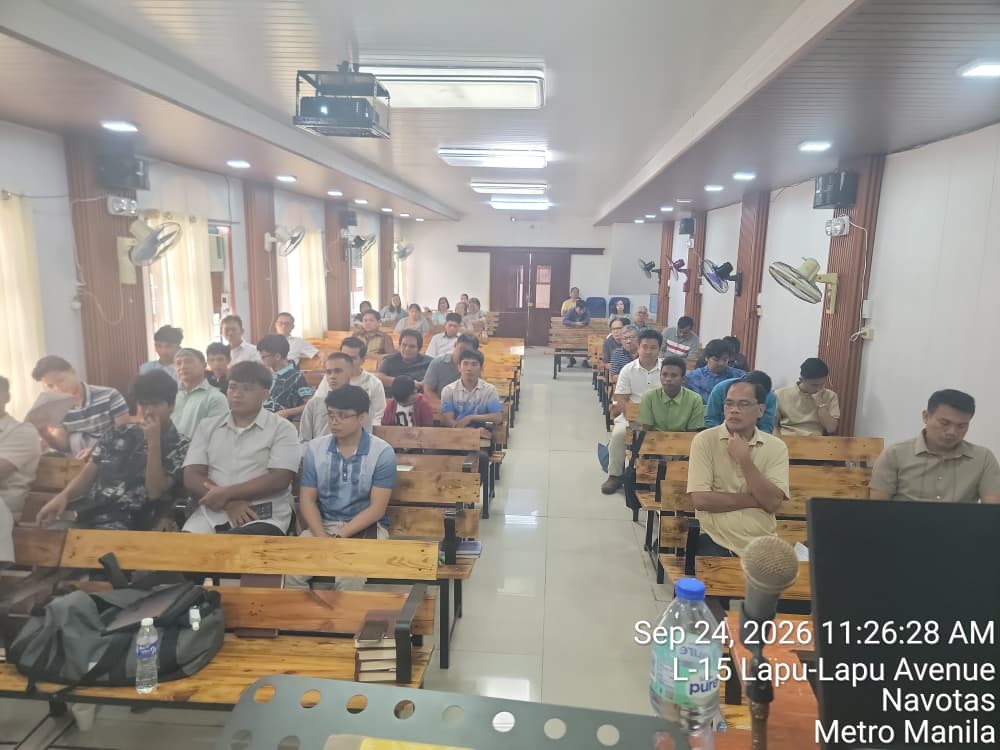
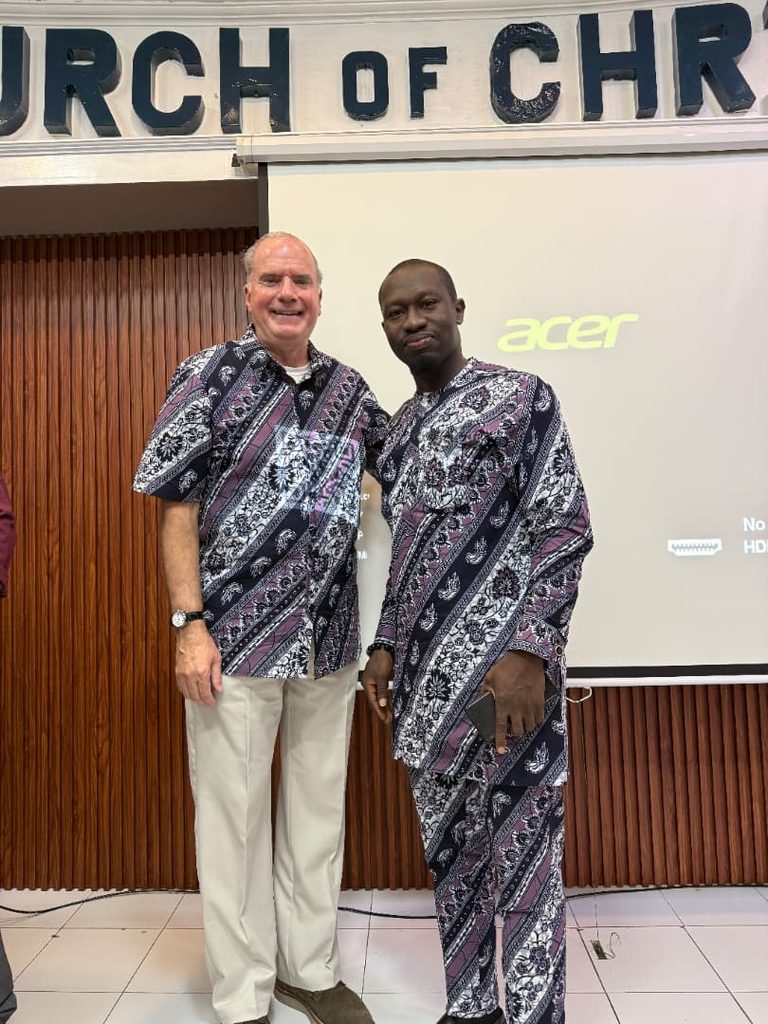
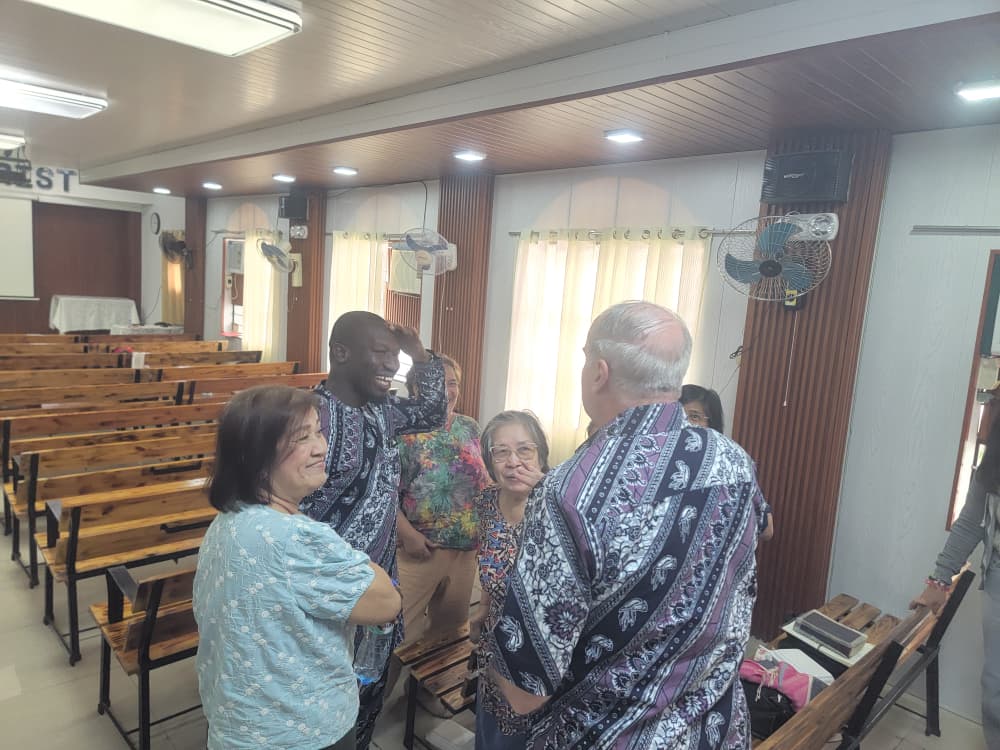
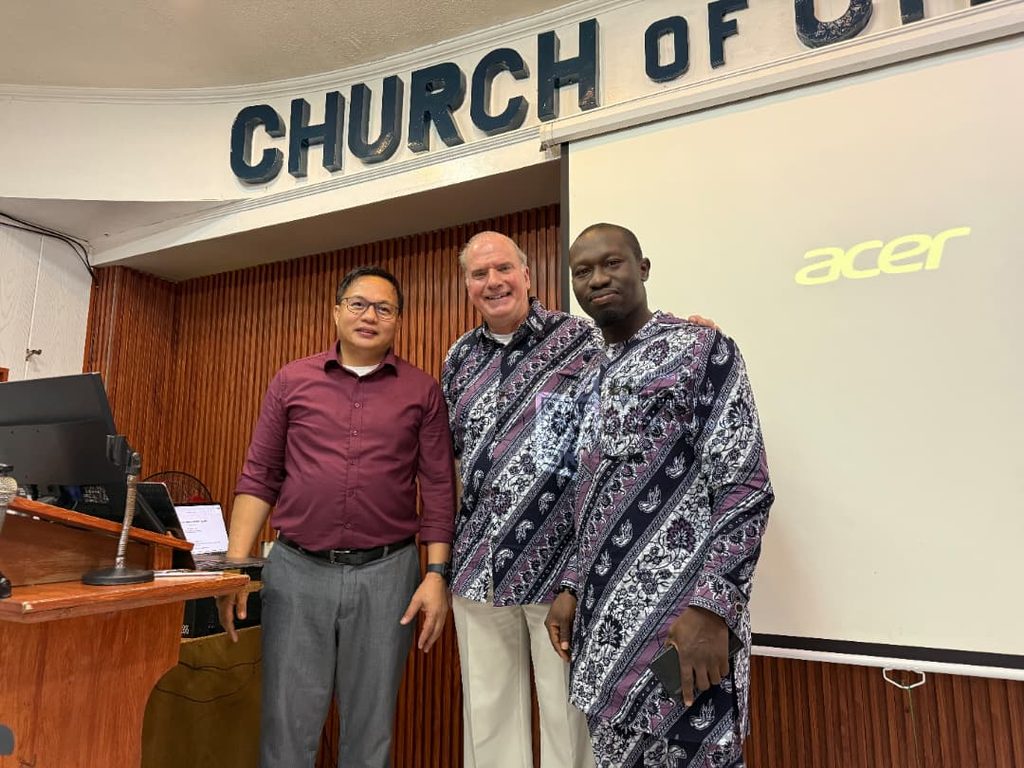
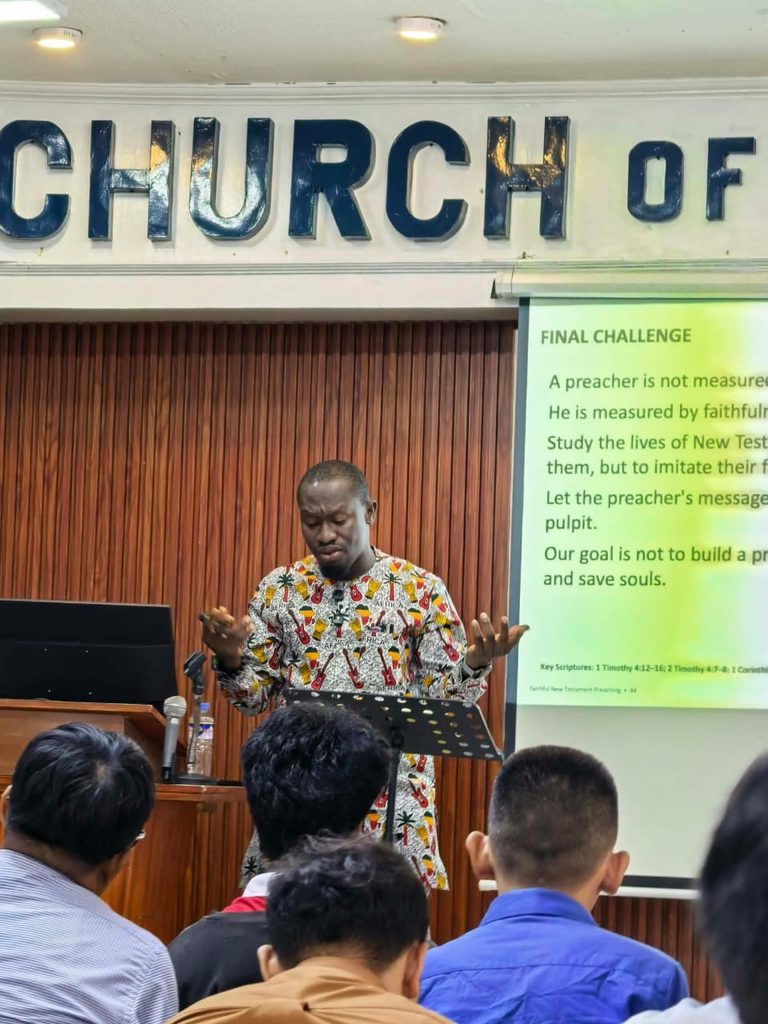
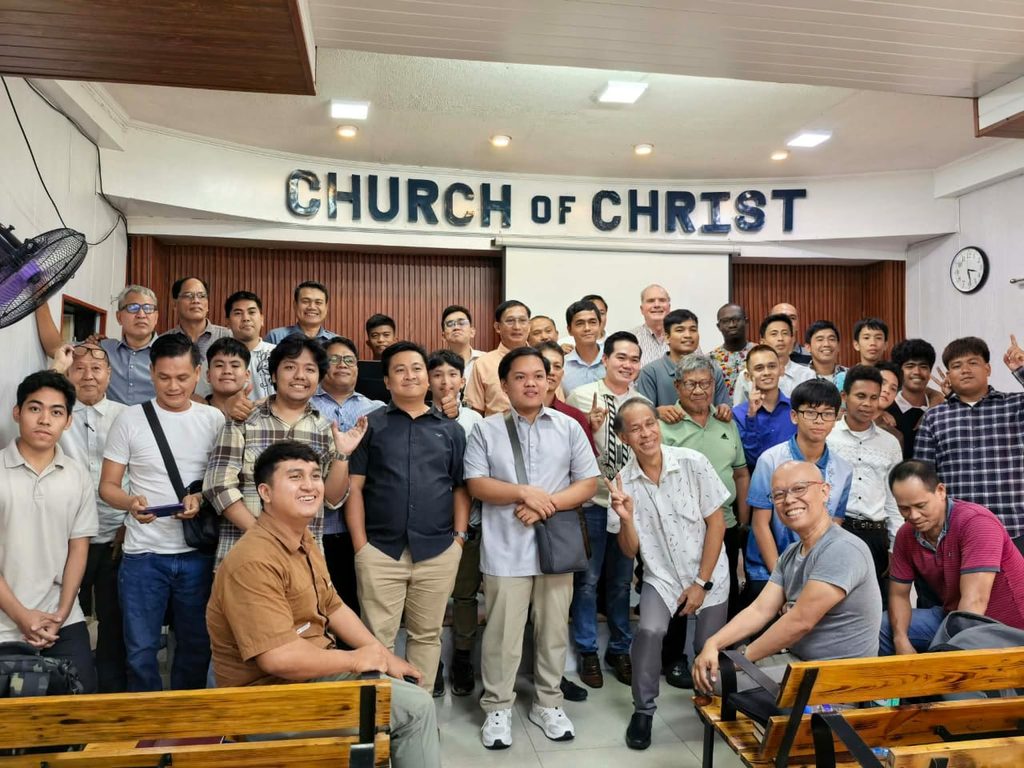
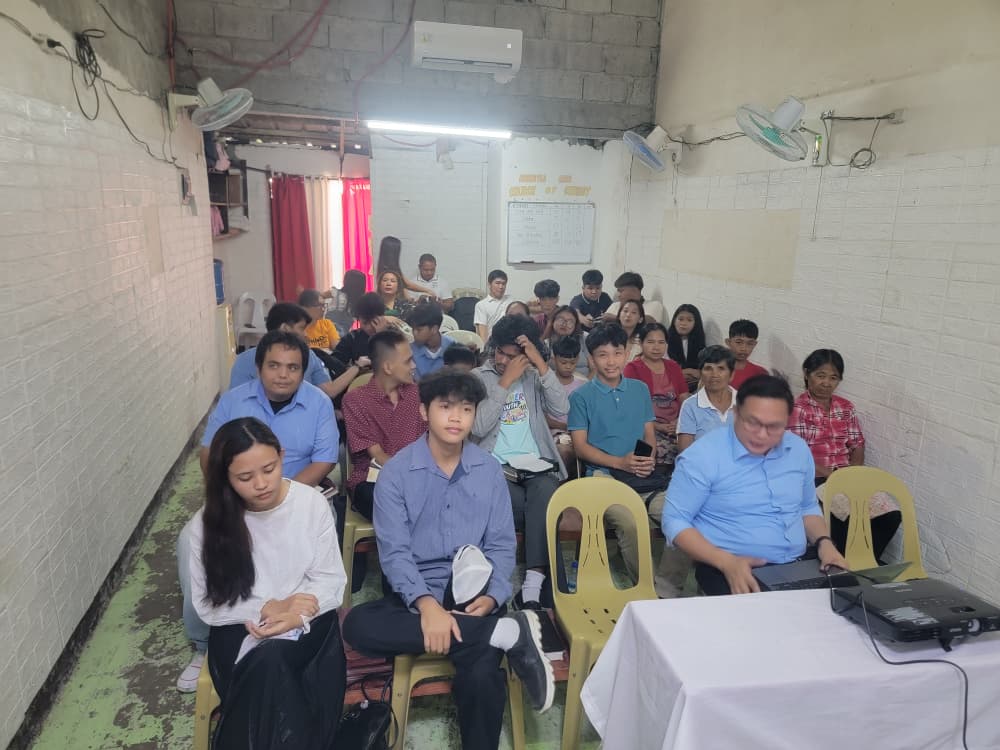
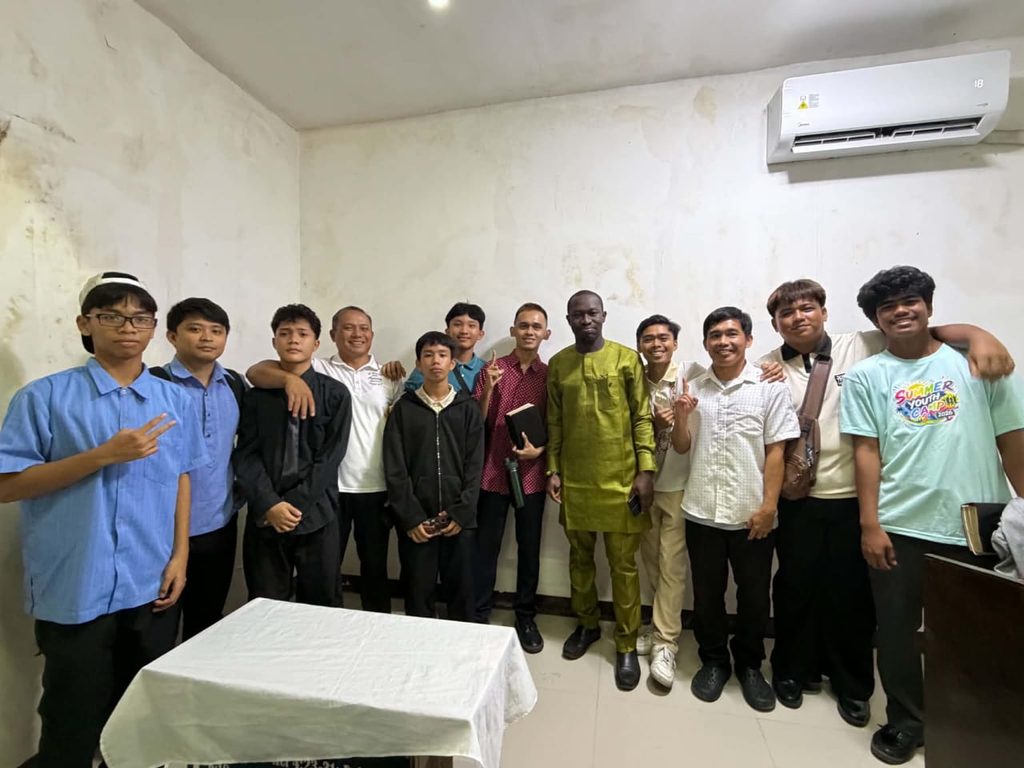
Our principal activity was a three-day men’s Bible lectureship organised at the Kapitbahayan Church of Christ. The programme was designed to train and equip preachers through the study of important biblical subjects. A good number of preachers attended throughout the three days. The lectureship ran from the morning until approximately 4:00 p.m. each day, with four lessons presented daily—two by brother Chris and two by me. The programme also provided an opportunity for me to meet several Filipino brethren with whom I had been studying through the internet. It was encouraging to meet them in person, share fellowship with them, and encourage them in their commitment to the Lord’s work. The experience reminded me of Paul’s desire to see fellow Christians and be mutually encouraged by one another’s faith (Romans 1:11–12). It was a blessing to meet these brethren and work together in the cause of the gospel.
Three-Day Men’s Bible Lectureship at Kapitbahayan Church of Christ
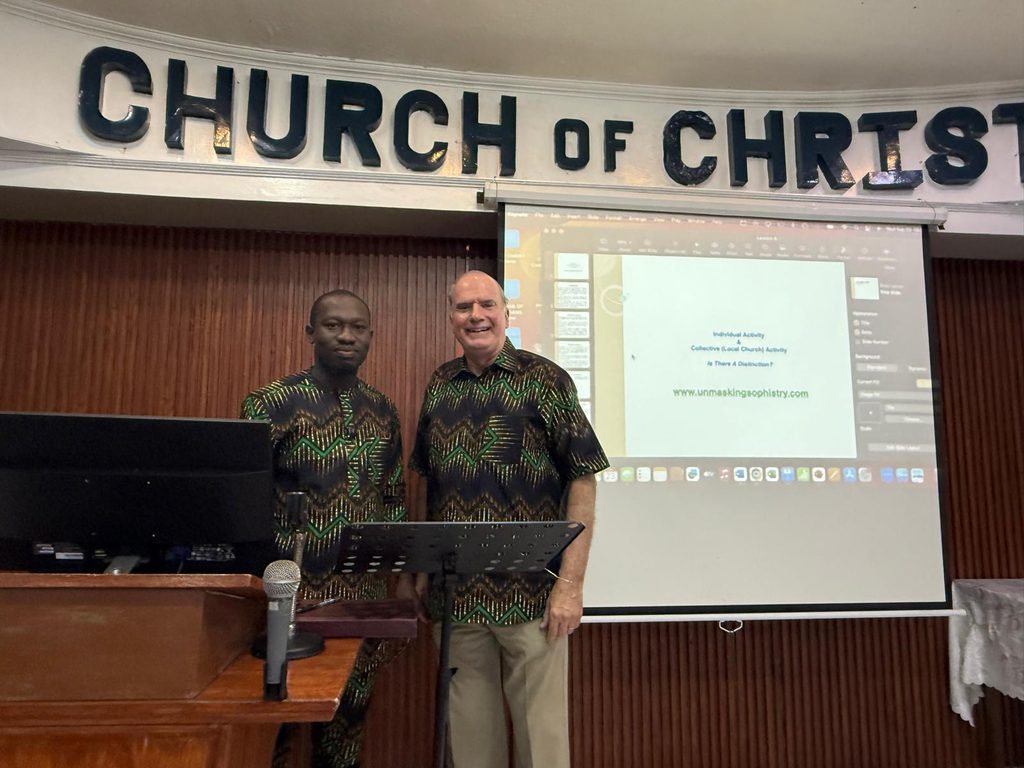
Wednesday, September 23: Institutionalism
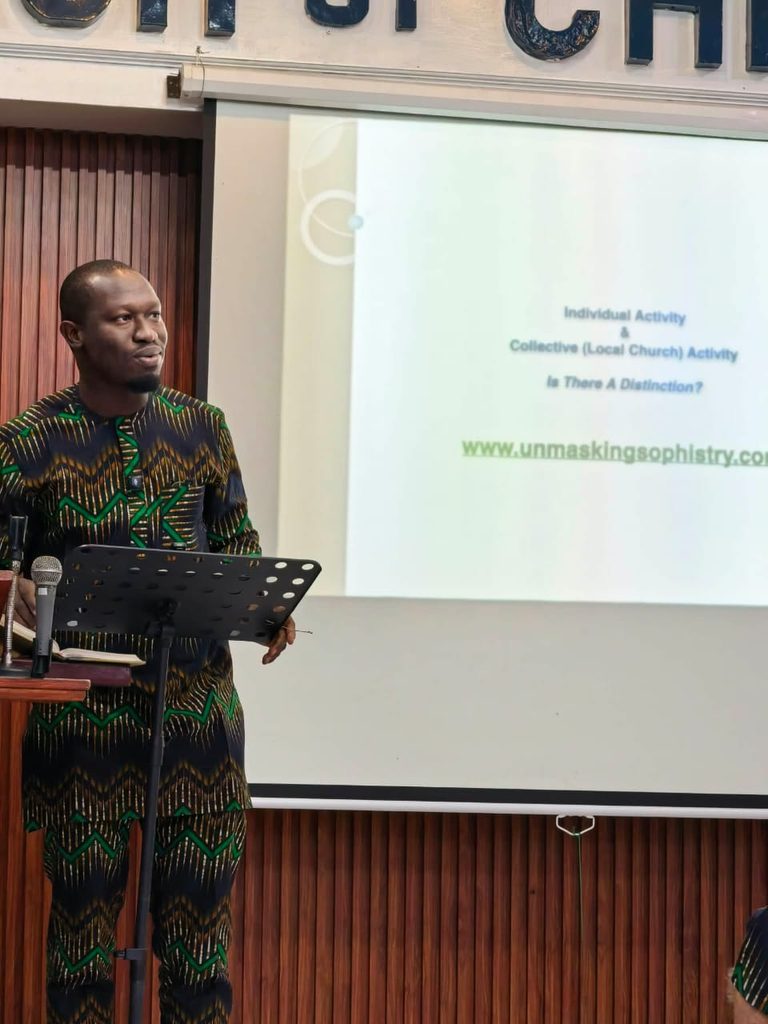
The first day of the lectureship focused on institutionalism. The programme was divided into two sessions, with lessons addressing the meaning of institutionalism, the distinction between institutional and non-institutional congregations, the responsibilities of the local church, and the proper use of biblical authority in determining the work and arrangements of the church.
During the first session, brother Chris Reeves presented two lessons. He explained what institutionalism means and discussed the differences between institutional or liberal congregations and non-institutional or conservative congregations. He also examined the scriptural expectation that congregations should carry out the work God has assigned to them without depending on human institutions to perform their divinely appointed responsibilities.
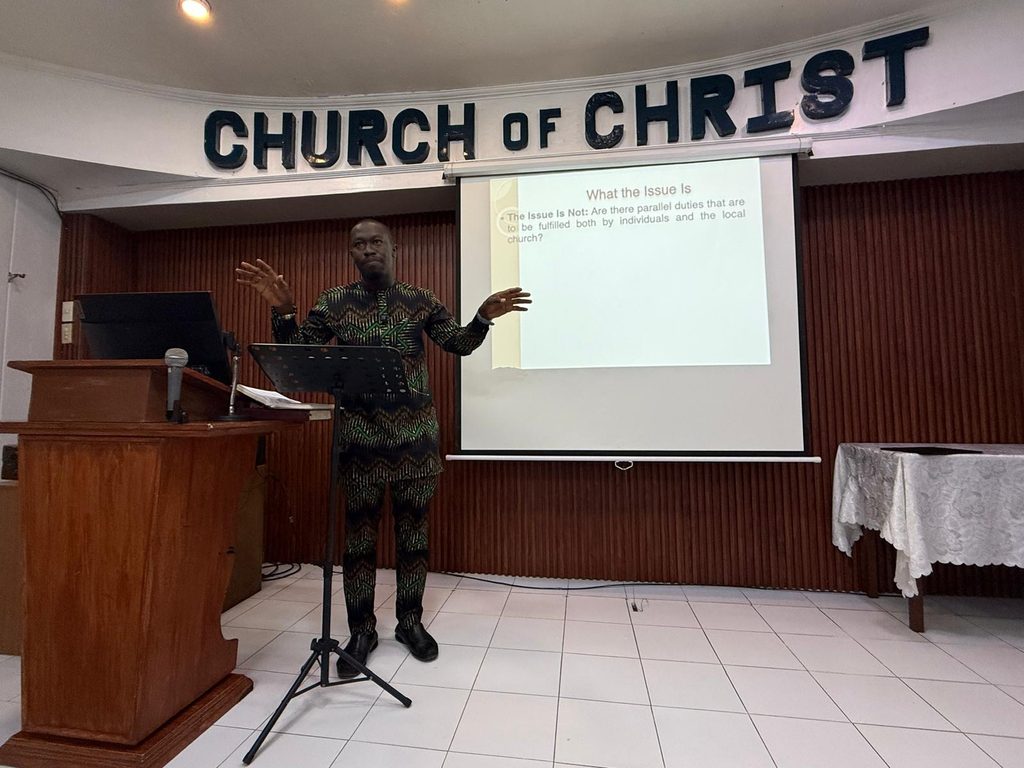
I presented a lesson on the distinction between the church and the individual Christian, focusing on their respective responsibilities. I explained that the fact that an activity is authorised for an individual Christian does not automatically establish that it is authorised as a work of the local church. Each must act within the responsibilities and authority assigned by God.
For example, 1 Timothy 5:16 distinguishes between the responsibility of individual Christians to assist needy relatives and the responsibility of the church in providing support for widows who are truly in need. The passage illustrates the importance of recognising the distinction between individual and congregational responsibilities rather than treating every Christian duty as an obligation of the church collectively.
This distinction is important because the church must respect the pattern and limitations revealed in Scripture. The church is described as the house of God and the pillar and ground of the truth (1 Timothy 3:15). It must therefore perform its work according to God’s instructions rather than simply adopting arrangements that appear useful or popular.
During the afternoon session, brother Chris addressed passages commonly used by institutional brethren to support institutionalism. He examined how such passages are interpreted and explained why their application to institutional arrangements does not necessarily follow from what the texts actually teach.
My afternoon lesson focused on expediency. I explained that expediency concerns the means or methods by which an authorised work may be carried out; it does not give us the authority to introduce a work or arrangement that God has not authorised. A practice must first be lawful before it can be considered expedient. Paul wrote, “All things are lawful for me, but not all things are helpful” (1 Corinthians 6:12; see also 1 Corinthians 10:23).
I emphasised that the church is fully sufficient to accomplish the work God has assigned to it. The church must not assume that a human religious institution becomes scriptural simply because it claims to assist in accomplishing a good purpose. The question is not merely whether an arrangement is helpful, but whether it is authorised by God’s Word.
Ephesians 3:10–11 teaches that God’s eternal purpose is made known through the church, while 1 Timothy 3:15 identifies the church as the pillar and ground of the truth. These passages remind us of the importance of respecting God’s wisdom in establishing the church and defining its work.
The day’s lessons provided opportunities to examine the relationship between biblical authority, the responsibilities of Christians, and the work of the local congregation. They also challenged preachers to distinguish between what God has authorised and what people may consider convenient or beneficial.
Thursday, September 24: How to Study the Bible
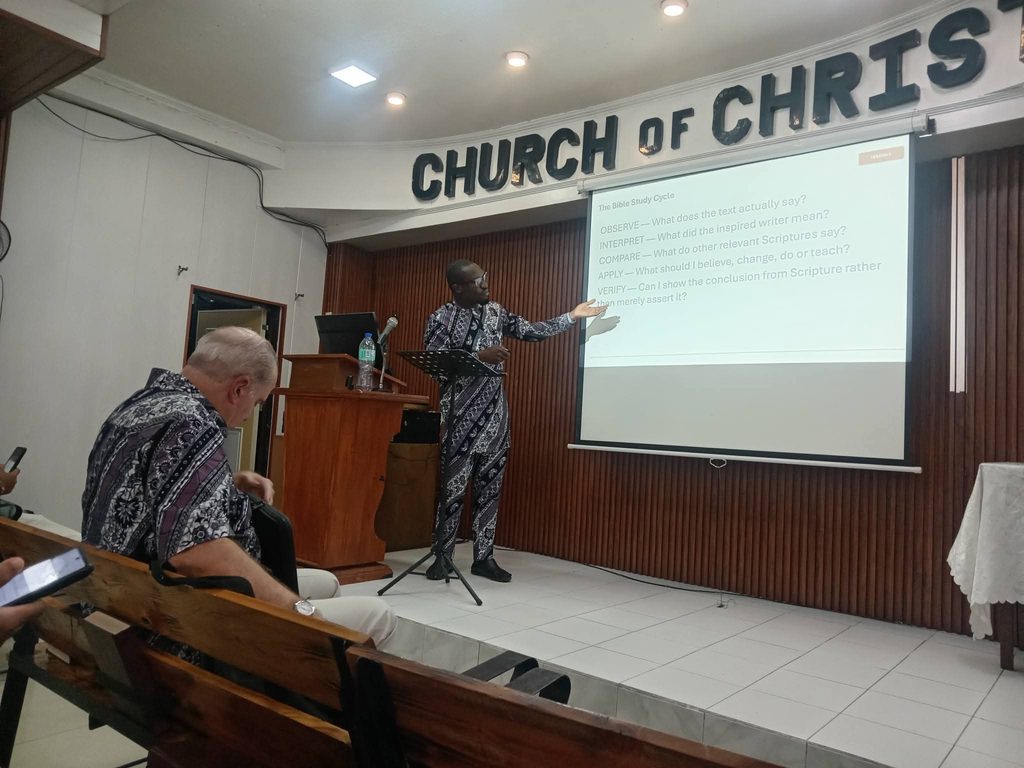
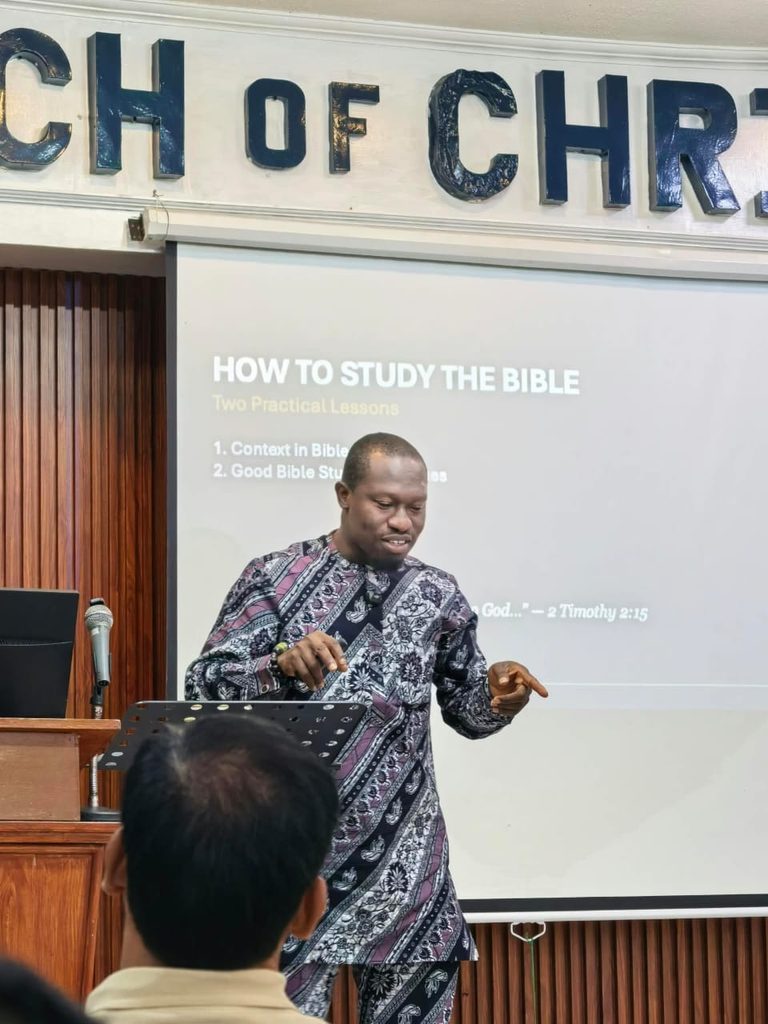
The theme for the second day was how to study the Bible. Since preachers have the responsibility to teach God’s Word accurately, it is essential that they develop sound methods of Bible study and interpretation. Brother Chris Reeves presented a lesson on the importance of studying the Bible verse by verse. This approach encourages students to pay careful attention to the text, its immediate context, and the way each verse contributes to the overall meaning of a passage.
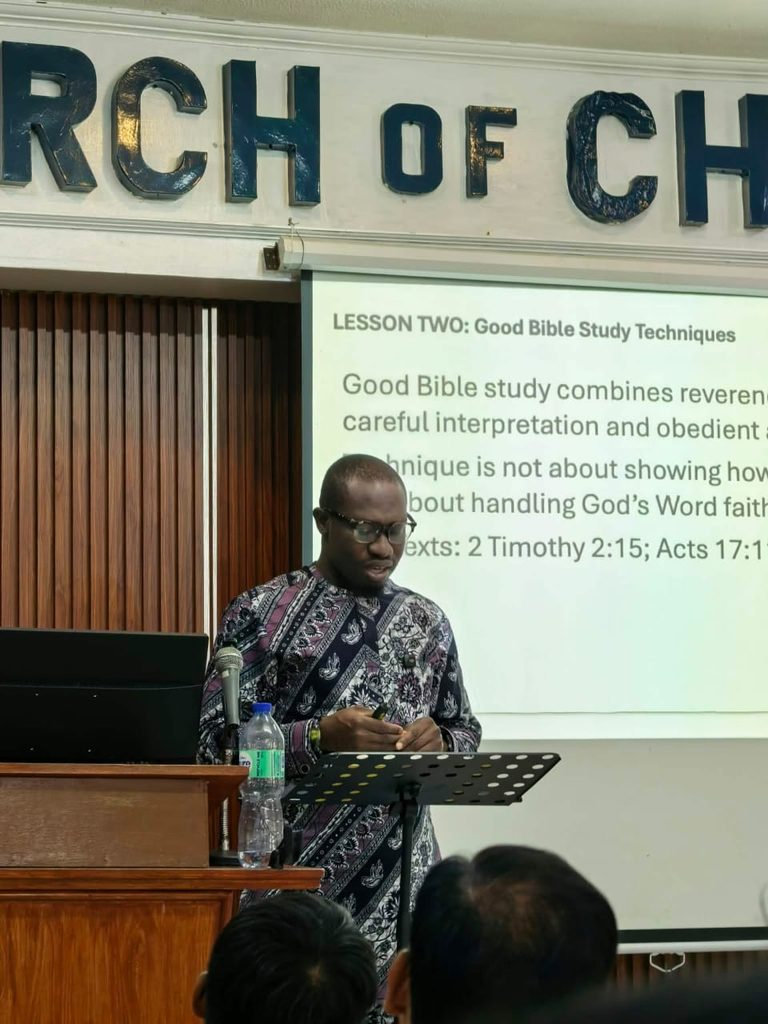
I presented two lessons: “Context in Bible Study” and “Basic Bible Study Techniques.” In my lesson on context, I emphasised that Bible passages must be understood in the light of their surrounding verses, the purpose of the book in which they occur, the original audience, and the circumstances being addressed. A passage should not be isolated from its context or made to support a conclusion that the inspired writer was not teaching. Paul instructed Timothy to be diligent in handling the word of truth correctly (2 Timothy 2:15). The Bereans were commended because they received the word eagerly and examined the Scriptures daily to determine whether the things they heard were true (Acts 17:11). These passages demonstrate the importance of careful study rather than accepting interpretations without examination. I also discussed the dangers of misapplying Scripture by ignoring the context. A person may quote a passage accurately but still use it incorrectly if the passage is made to teach something different from its intended meaning. Sound interpretation requires attention not only to what a verse says but also to what the inspired writer meant in its context.
In the lesson on basic Bible study techniques, I discussed practical steps that can help Christians approach Scripture more effectively. These include reading a passage carefully, identifying its main subject, observing the details, determining its meaning in context, comparing related passages, and applying its teaching appropriately. The study of God’s Word must be approached with diligence and humility. We must be willing to examine our own beliefs and correct them when they do not agree with Scripture. As James 1:22 teaches, Christians must be doers of the word and not hearers only. The lessons were particularly relevant to the preachers in attendance because their responsibility is not merely to speak publicly but to communicate God’s revealed message accurately. A preacher must first understand the Word before he can teach it effectively to others.
Friday, September 25: The Life and Character of the Preacher
The third and final day of the lectureship focused on the life of the preacher. The lessons addressed the character, conduct, and responsibilities of those who undertake the work of preaching.
Brother Chris Reeves presented a lesson titled “Even Barnabas,” based on Galatians 2:13. Paul wrote that the other Jews joined Peter in his hypocrisy, “so that even Barnabas was carried away with their hypocrisy” (NKJV). Brother Chris used this account to emphasise that preachers can be influenced by the attitudes and conduct of other preachers, sometimes to the point of acting inconsistently with the truth of the gospel. Even respected and experienced servants of God must remain watchful and ensure that their conduct is governed by the truth rather than by the influence of others. Paul’s account of his confrontation with Peter in Galatians 2:11–14 demonstrates the importance of standing firmly for the truth, regardless of who may be acting contrary to it. Brother Chris also presented another lesson relating to the life and conduct of preachers which formed part of the day’s emphasis on the responsibilities and character of those who preach God’s Word.
My lessons focused on the preacher and his character and New Testament preachers and what we can learn from them. In discussing the preacher’s character, I emphasised that a preacher’s life must support the message he proclaims. Preaching is not simply a matter of possessing knowledge, speaking eloquently, or delivering sermons. It also involves living in a manner that reflects the principles of the gospel. Paul instructed Timothy to be an example to the believers in word, conduct, love, spirit, faith, and purity (1 Timothy 4:12). He also instructed Titus to show himself as a pattern of good works and to demonstrate soundness in teaching and integrity in conduct (Titus 2:7–8). I further examined the lives of preachers and other servants of God in the New Testament, drawing lessons from their examples that preachers today can apply to their own work. The Scriptures reveal both commendable examples and occasions when God’s servants needed correction. These accounts remind us that every preacher must continually examine himself and remain accountable to the Word of God. The lessons also emphasised that preachers must be courageous enough to stand for the truth, humble enough to accept correction, and careful not to allow personal relationships or the influence of other preachers to take precedence over obedience to Scripture.
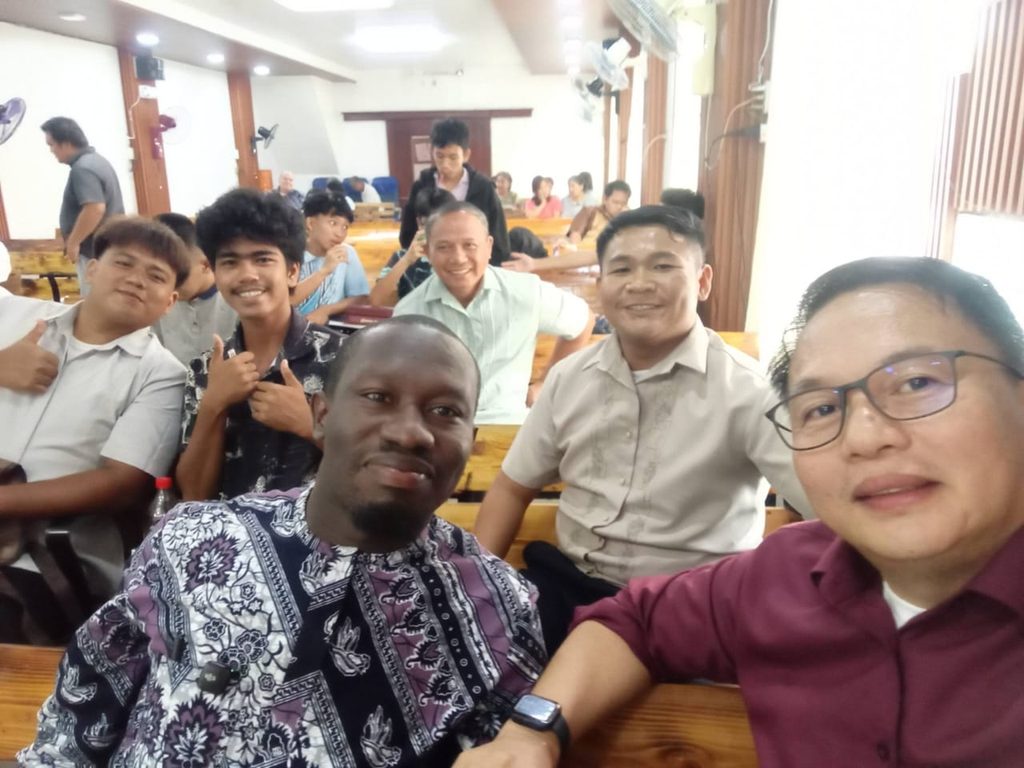
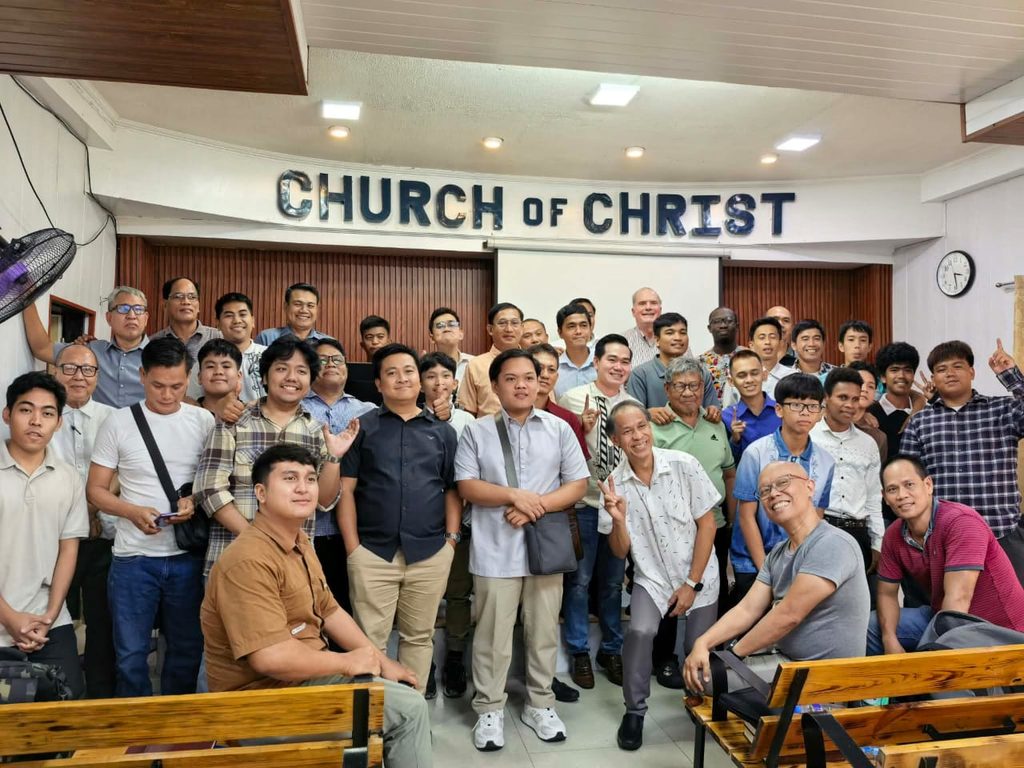
At the conclusion of the three-day lectureship, I was grateful for the opportunity to participate in the programme and to meet the brethren who attended. The lectureship provided valuable opportunities for teaching, discussion, encouragement, and the strengthening of relationships among those involved in preaching the gospel.
Visit to Sunshine Ville–Cabuco Church of Christ
On Saturday, September 26, brother James Paet and I travelled to the Cavite area, where I visited the Sunshine Ville–Cabuco Church of Christ. During the visit, I presented three lessons to the congregation.
The first lesson was titled “Individual Responsibilities Towards Church Growth.” I emphasised that every Christian has a responsibility to contribute to the growth and edification of the local congregation. The church is not strengthened by the efforts of one or two people alone; every member has a role to play in the proper functioning of the body.
Ephesians 4:16 describes the body as being joined and knit together, with each part contributing to its growth and edification in love. The passage reminds Christians that they should not remain passive spectators but should use their abilities and opportunities to strengthen the congregation. Members can contribute through faithful living, encouraging one another, teaching others, serving, and supporting the work of the church according to their abilities.
My second lesson was titled “Putting Your Faith to Practice: Seven Do-It-Yourself Lessons from the Book of James.” This lesson drew attention to practical instructions in the Epistle of James and the need for Christians to demonstrate their faith through their daily conduct.
James teaches that faith without works is dead (James 2:17, 26). He also addresses the control of the tongue (James 3:1–12), wisdom from above (James 3:13–18), humility before God (James 4:6–10), patience in suffering (James 5:7–11), and prayer (James 5:13–18). These teachings remind Christians that faith must be reflected in their speech, relationships, decisions, and conduct.
The lesson encouraged the brethren to move beyond merely knowing what the Bible teaches and to put its instructions into practice. A Christian’s faith should be visible in his or her life.
The third lesson was titled “If Your Bible Could Talk.” This lesson emphasised the importance of regular Bible study and obedience to God’s Word. I encouraged the brethren to consider what their Bibles might say about their relationship with Scripture if the books they owned could testify concerning their habits and conduct.
Would the Bible reveal that its owner rarely reads it? Would it show that the person knows only a few favourite passages while neglecting the rest of God’s counsel? Or would it reveal that the person reads Scripture but fails to practise its teachings?
The lesson challenged the brethren to examine themselves honestly. Paul instructed Timothy to give attention to reading, exhortation, and doctrine (1 Timothy 4:13), while the psalmist expressed his commitment to God’s Word in Psalm 119:11. Regular study is important, but it must be accompanied by a willingness to obey what we learn.
Brother James Paet also presented a lesson on the proper use of social media. There were many young people present, making the subject particularly relevant. His lesson addressed the need for Christians to use social media responsibly and in a manner consistent with their faith. The principle in Colossians 4:6, which instructs Christians to let their speech always be with grace, is relevant to their online conversations as well as their everyday interactions.
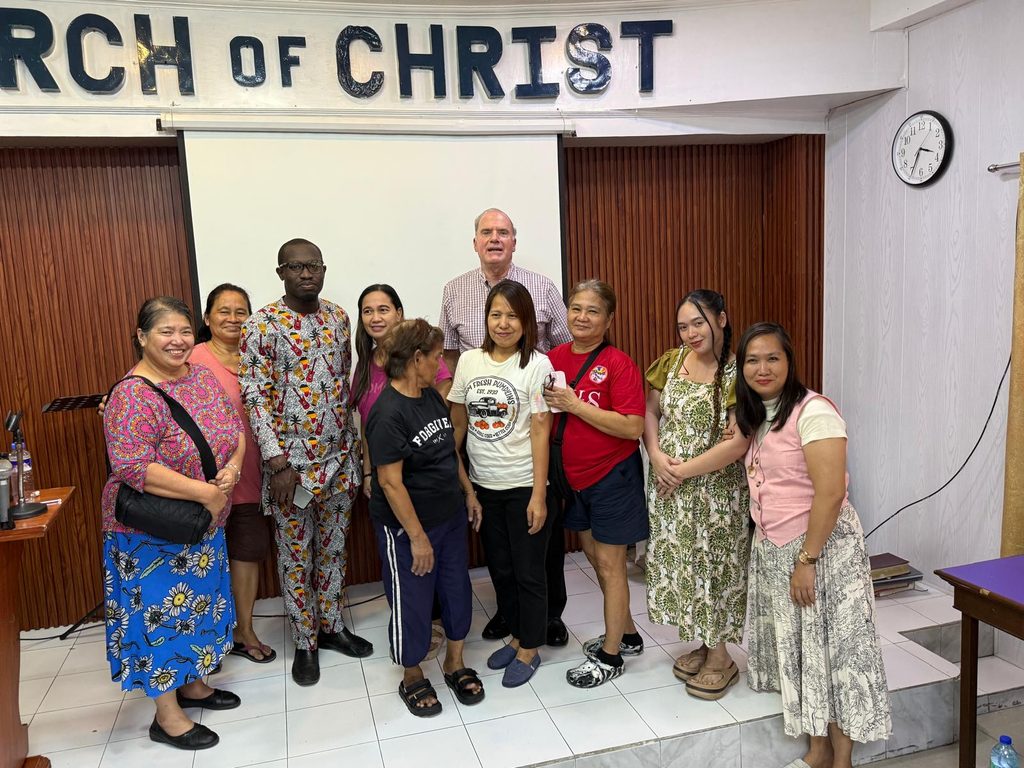
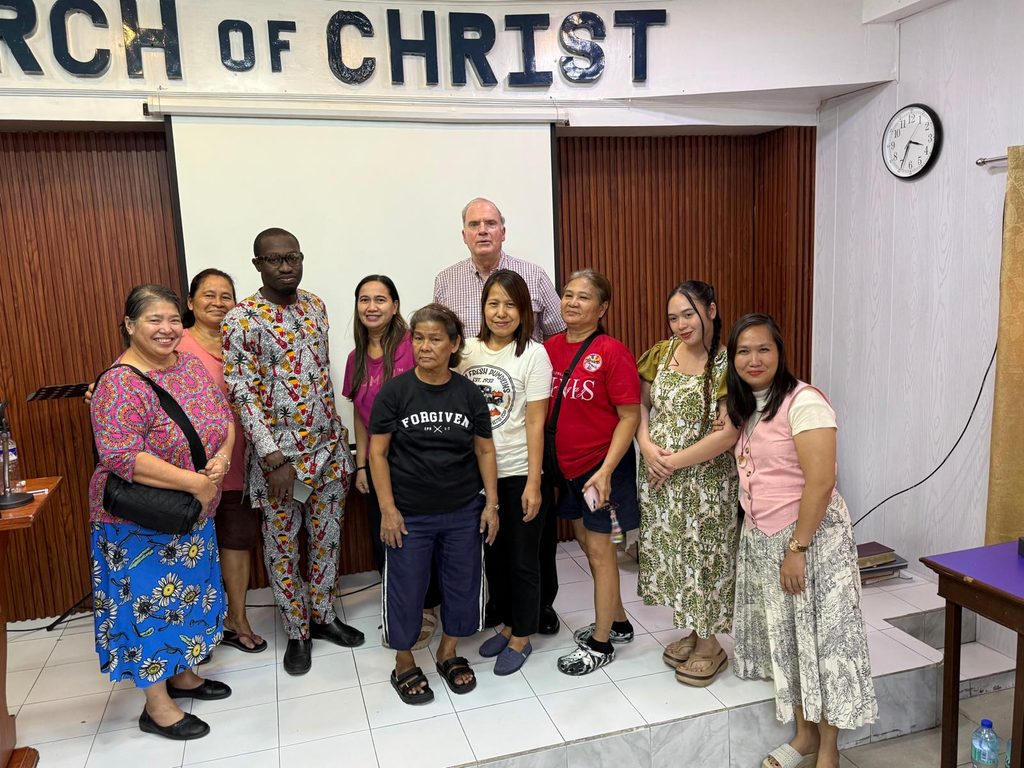
I was grateful for the opportunity to visit the congregation, teach these lessons, and encourage the brethren in their Christian responsibilities.
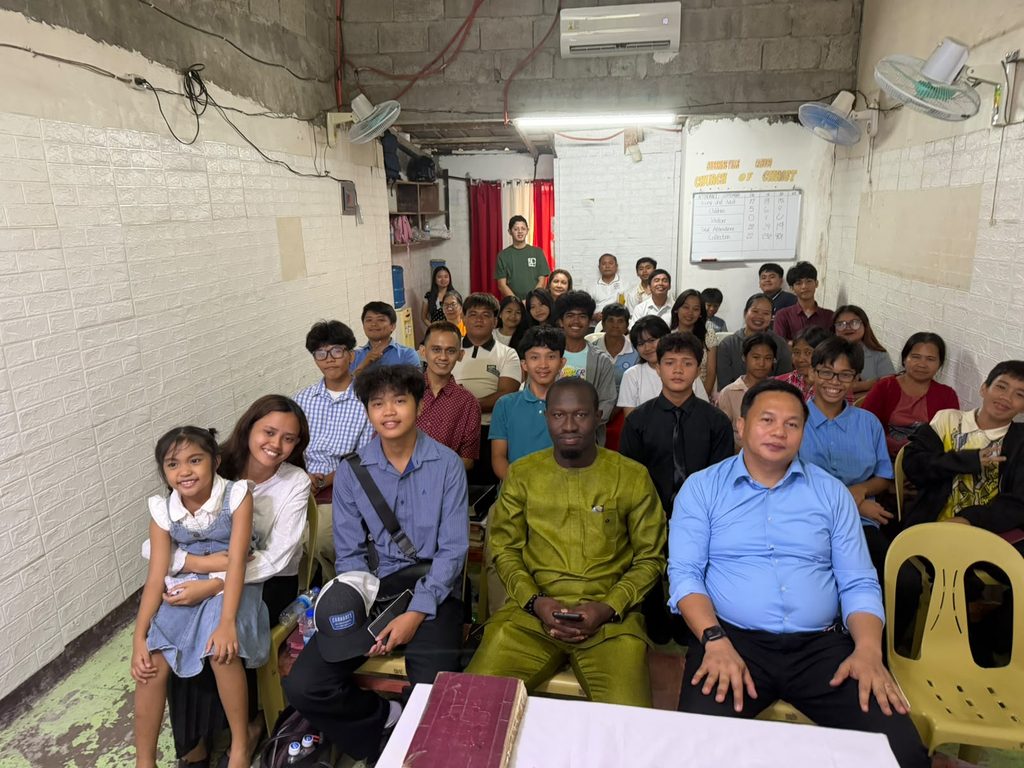
Sunday Worship and Preaching in EDSA Pasay and Bacoor
On Sunday, September 27, I travelled to EDSA Pasay to worship and preach with the EDSA Pasay Church of Christ, where brother James Paet preaches. During the visit, I presented a lesson titled “The Way of Man versus the Way of God.” The lesson emphasised the distinction between human ways and God’s revealed way. Human reasoning, traditions, and preferences must not take the place of divine instruction. Proverbs 14:12 warns that there is a way that seems right to a man but ultimately leads to death, while Isaiah 55:8–9 reminds us that God’s thoughts and ways are higher than ours. The lesson encouraged the brethren to examine their beliefs and practices in the light of Scripture and to allow God’s Word, rather than human opinion, to determine their course. I also presented a sermon on putting faith into practice, continuing the emphasis on the need for Christians to demonstrate their faith through obedience and godly living. The teaching of James 1:22–25 was particularly relevant: Christians must not be hearers only but must put the Word into practice.
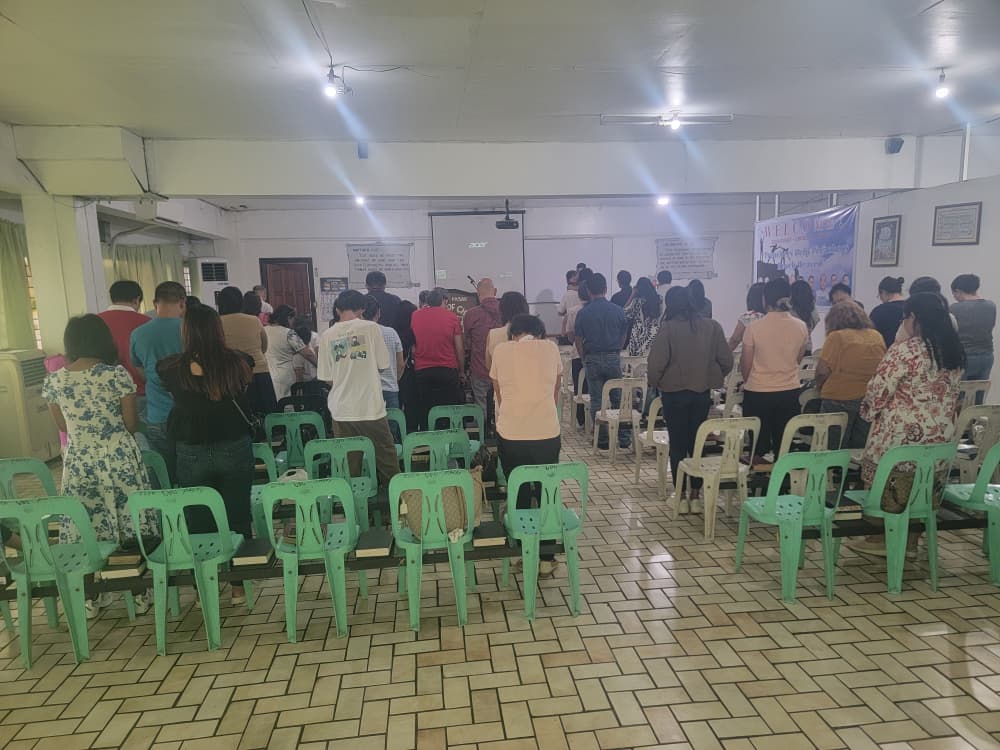
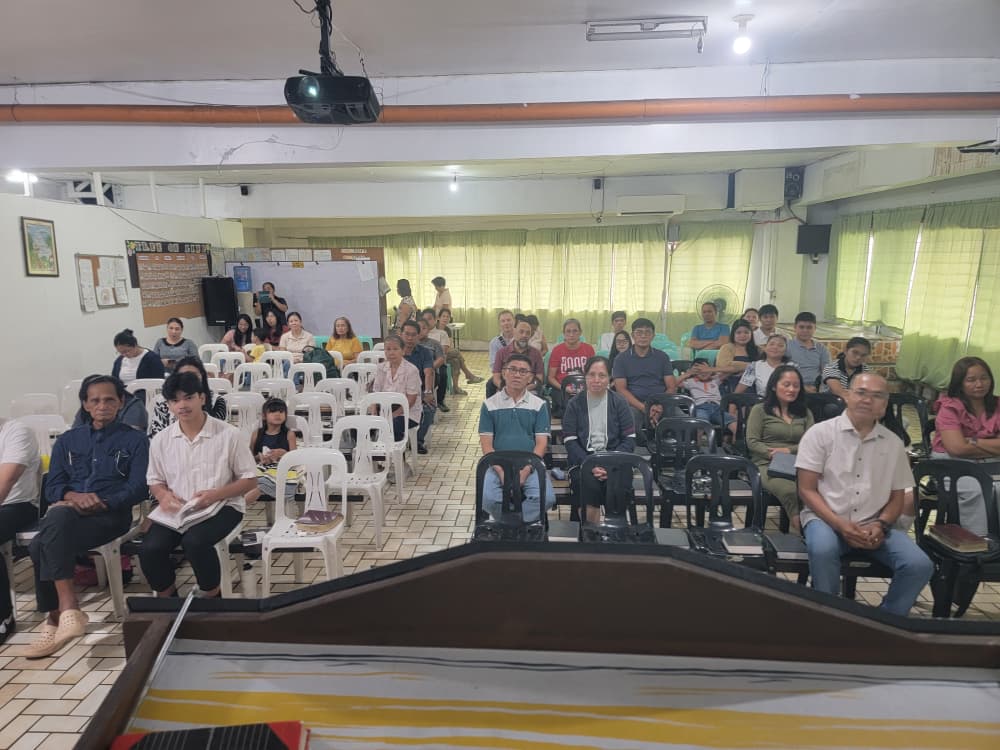
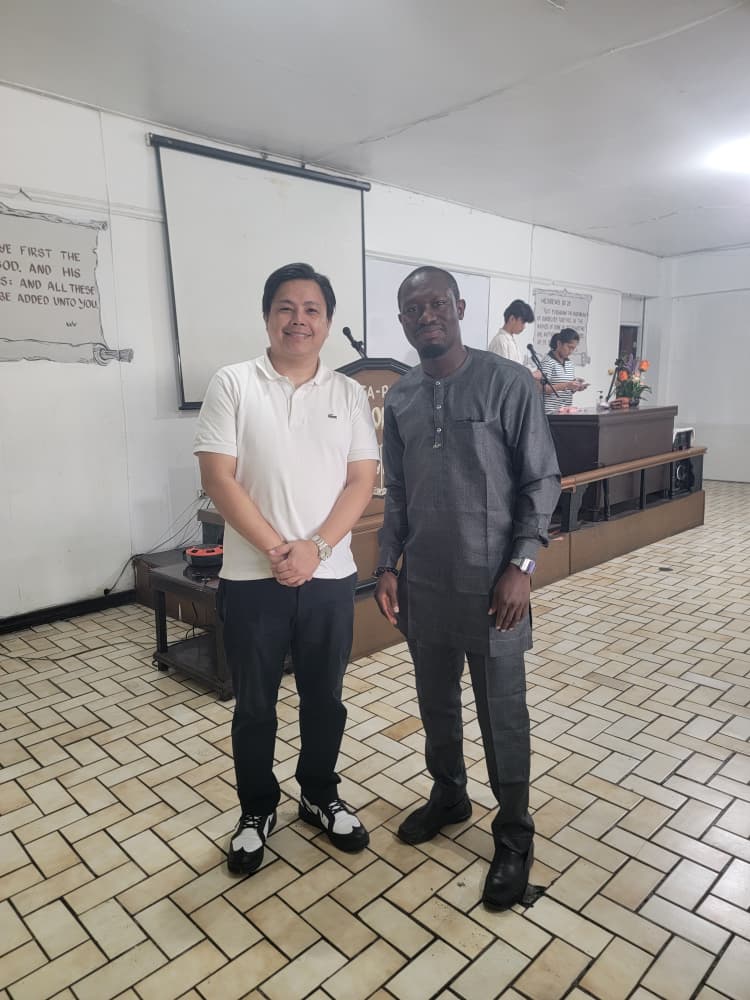
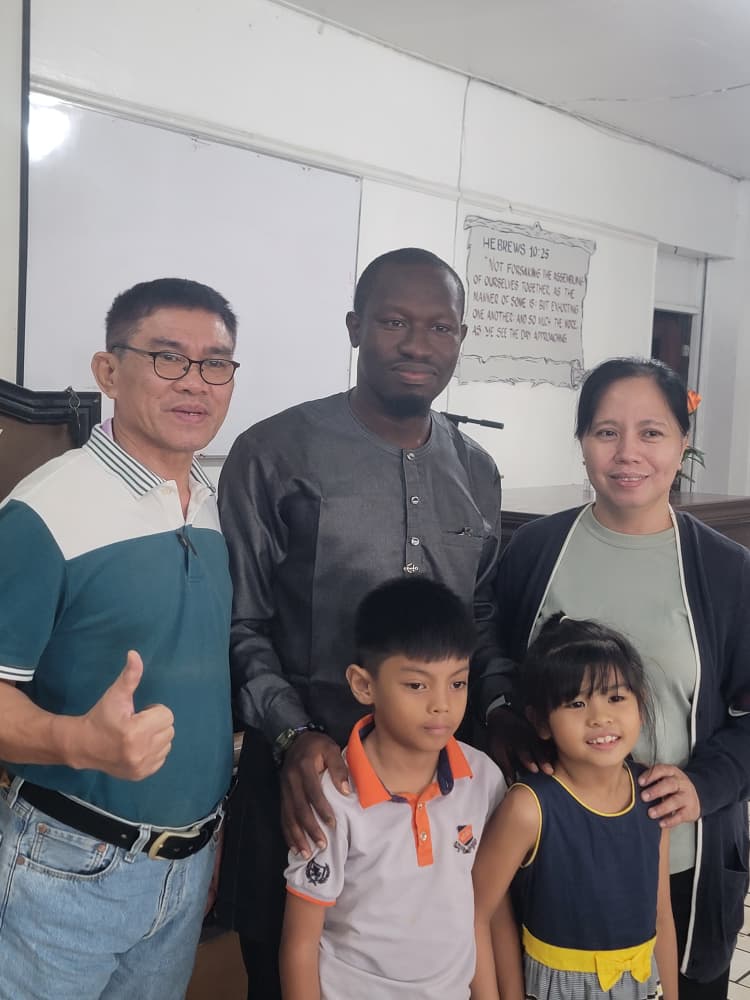
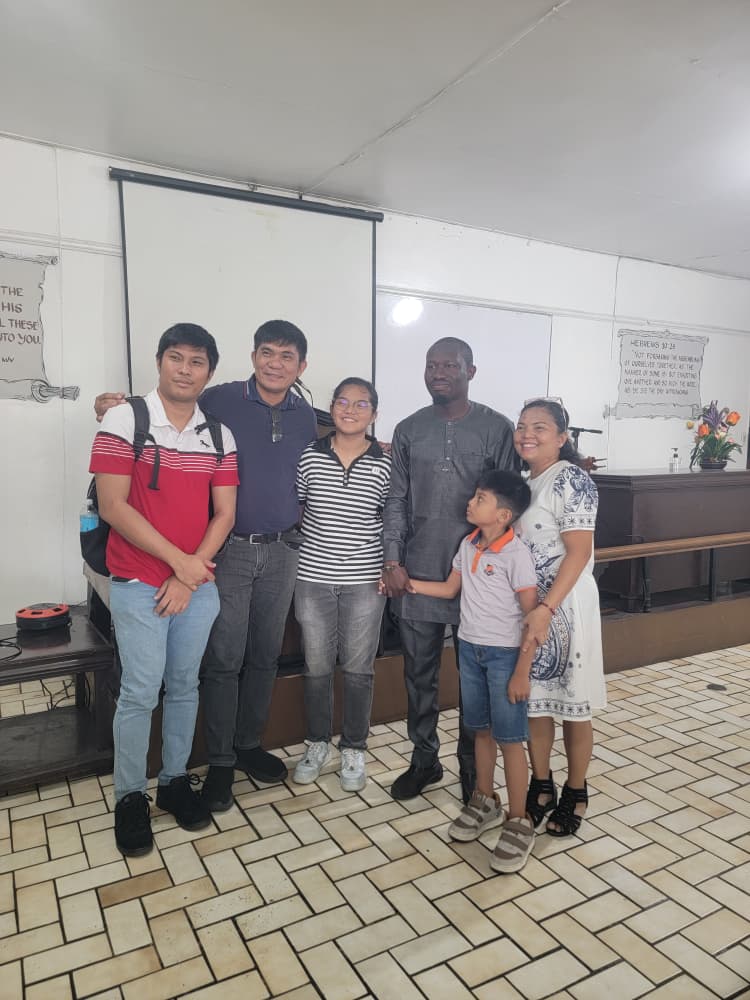
Later that day, I travelled to the Bacoor Church of Christ, where I preached on “Using Your Talent.” The lesson emphasised the responsibility of Christians to use the abilities and opportunities God has given them in His service. In Matthew 25:14–30, Jesus told the parable of the talents, showing the importance of faithfully using what has been entrusted to us. Although the parable teaches broader lessons about accountability and stewardship, it provides a useful reminder that God’s servants must not bury their opportunities or remain inactive. Christians should use their abilities to serve others and contribute to the work of the Lord (1 Peter 4:10–11).
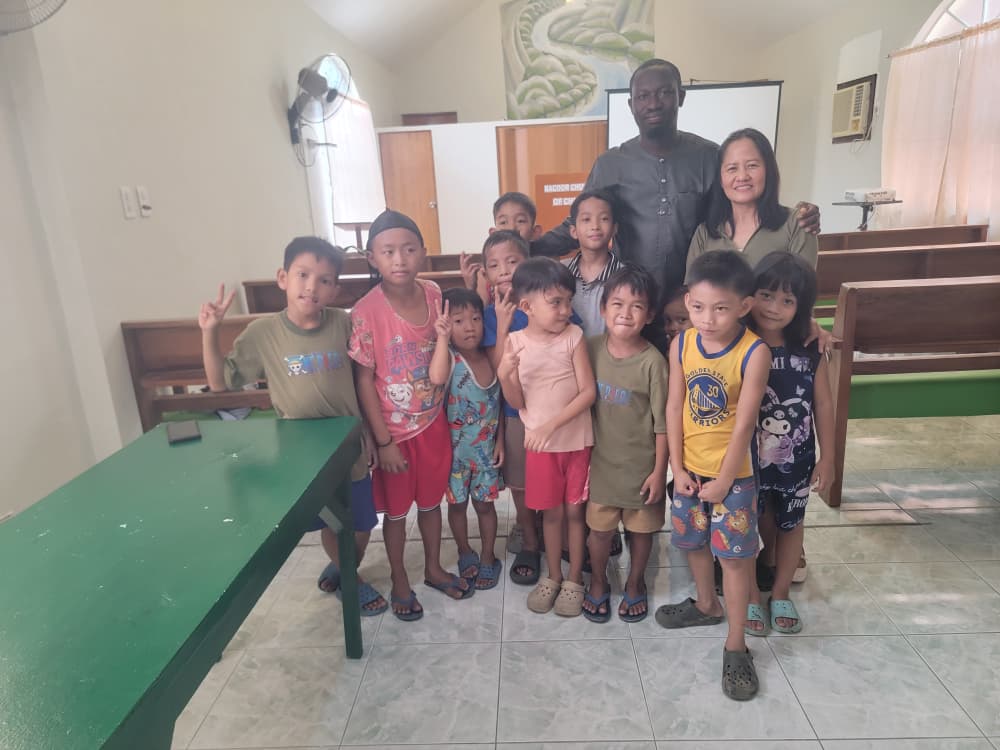
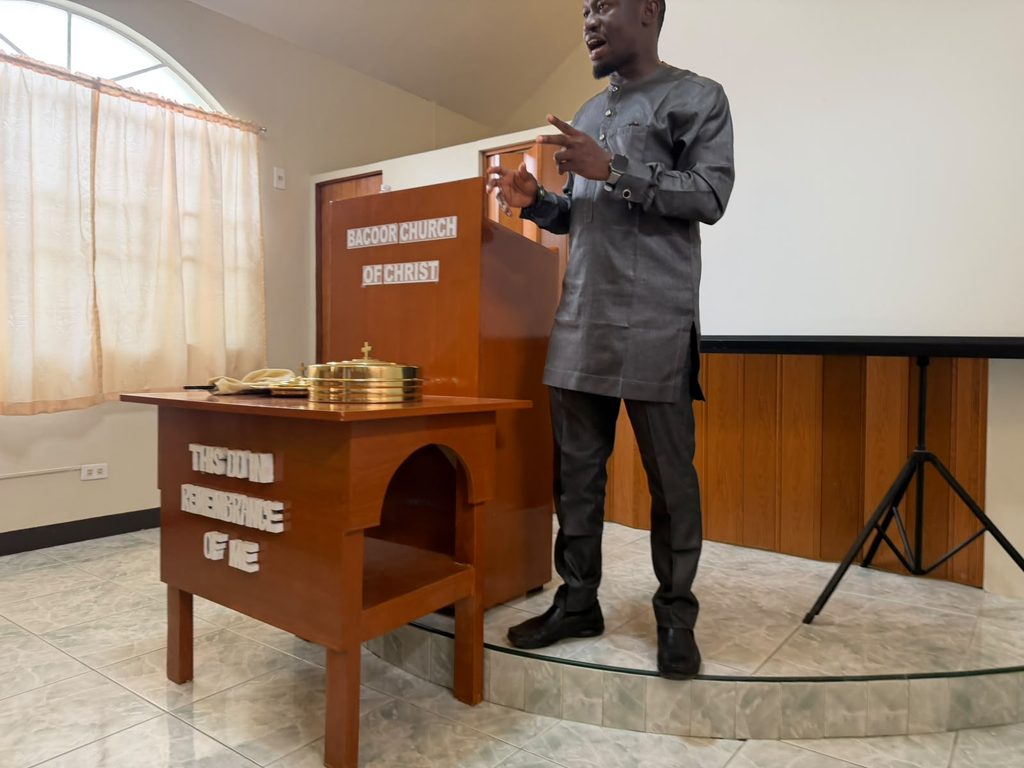
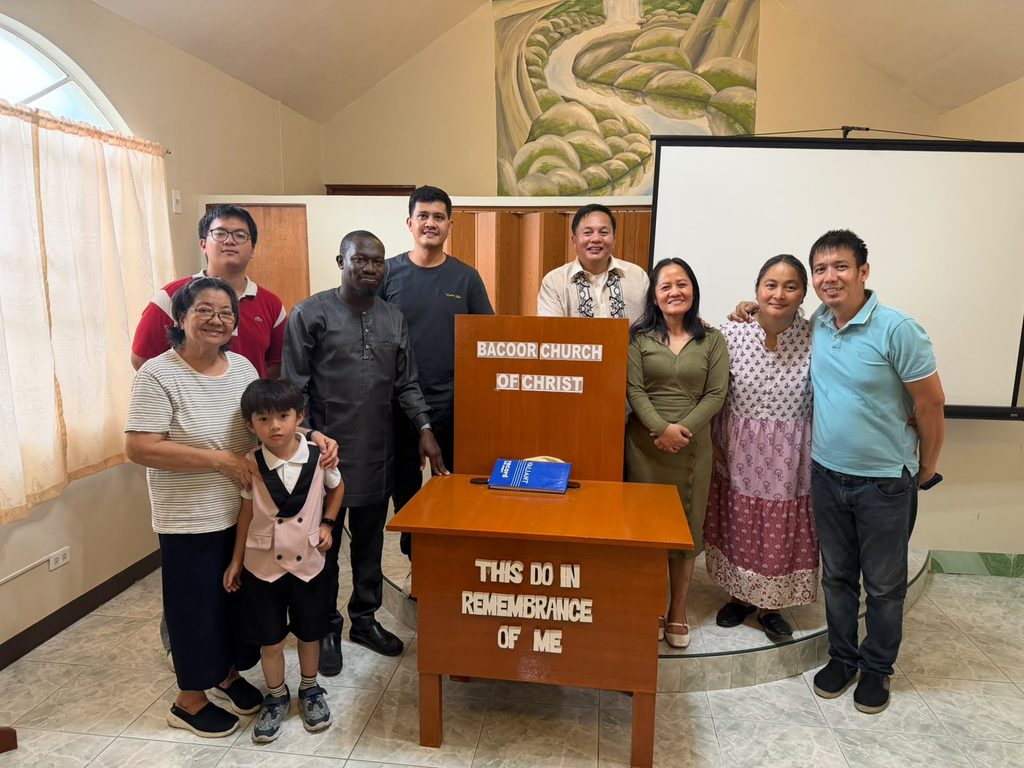
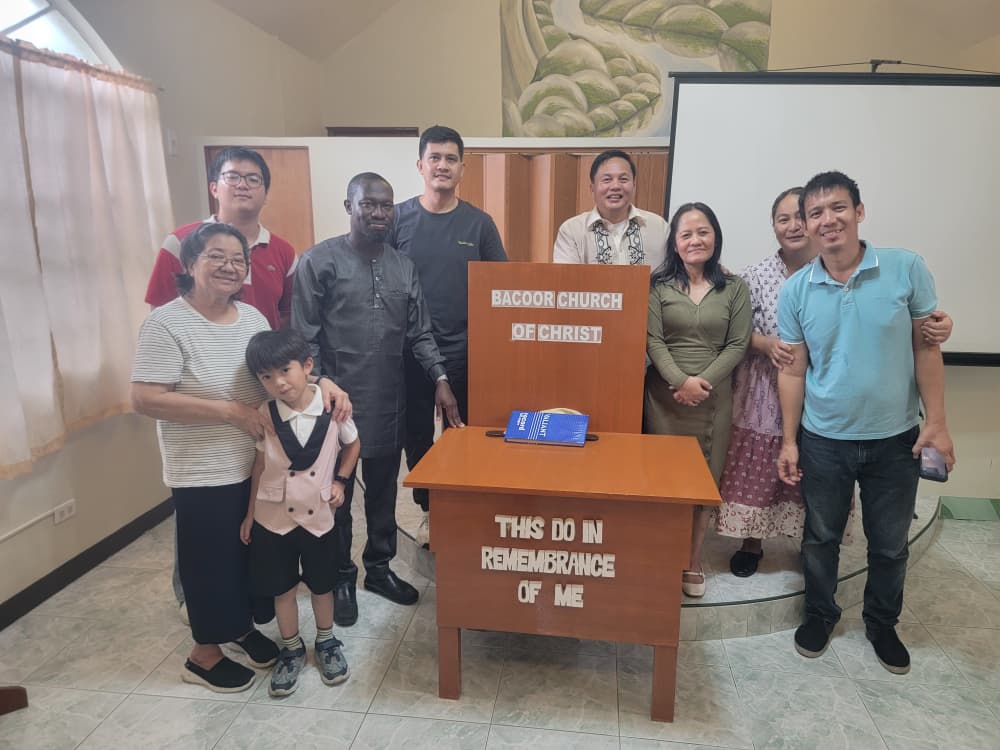
After the visit to Bacoor, I returned to EDSA Pasay, where I preached in the evening on Matthew 6:33: “But seek first the kingdom of God and His righteousness, and all these things shall be added to you” (NKJV). The lesson emphasised the need to give God’s kingdom and righteousness priority in our lives. Christians must not allow material concerns, personal ambitions, or worldly pursuits to displace their commitment to God. Jesus’ teaching calls His followers to trust God and make His will their first priority.
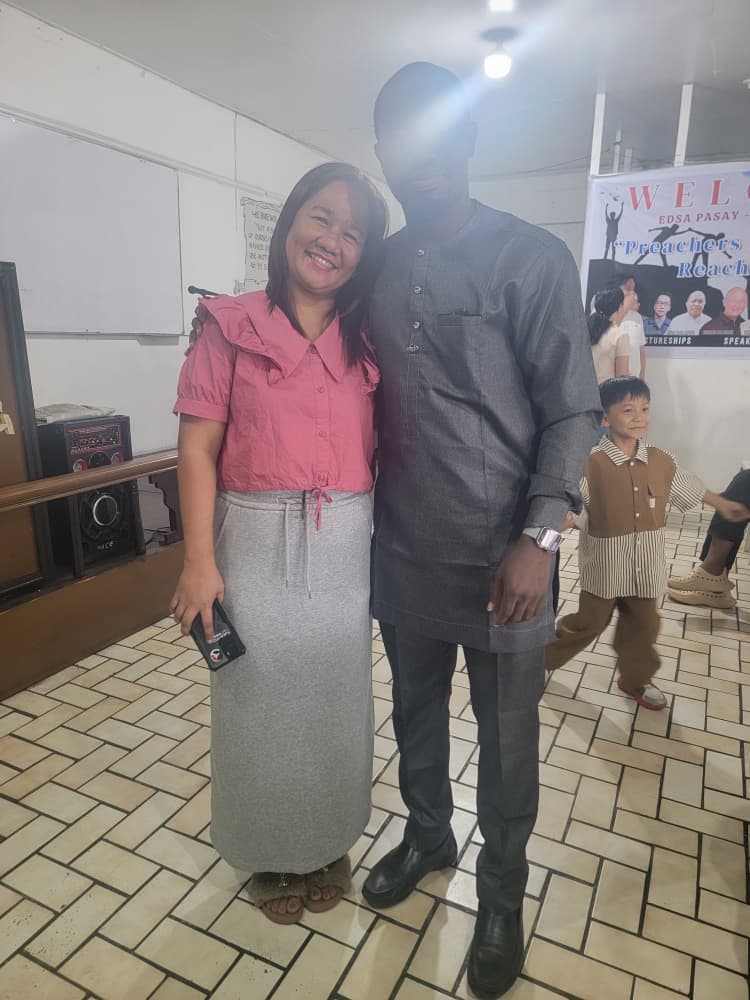
That evening, I also had an encouraging Bible study with two Filipino ladies, one from a Catholic background and the other from a Seventh-day Adventist background. During our discussion, I emphasised the importance of understanding the church revealed in the New Testament and the need to become a member of the church established by Christ. I drew attention to Jesus’ promise to build His church (Matthew 16:18), the description of the church as Christ’s body (Ephesians 1:22–23), and the unity of the body taught in Ephesians 4:4–6. We discussed the importance of examining religious beliefs and practices by the standard of God’s Word rather than accepting them simply because they are traditional or widely followed. I was grateful for the opportunity to discuss these matters with them and to encourage further examination of the Scriptures. Such conversations are important because the gospel calls people to hear, understand, and obey the truth (Romans 10:17; John 8:31–32). The day’s activities provided several opportunities to preach the Word, encourage Christians, and discuss biblical subjects with people from different religious backgrounds. I was thankful for the cooperation of the brethren who made these visits possible.
Reflections on the Trip and Future Opportunities
During my stay in the Philippines, there were a few people I had hoped to meet and visit. However, because of the limited time available and the distances involved, I was unable to see everyone I had intended to visit. Some of them lived far from Manila, making it difficult to include their locations in the schedule.
Nevertheless, I hope to return to the Philippines in the future, Lord willing. If another opportunity arises, I intend to plan the trip in such a way that I can visit additional congregations, meet more brethren, and continue teaching the gospel in different places.
The trip reminded me of the importance of using every available opportunity to preach the Word. Whether through a formal lectureship, a congregational lesson, a personal Bible study, or a conversation during a journey, there are many circumstances in which the gospel can be communicated. Paul’s instruction to Timothy remains relevant: “Preach the word! Be ready in season and out of season” (2 Timothy 4:2).
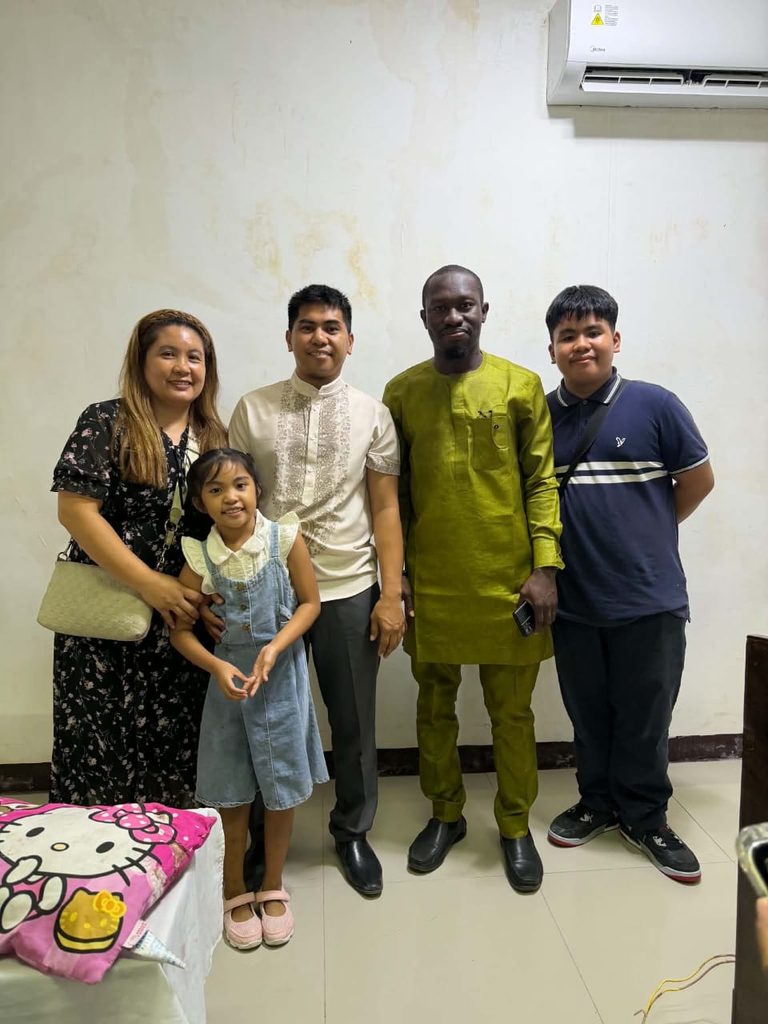
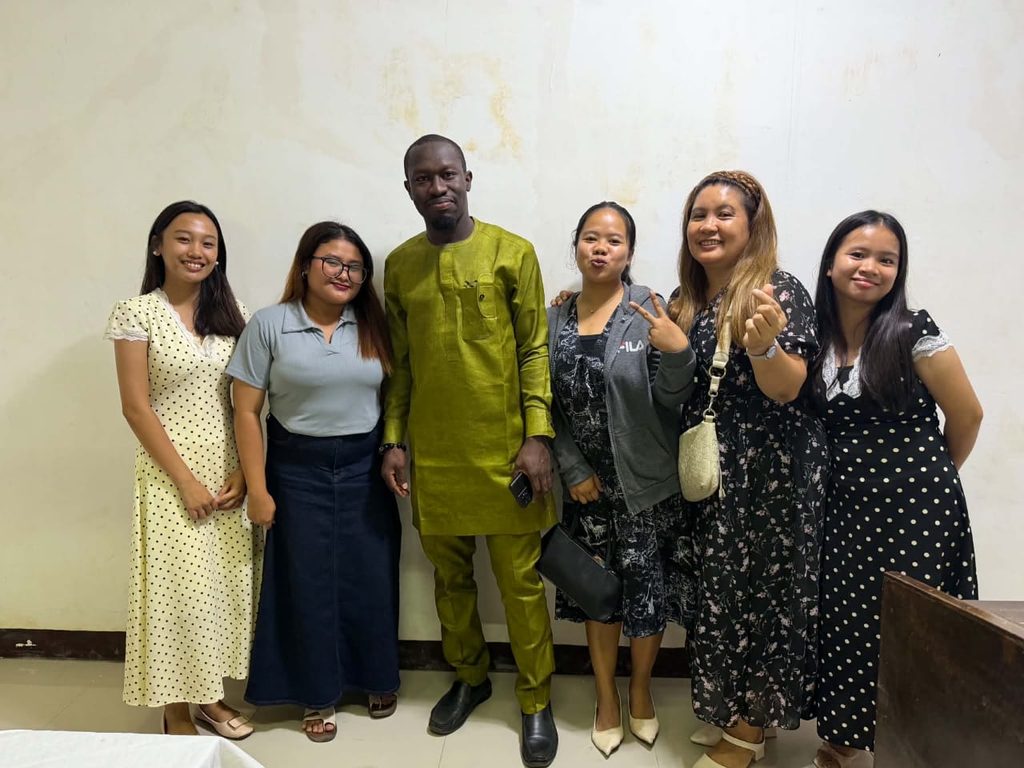
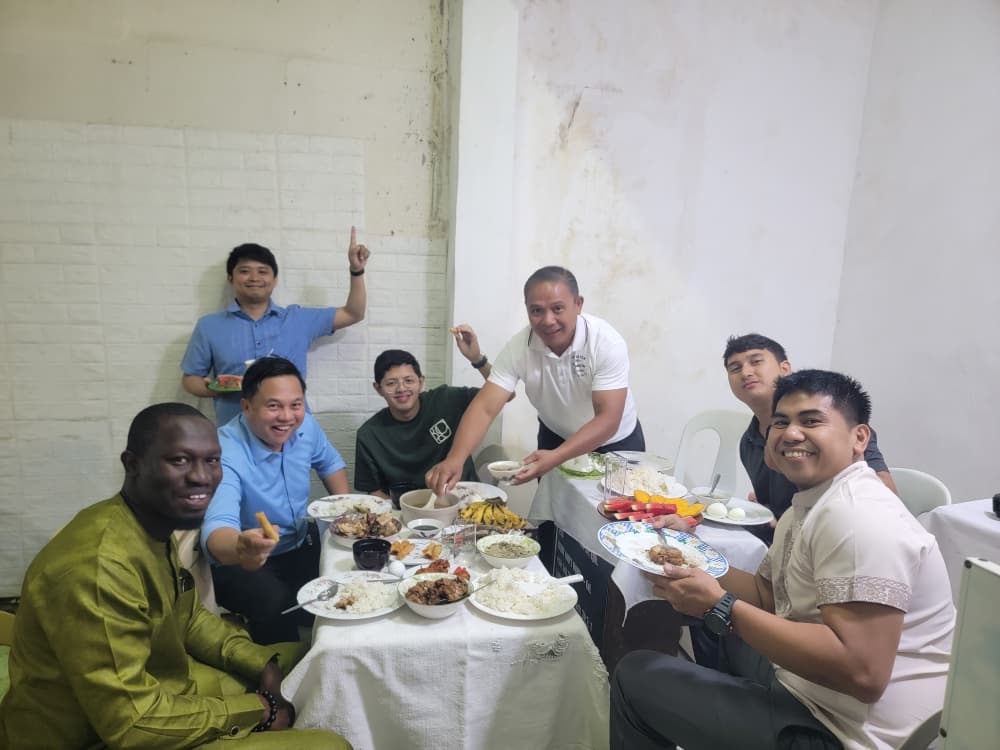
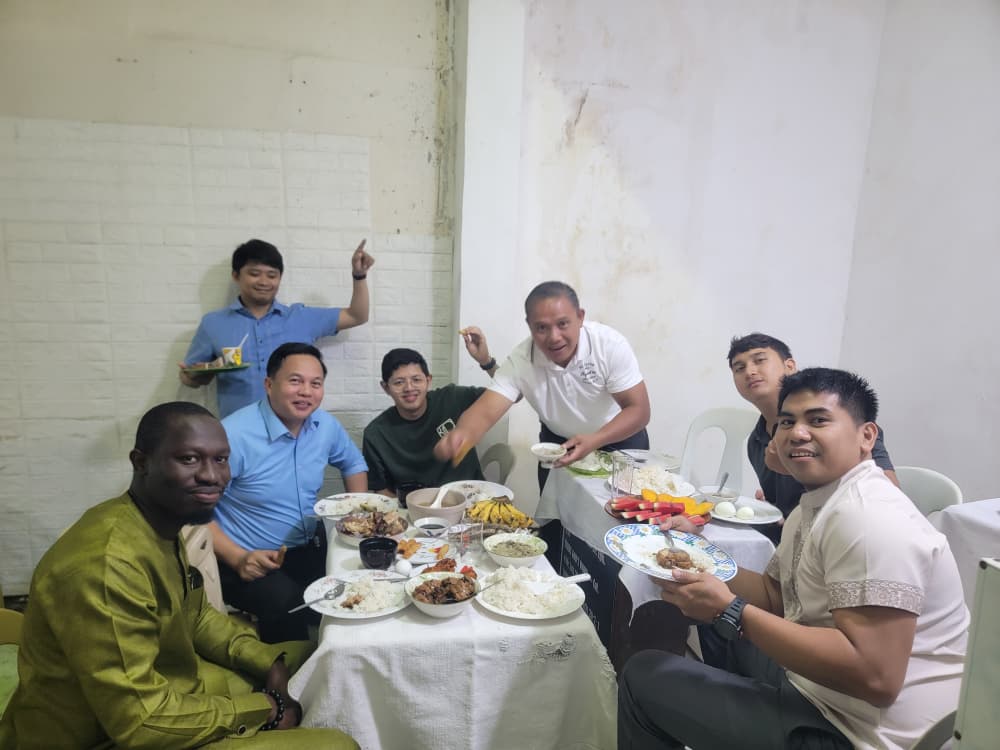
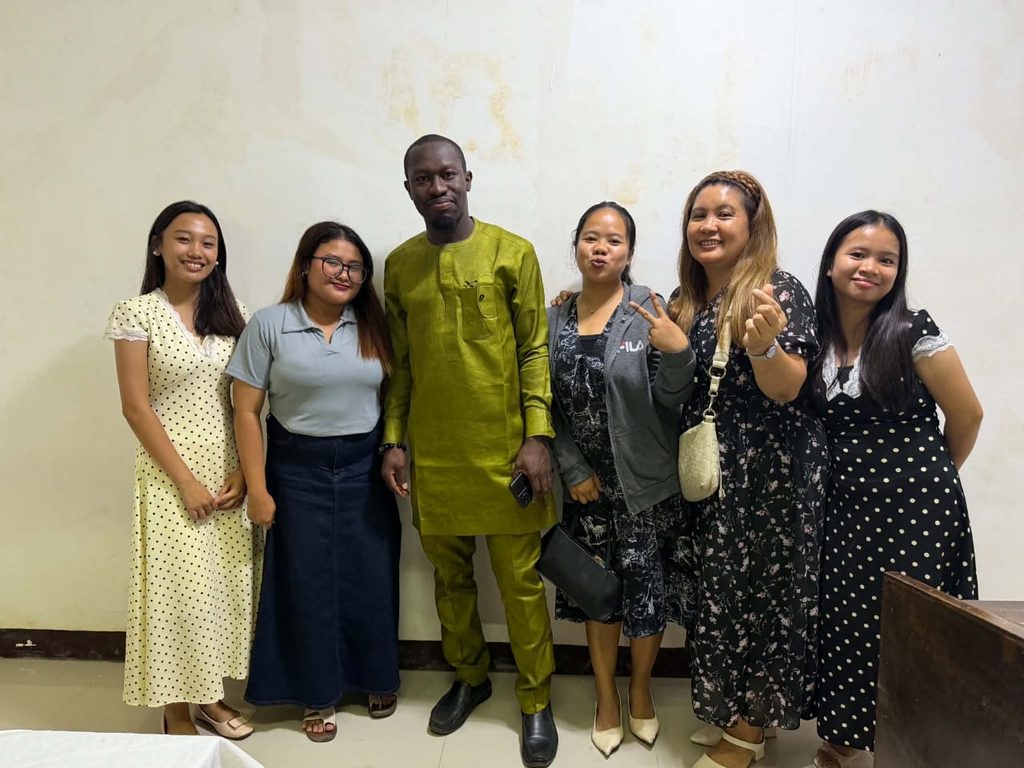
I am thankful for the brethren in the Philippines who welcomed us, worked with us, and made the preaching activities possible. Their hospitality and willingness to participate in the programme were encouraging. I am also grateful to brother Chris Reeves for working alongside me during the lectureship and to brothers James and Samuel Paet for their assistance and cooperation throughout the trip.
Return to Nigeria
On Monday, September 28, I departed Manila for Lagos, Nigeria, travelling through Hong Kong and Addis Ababa along the same general route I had taken on my outward journey. The return journey took approximately eighteen hours. I arrived at the Lagos airport at 11:40 a.m. on Tuesday, September 29.
I am deeply thankful to God for the opportunity to travel safely, participate in the preaching work, and return home. I am grateful for the Filipino brethren, whose warmth, hospitality, and receptiveness made the trip a memorable experience.
My prayer is that the lessons taught, the discussions held, and the encouragement shared will bear fruit in the lives of the brethren and contribute to the furtherance of the gospel in the Philippines. I also hope to continue the contacts made during the trip, including my conversation with Rowell H. Rosende, so that further opportunities to study God’s Word may arise.
The work of preaching the gospel continues to be a great privilege and responsibility. As Paul wrote, “Therefore, my beloved brethren, be steadfast, immovable, always abounding in the work of the Lord, knowing that your labour is not in vain in the Lord” (1 Corinthians 15:58).
To God be the glory for the opportunity to serve Him and to proclaim His Word in the Philippines.
Other photos taken during the trip