My Preaching Work in Ghana in 2026
By Osamagbe Lesley Egharevba
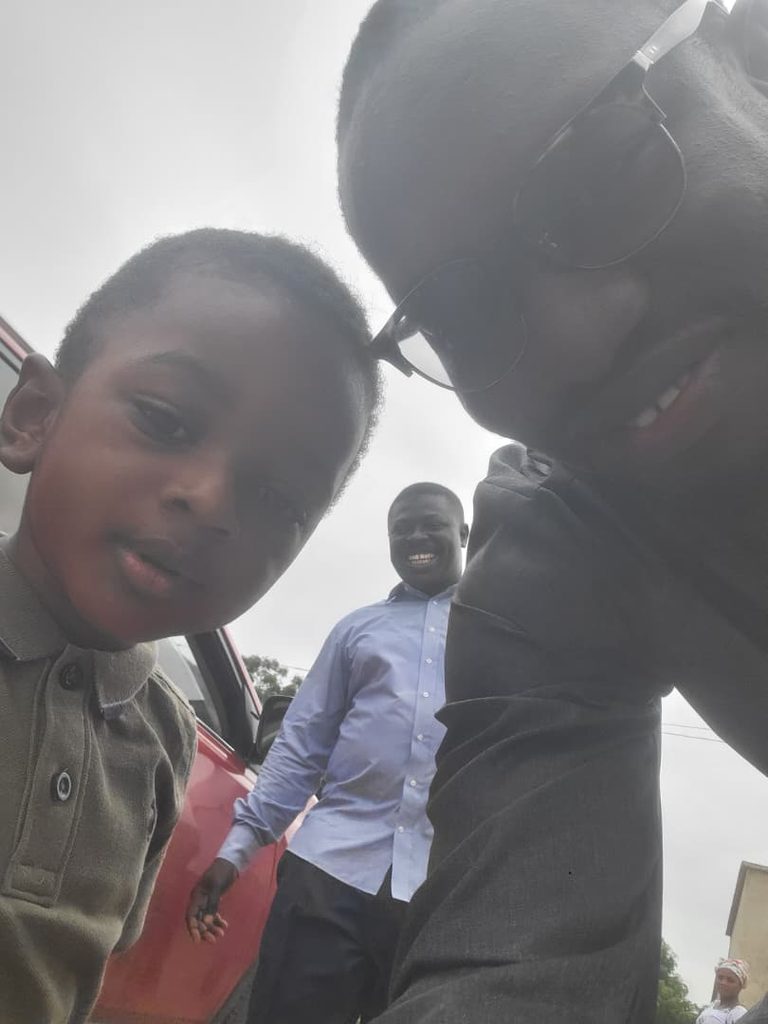
On Wednesday, July 15, 2026, I had the opportunity to travel to Ghana again for another preaching trip. This time, I was privileged to work alongside brethren Wayne Seaton and Stephen Walker, both preachers from Tennessee, USA. The three weeks of preaching provided numerous opportunities to preach the gospel publicly and privately, conduct door-to-door evangelism, teach men’s training classes, participate in lectureships, strengthen congregations, and discuss important biblical subjects with both Christians and denominational people.
This trip was also a continuation of the preaching work I had previously done in Ghana. Having visited Ghana in 2024 and again in 2025, I was particularly encouraged to return to some of the places and brethren with whom I had worked before. It was encouraging to see familiar faces and to observe the continued efforts of brethren to spread the truth. As always, I am grateful to God for the opportunity to preach His word and for the brethren who made the work possible. What follows is a record of the work during this trip.
Arrival in Ghana and the Journey to the Oti Region
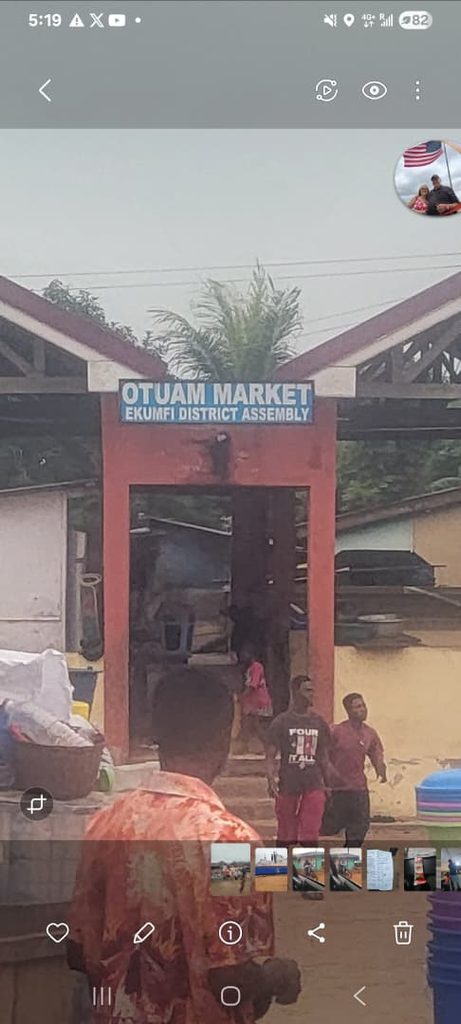
On Wednesday, July 15, I arrived at Accra International Airport at about the same time as Wayne and Stephen (7:15am). We were met at the airport by Benjamin Nkrumah and Felix Adjei. It was good to see Felix and Benjamin again, as they are preachers of the gospel I had worked with in my previous trips to Ghana. Felix is a preacher at Otuam while Benjamin preaches at Sun City in Buduburam. Benjamin Nkrumah would serve as our driver throughout the portion of the trip in which we travelled together.
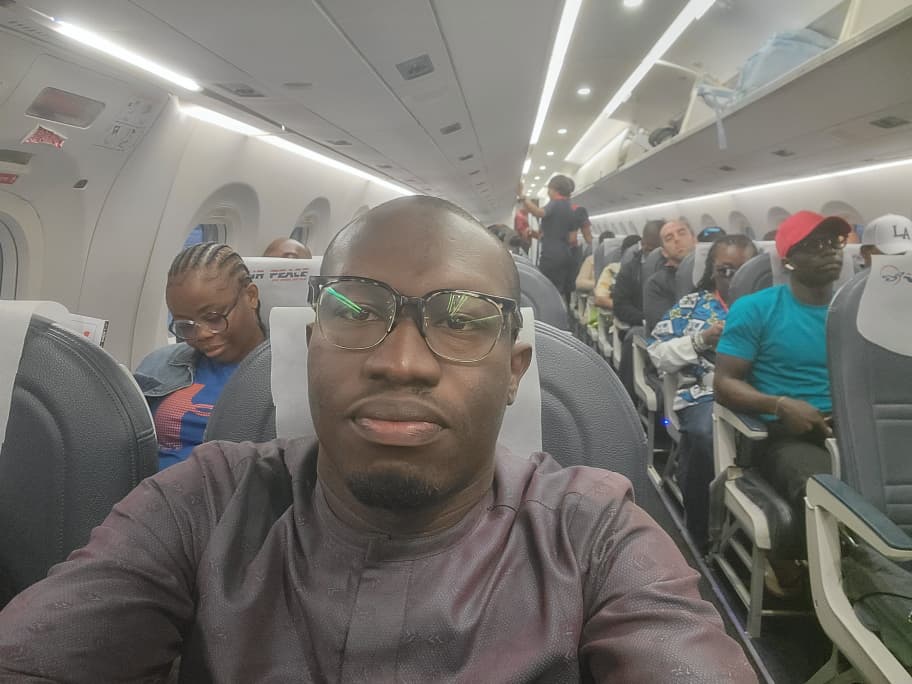
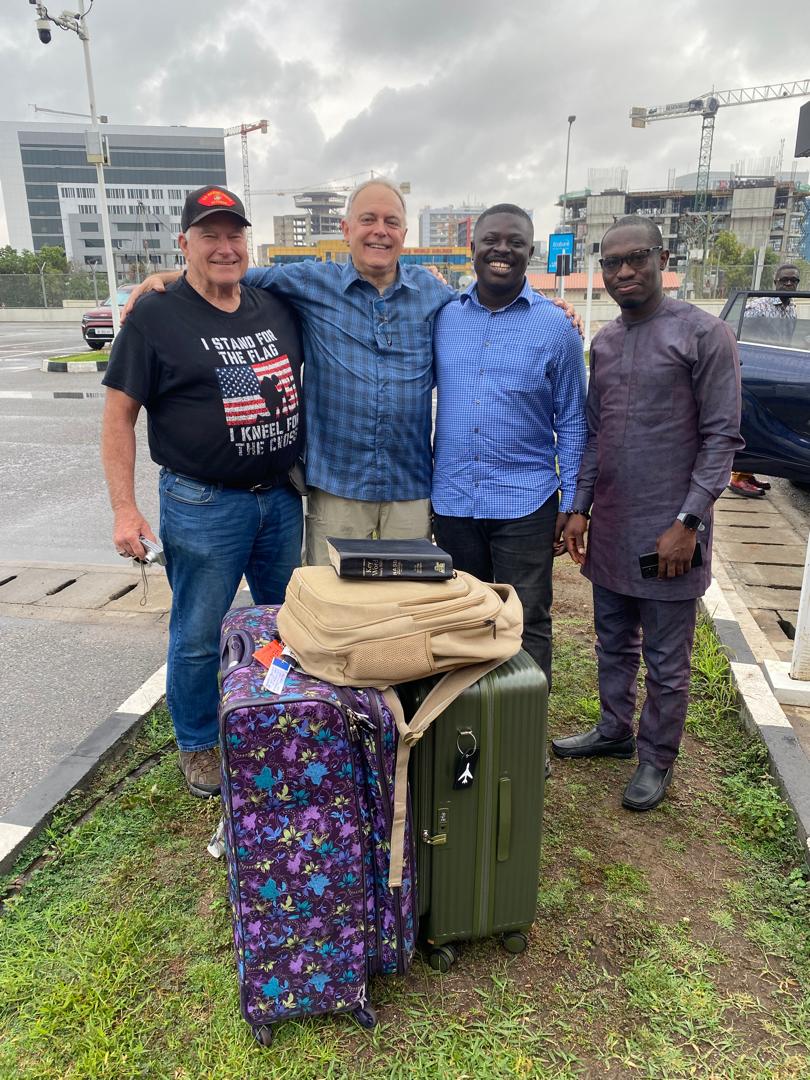
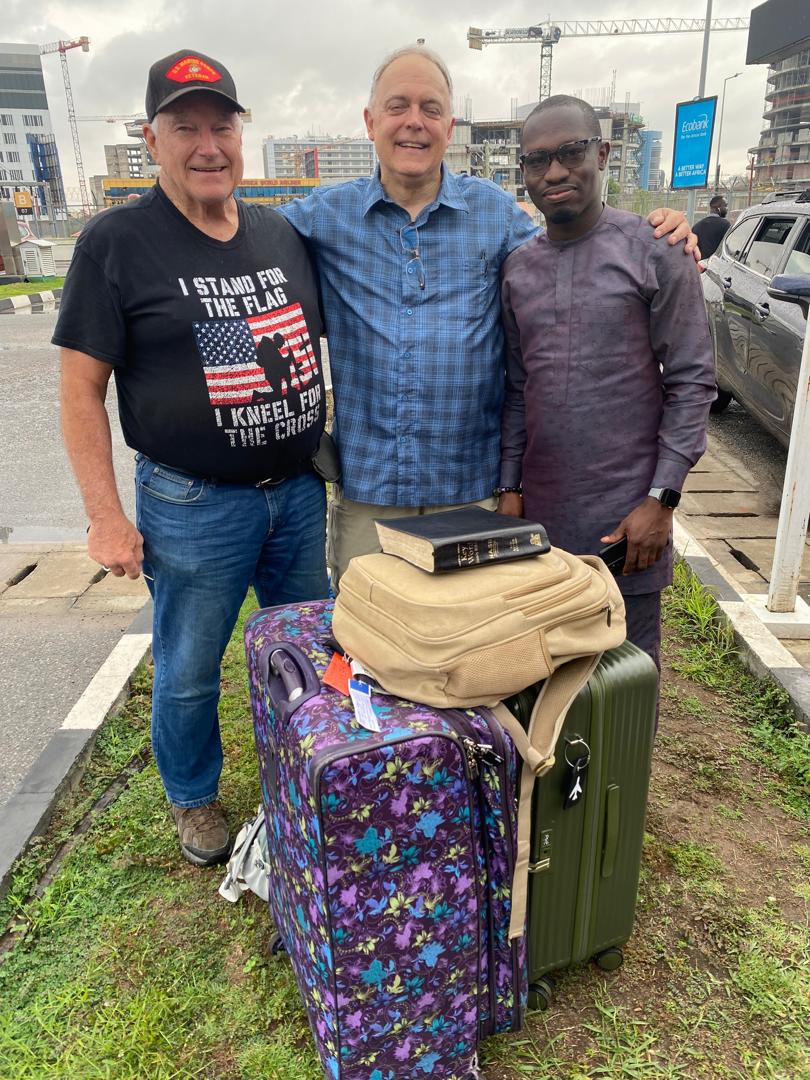
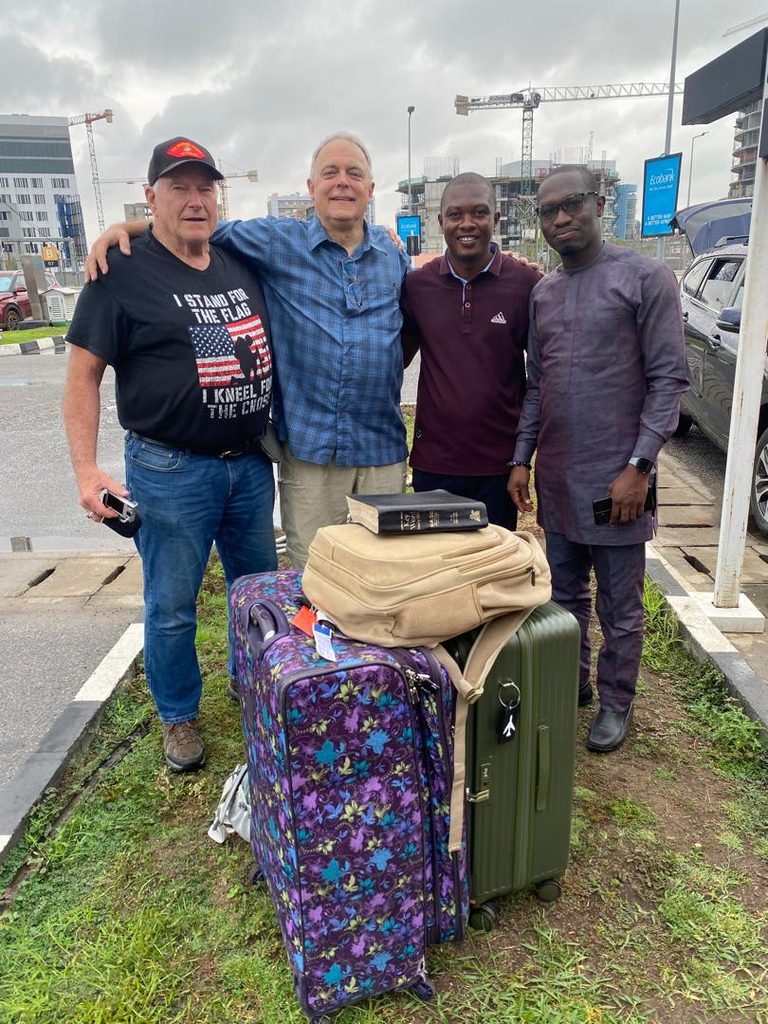
Shortly after we arrived at the airport, Felix returned to Otuam while Wayne, Stephen, Benjamin, and I began the long journey from Accra to the Oti Region to meet and work with brother Divine Agede. The journey took virtually the entire day by road, but we eventually arrived in Kadjebi in the evening. Divine, who preaches in the area, welcomed us. Although we had travelled all day, there was no lengthy period of rest before the preaching began. That evening, I travelled to Papasi for street preaching. I spoke on God’s Plan of Salvation, presenting the Bible’s teaching concerning man’s need for salvation and God’s plan for obtaining it. It was a fitting way to begin the trip: we had come to Ghana to preach the gospel, and we began the work almost immediately after arriving in the region.
Work in Kadjebi and Jasikan
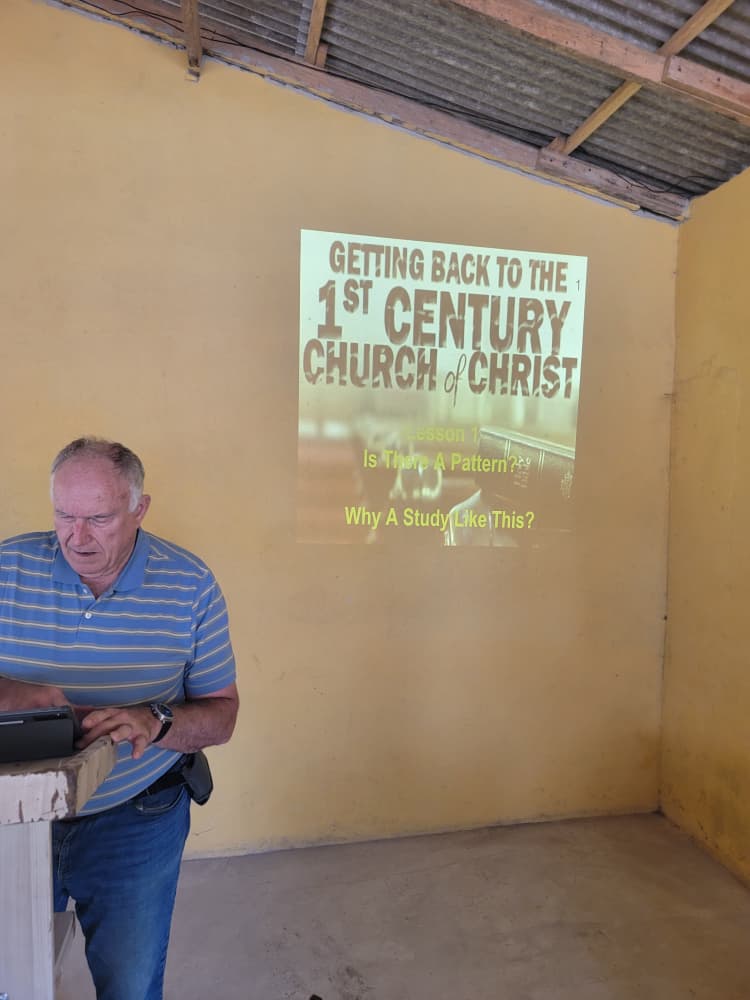
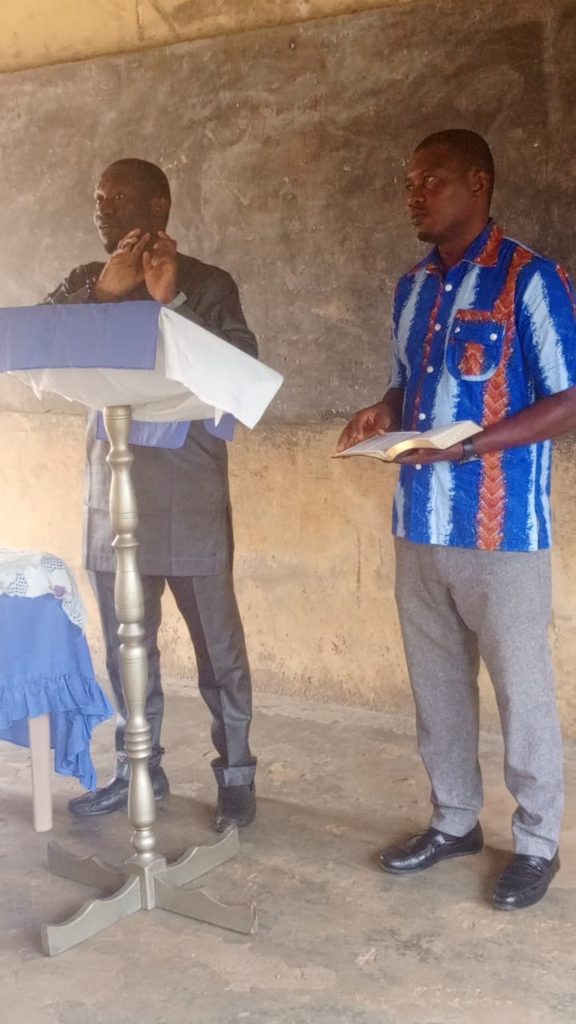
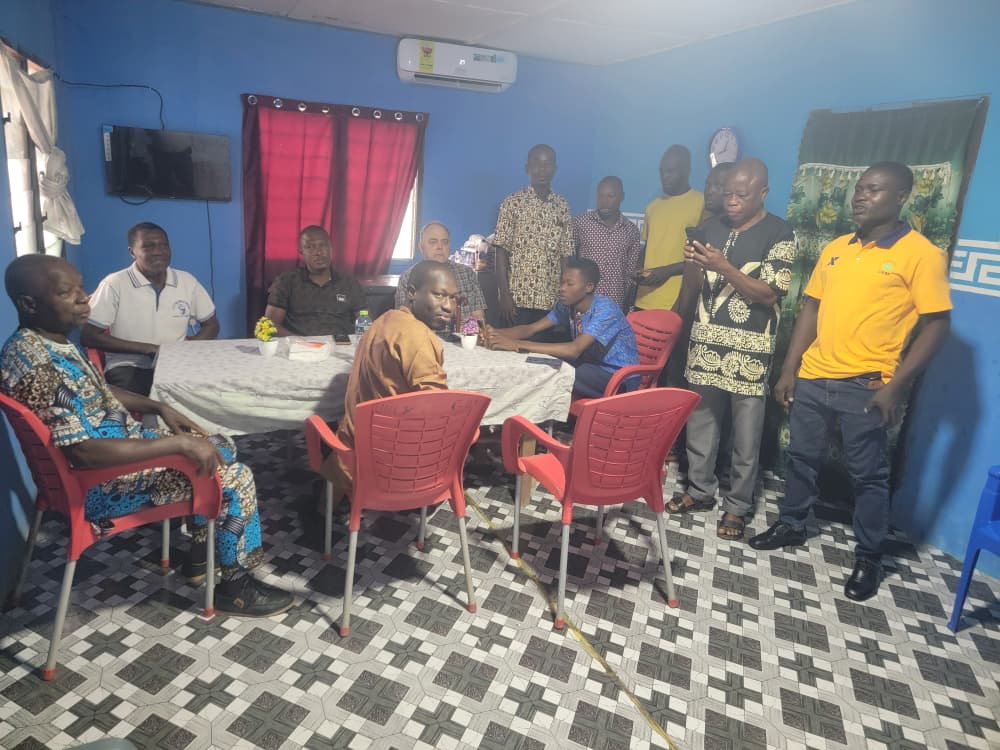
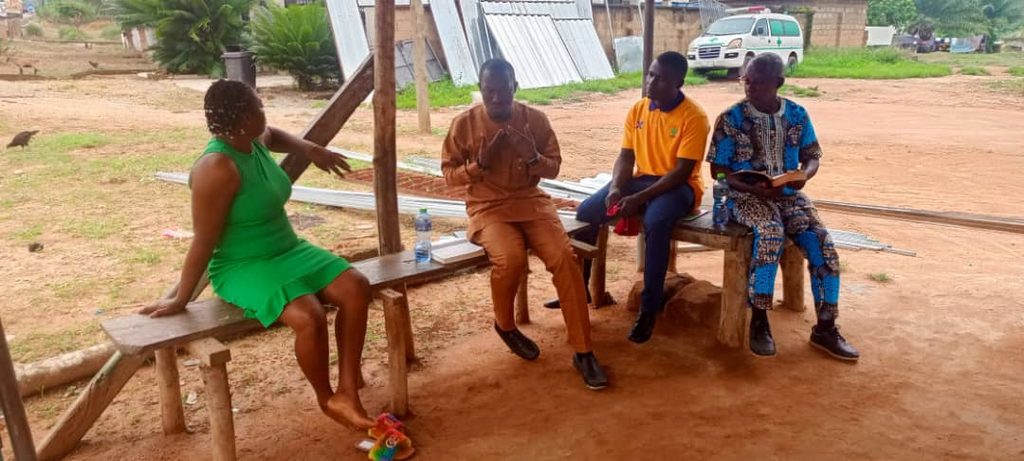
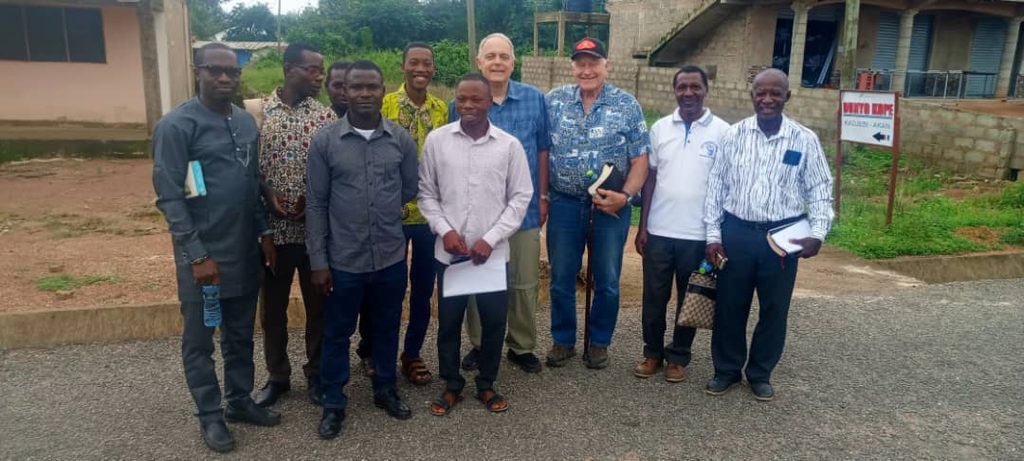
On July 16, we held a men’s training class at the Jasikan Road church of Christ in Kadjebi. This is the church where Divine Agede preaches. A good number of men were in attendance, and we spent the day studying important questions concerning biblical authority. Stephen taught on CENI—Command, Example, and Necessary Inference. Wayne presented a lesson on The Thunderous Silence of God, while I taught on Generic and Specific Authority. These subjects were particularly appropriate because many religious disagreements ultimately come down to the question of what the Bible authorizes. We emphasized the need to respect both what Scripture teaches and what it does not authorize. In the evening, we conducted street preaching at different locations around the Kadjebi and Jasikan Road areas. The opportunity to preach publicly allowed us to take the gospel beyond the walls of the meeting place and into the community.
The following day, July 17, we continued the men’s training. Wayne spoke on the History of Institutionalism, while I taught on Individual and Church Action. Stephen taught on Authority in Evangelism and Benevolence. During the discussions, questions arose concerning the proper use of the Lord’s funds. We emphasized that the church’s treasury must be used according to the authority of God’s word. The New Testament shows the church engaging in the preaching of the gospel (Philippians 4:15–18; 1 Corinthians 9:11–14), the edification of its members (Ephesians 4:11–16), and the relief of needy saints under the circumstances authorized by Scripture (1 Timothy 5:16). We also discussed institutionalism and emphasized the all-sufficiency of the church. The church that Christ established is sufficient to accomplish the work God has given it. There is therefore no need to create human institutions to take over the work God assigned to the church.
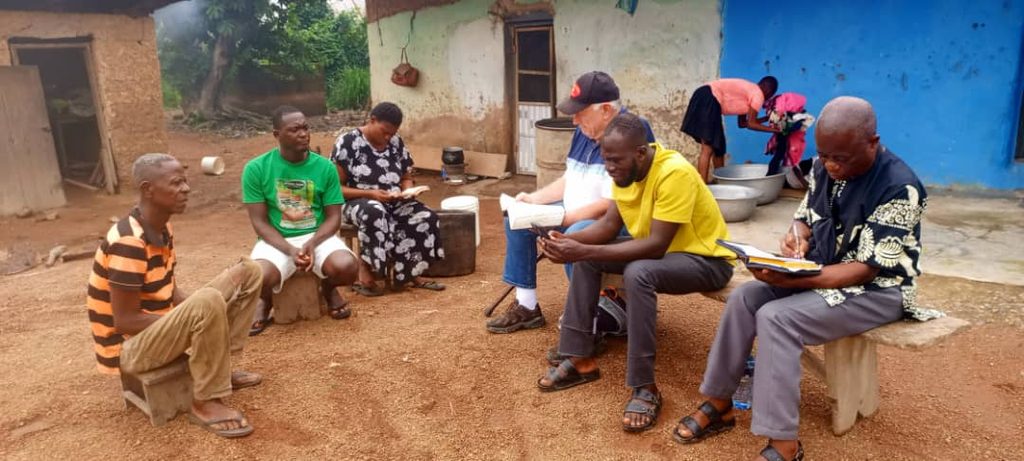
On July 18, we devoted the day primarily to door-to-door evangelism in the Jasikan area. This provided opportunities to meet people personally, discuss the Scriptures, and invite them to consider the claims of the gospel.
Sunday Worship and Continued Teaching
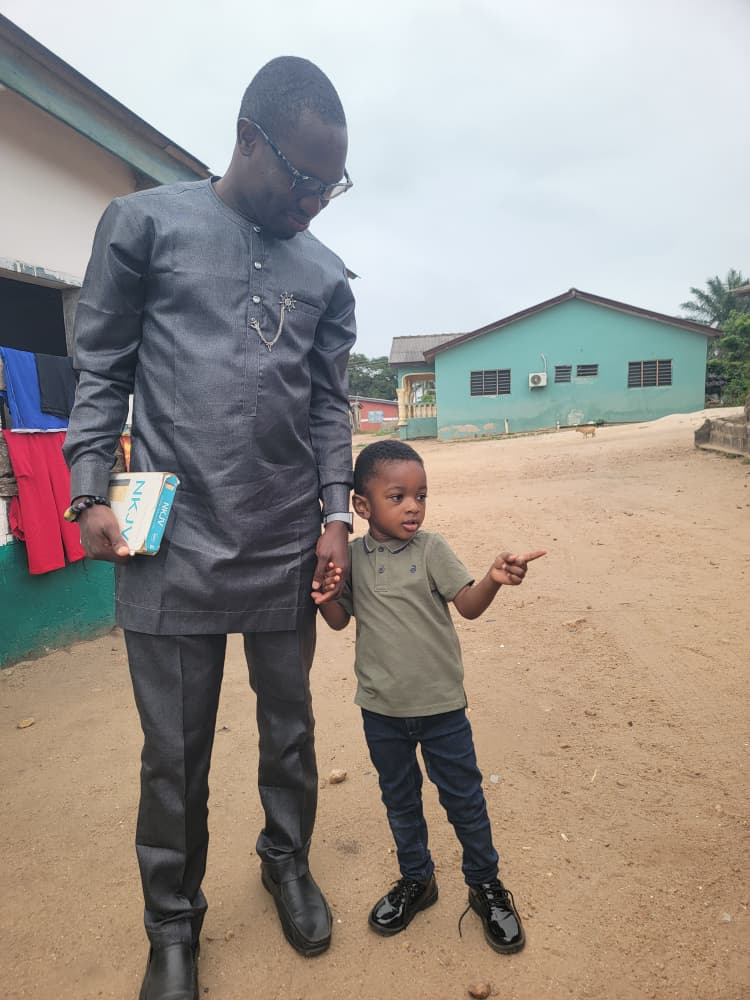
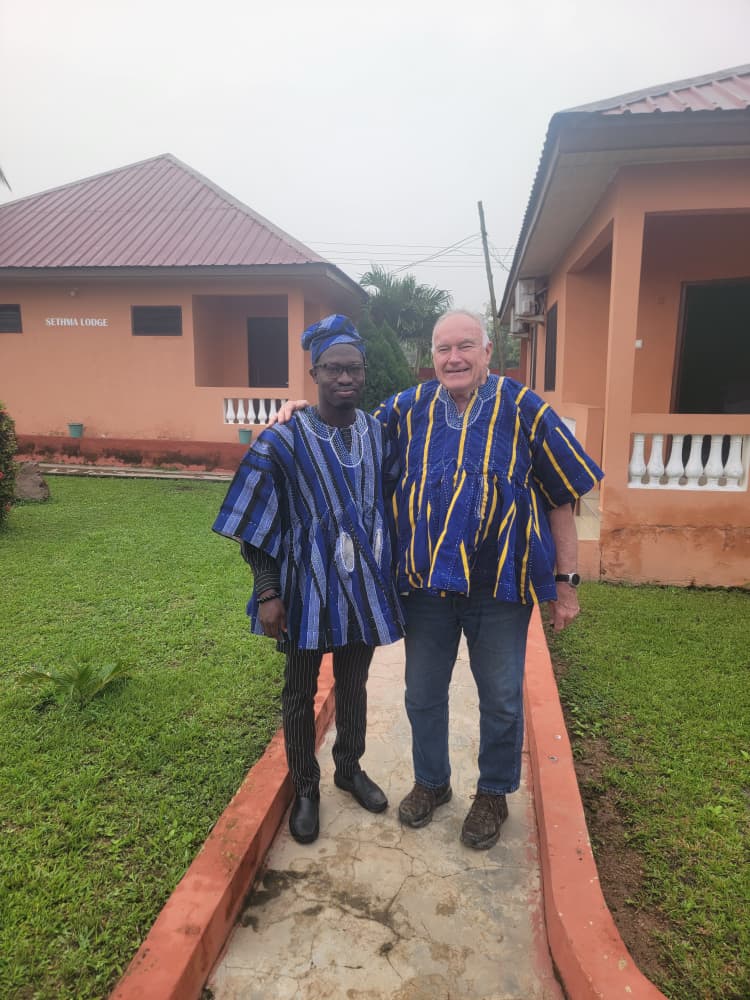
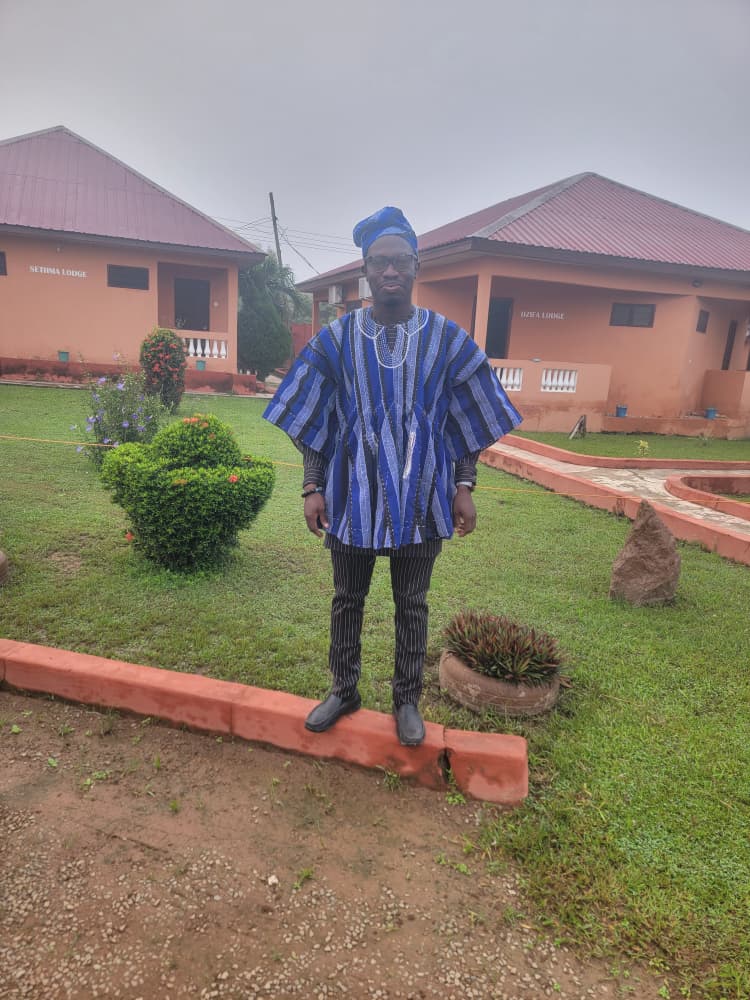
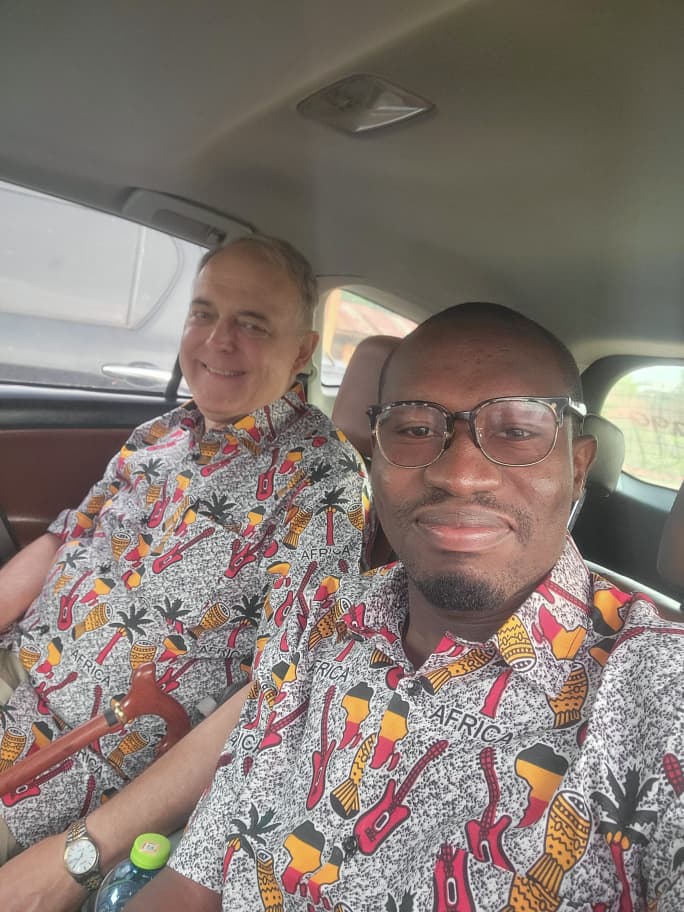
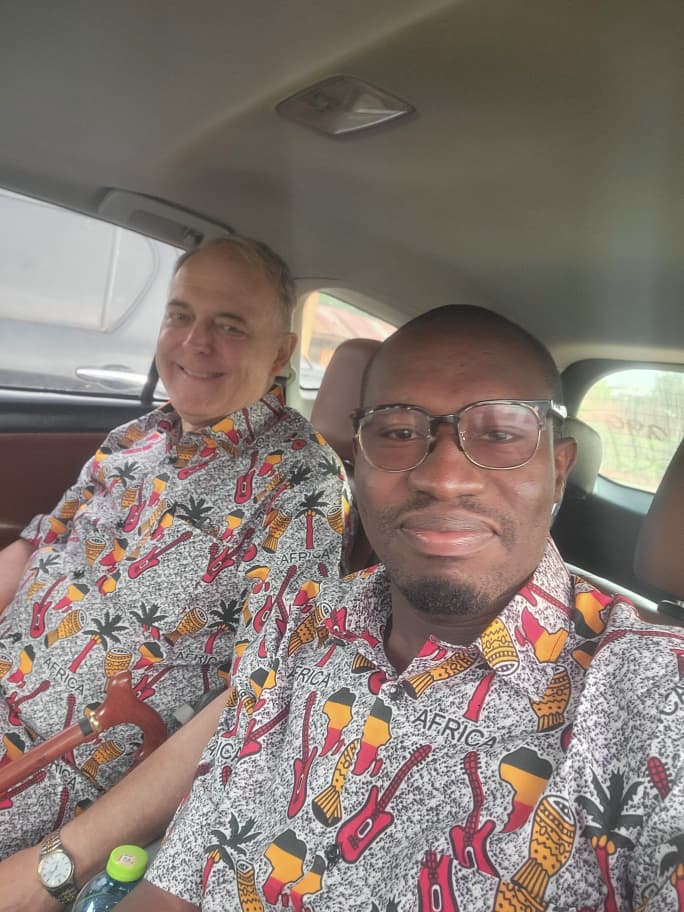
Sunday, July 19, provided another opportunity for us to work in different congregations. Stephen preached at the Jasikan Road church of Christ, while I worshipped and preached a sermon at the Jasikan church of Christ. I spoke on Commitment. The preaching went well, and I was encouraged by the reception of the message. The brethren received the lesson well and expressed their appreciation. On this day, Divine also presented each of the three of us with a beautiful Ghanaian cloth. I wore mine when I preached that Sunday. It seems that the outfit made me look Ghanaian!
On July 20, we continued our teaching program. Stephen taught on Marriage, Divorce, and Remarriage (MDR), Wayne taught on Polygamy, and I taught on Fellowship. In my lesson on fellowship, I sought to establish from Scripture what biblical fellowship is and what it is not. This is an important subject because the concept of fellowship is sometimes broadened beyond what the New Testament teaches. In the evening, I participated in public preaching at Kadjebi, where I taught on Bible Dispensations. We considered the different dispensations through which God has dealt with mankind and the importance of understanding the distinction between the Patriarchal, Mosaic, and Christian dispensations.
Door-to-Door Evangelism and a Conversation with a Denominational Woman
On July 21, we returned to door-to-door evangelism. I had the opportunity to speak with three different people. One particularly memorable conversation was with a woman associated with the Deeper Life Bible Church. She was very welcoming and seemed particularly excited to speak with a Nigerian because her church and its General Overseer have Nigerian origins. Our discussion eventually turned to the question of the church. We emphasized that the more important question is not whether a church has a Nigerian, Ghanaian, American, or any other earthly origin. The important question is whether it is the church that Christ established. The church revealed in the New Testament began in Jerusalem, according to Christ’s prophecy in Luke 24:46–47 and the fulfillment recorded in Acts 2. The gospel was to go forth from Jerusalem, and the Lord added those who were saved to His church (Acts 2:41, 47). Unfortunately, although the woman was courteous and receptive to the conversation, she appeared determined to continue following the doctrines of her denomination. Nevertheless, the opportunity to plant the seed of God’s word was valuable. That evening, I preached publicly at the Jasikan Road church of Christ on the Three Dispensations, continuing our emphasis on understanding God’s different dispensational arrangements.
Moving to Otuam
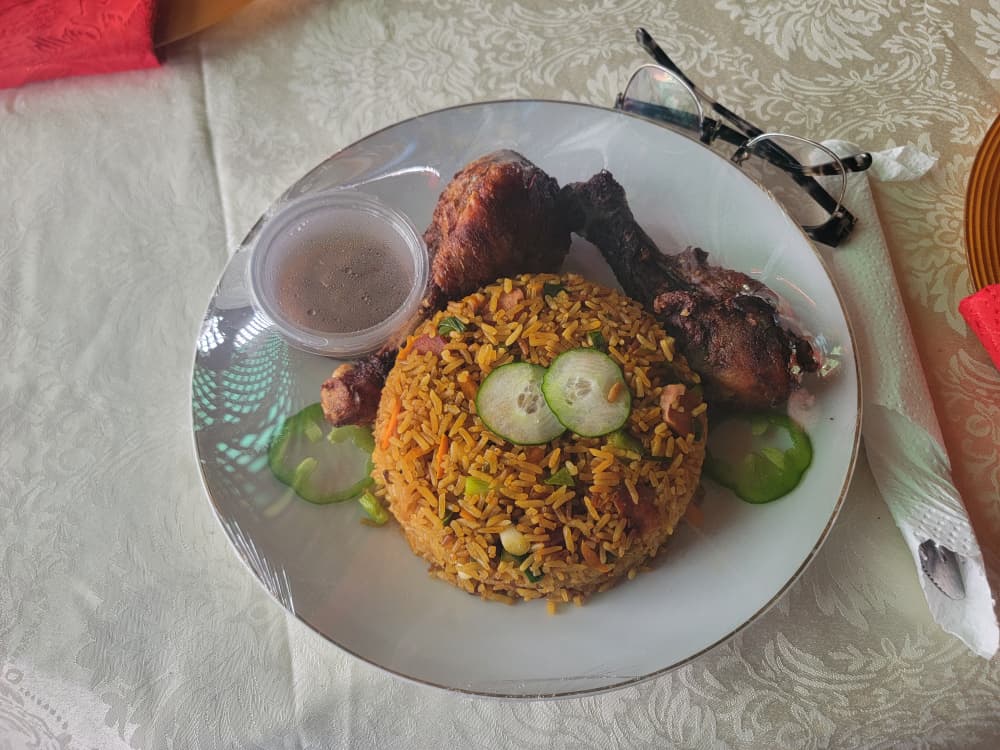
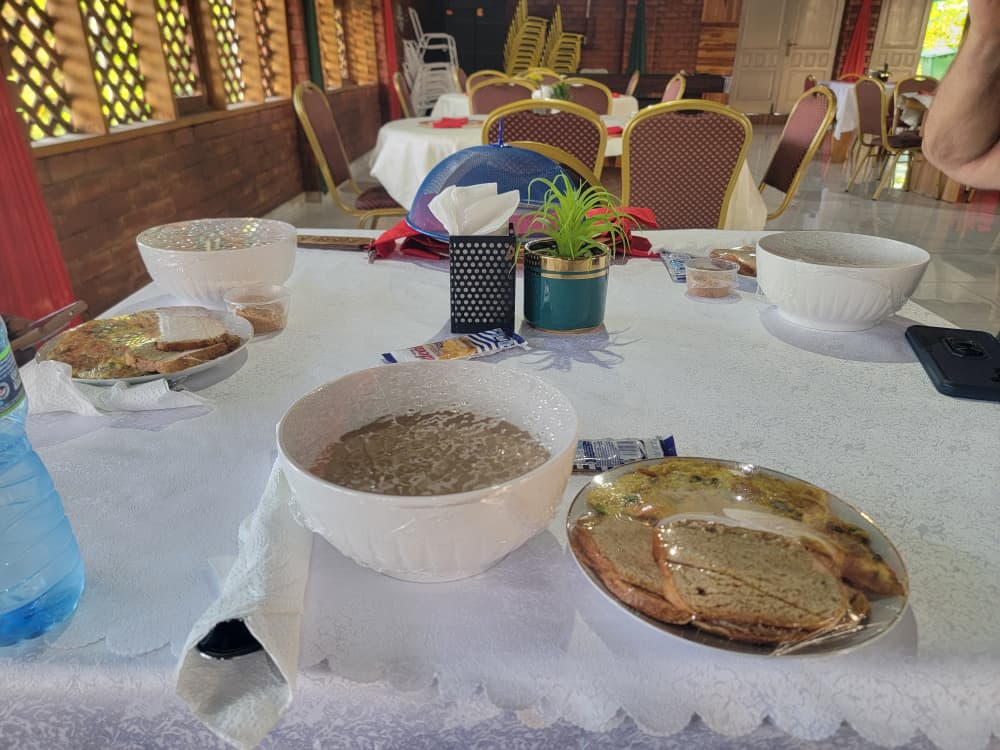
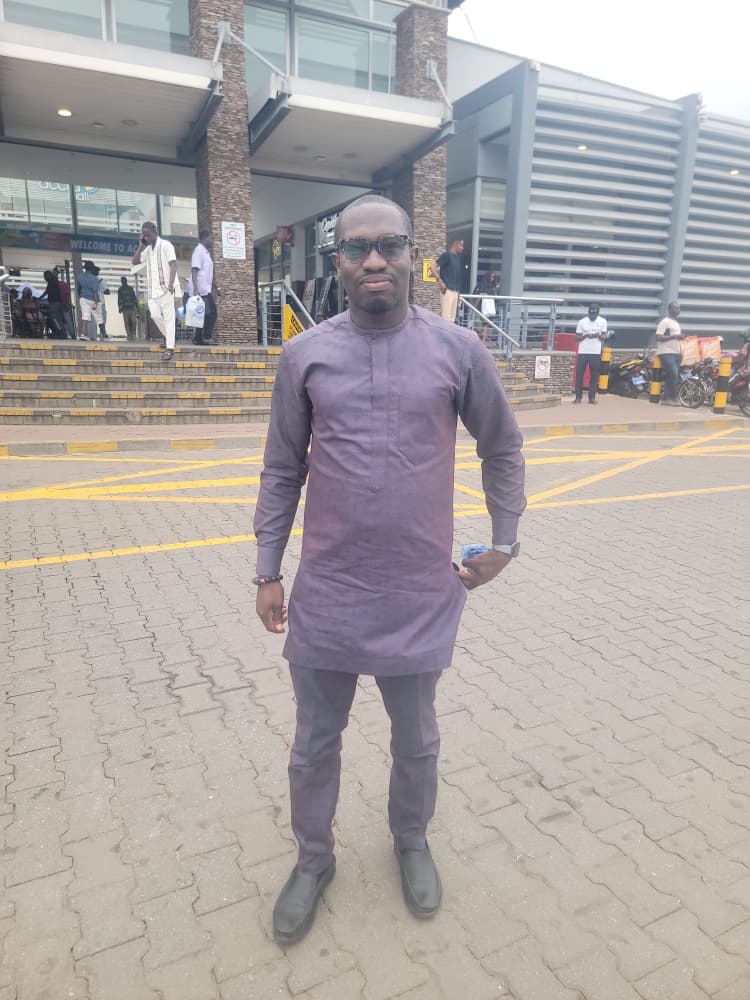
On July 22, we left the Oti Region to begin the next phase of our work in the Otuam area, where Felix Adjei preaches. Wayne, Stephen, Benjamin, and I travelled throughout the day to Ekumfi Dunkwa, where we would lodge for the next several days while working in the Otuam area. We stopped at Accra Mall along the way to eat before continuing our journey.

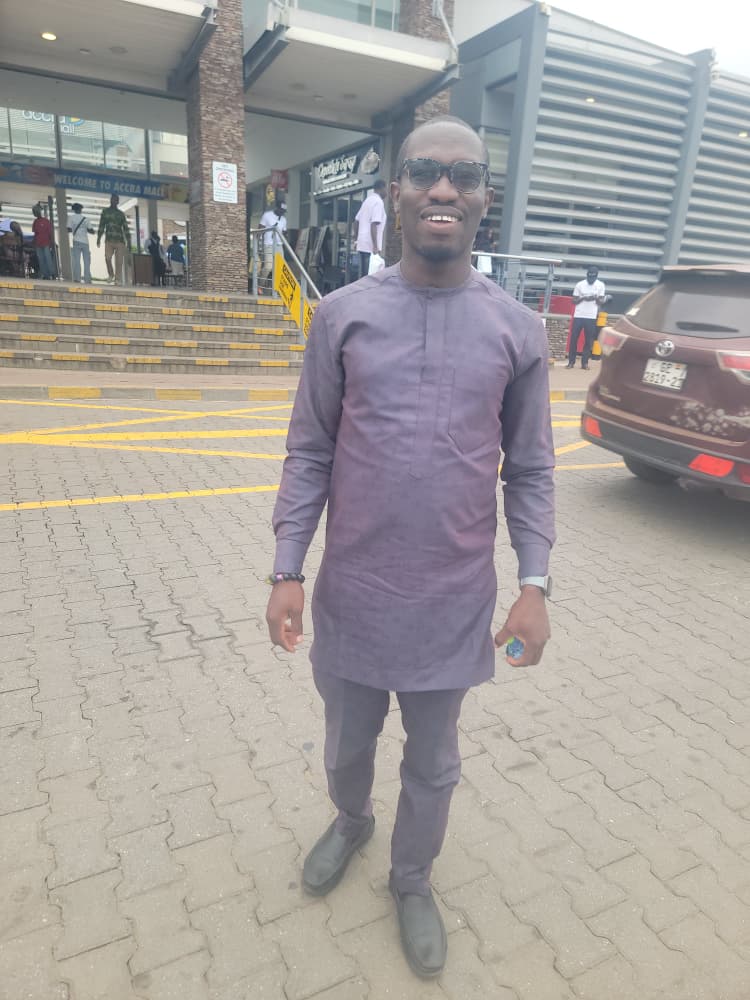
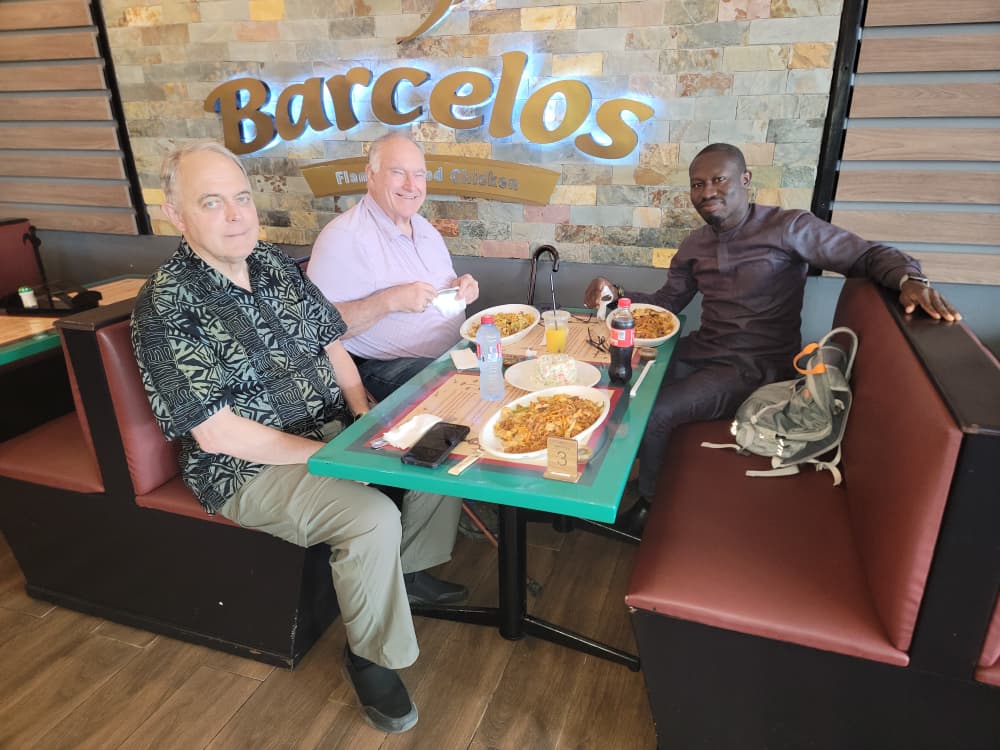
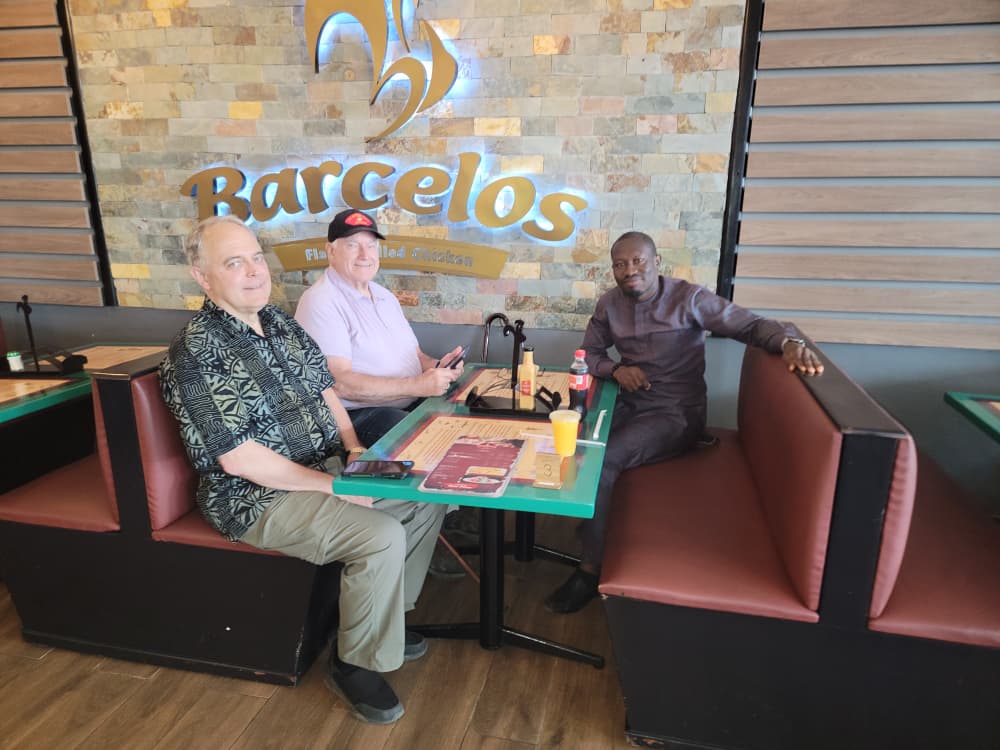
We eventually arrived at Bawansah Cottage in Ekumfi-Ebuakwa, where we lodged. The following day, July 23, marked an important transition in the trip. Stephen travelled with Benjamin to Cape Coast. Benjamin, who had been serving as our driver, took Stephen there and then returned to Otuam. Stephen would remain in Cape Coast for the next two weeks to continue preaching there. This was the last time I saw Stephen during this particular trip.
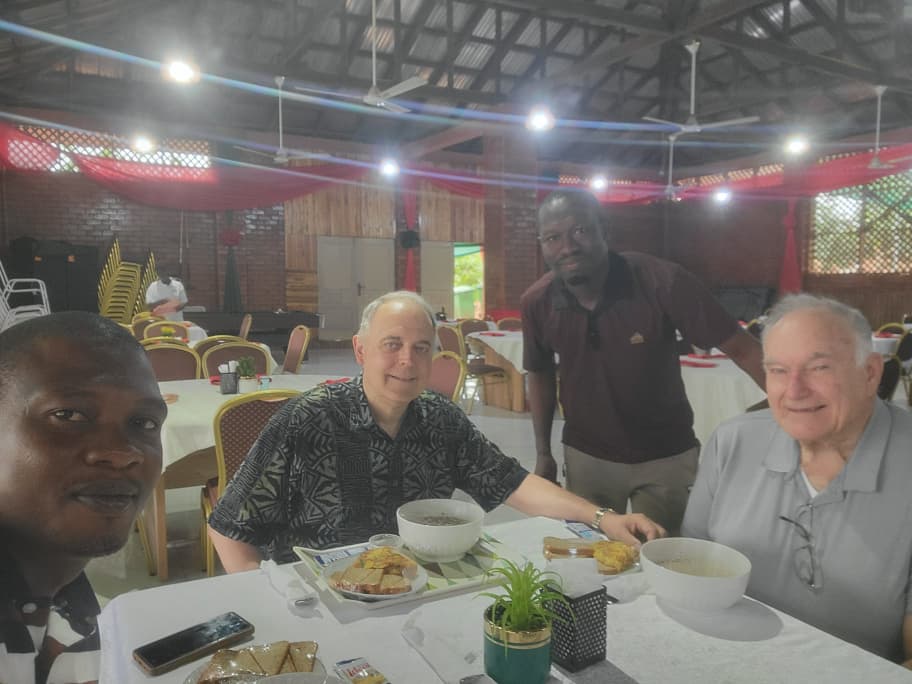
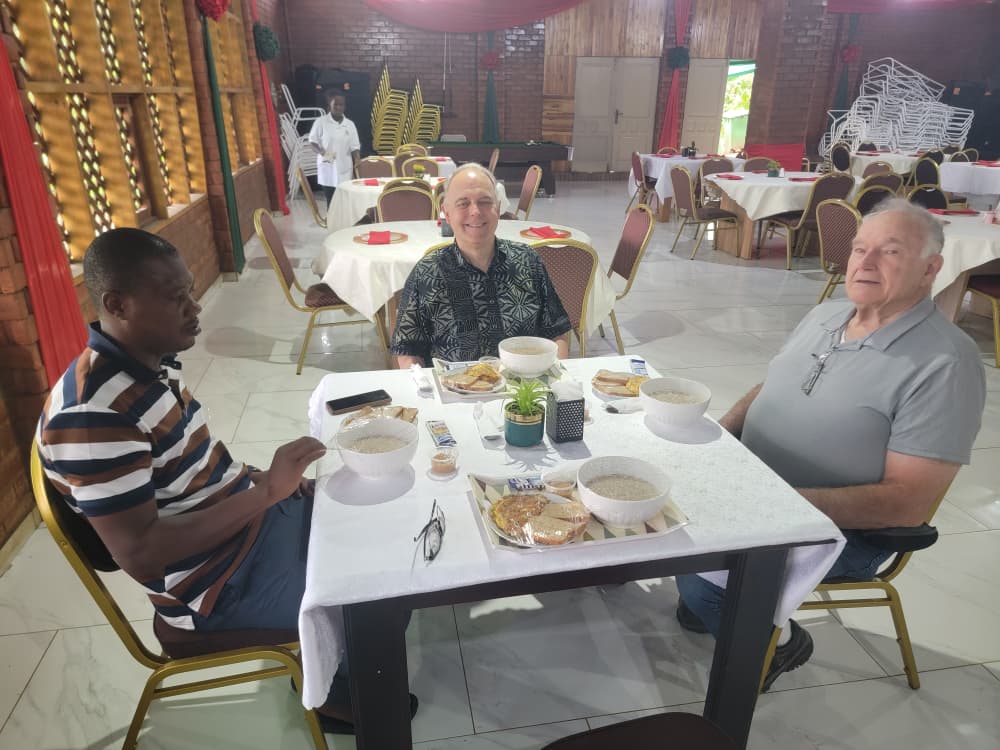
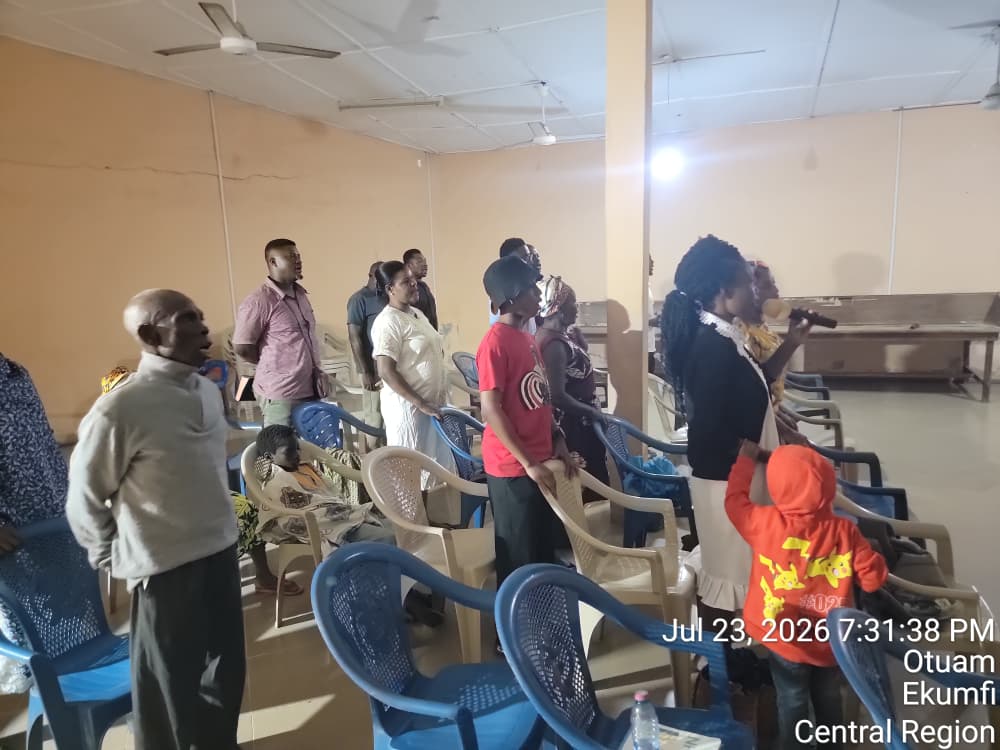
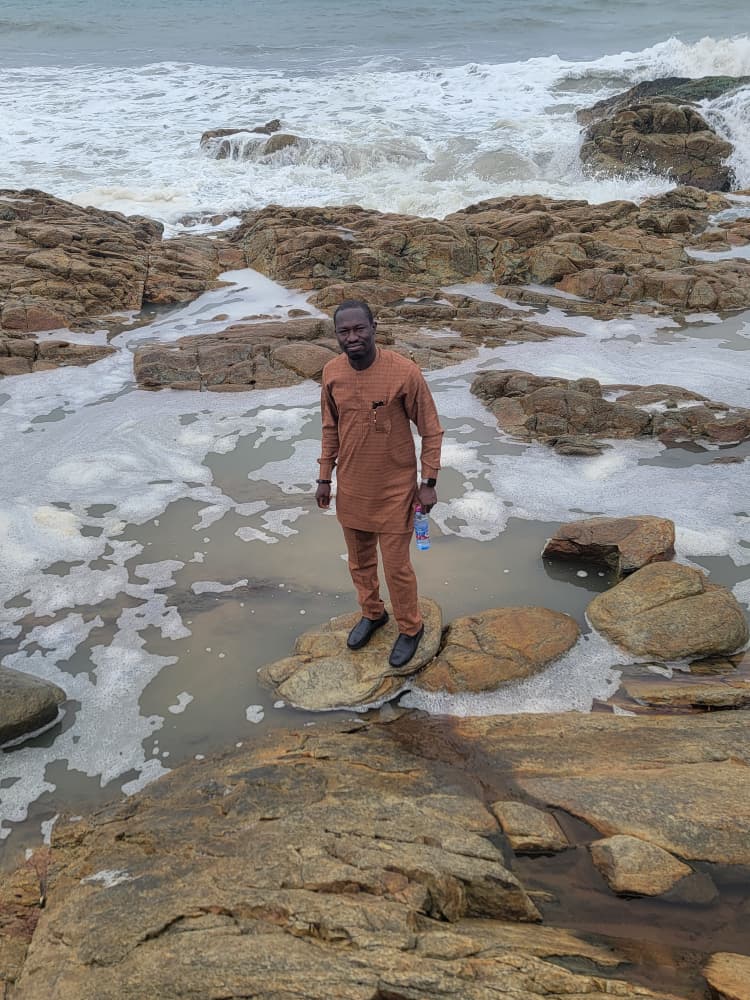
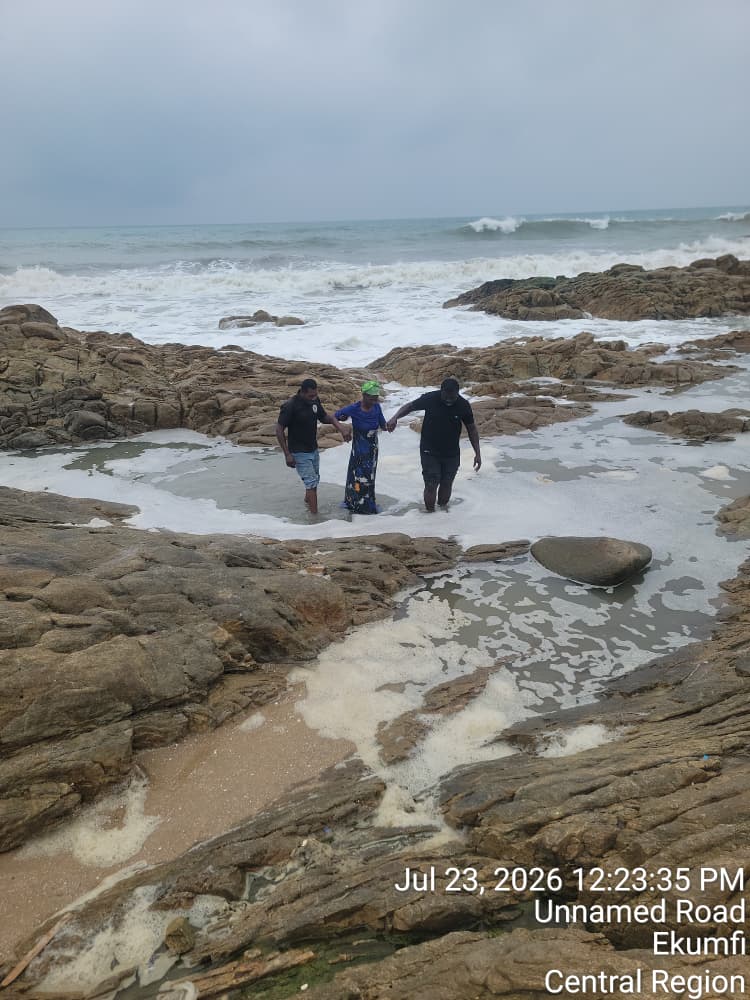
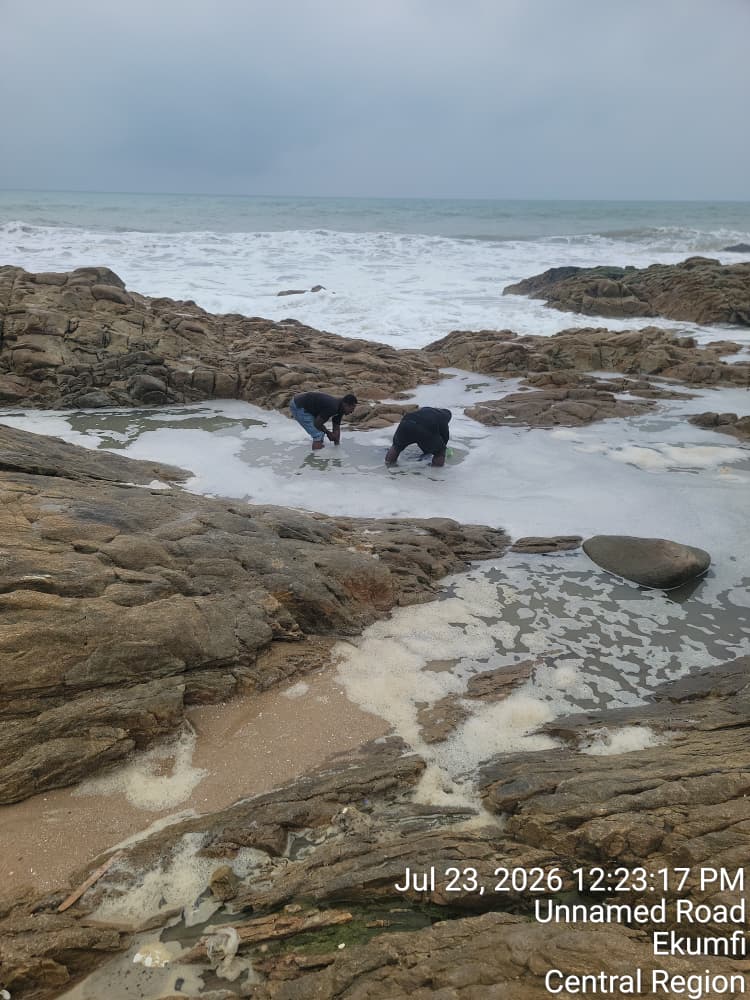
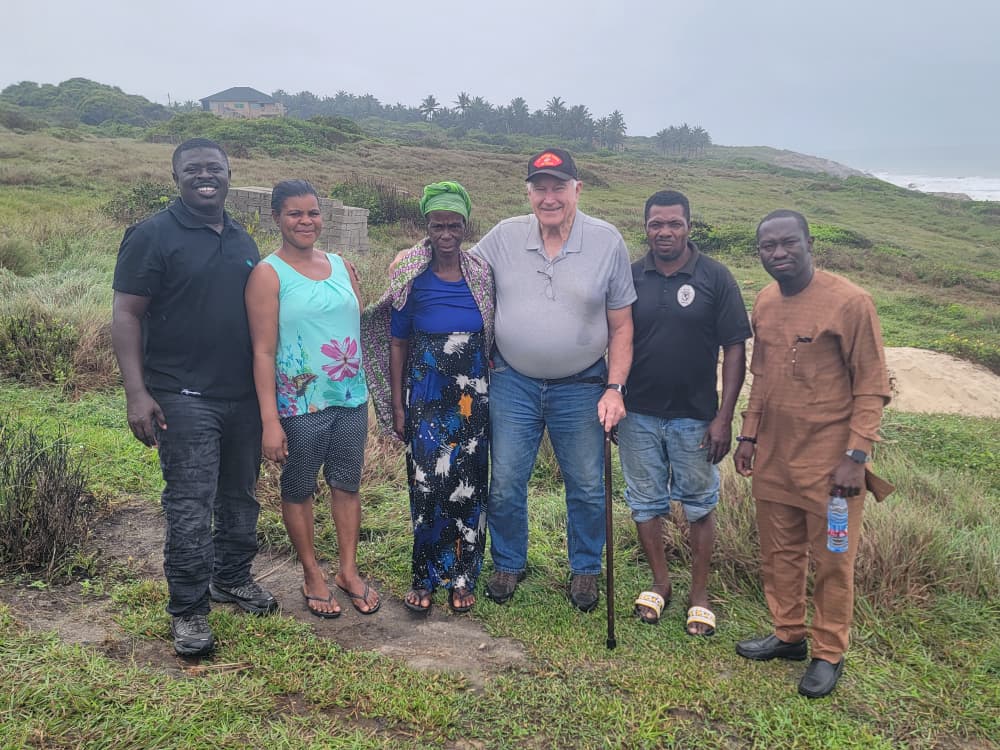
Wayne and I, together with Felix and Benjamin, continued the work in the Otuam area. That morning, we engaged in door-to-door evangelism. Among those we visited were the sister and mother-in-law of John Arthur, whom I had met during my 2024 Ghana preaching trip. It was encouraging to return to people and places with which I had previously established relationships. One of the women, Afua, responded to the gospel and was baptized. Her baptism was a particularly encouraging moment in the trip. It reminded us of the importance of personal evangelism. Door-to-door preaching may sometimes appear slow or insignificant, but conversations in homes can lead to people hearing and obeying the gospel. Later that day, I preached at the Otuam church of Christ on The Proper Use of the Lord’s Money. Wayne preached publicly at Ekumfi-Asaman on The Church.
Stephen’s Work in Cape Coast
After Stephen travelled to Cape Coast, he continued preaching there while Wayne, Felix, Benjamin, and I continued working in the Otuam area. On July 27, Stephen sent me a message informing me that they had already had three baptisms through the preaching work in Cape Coast. I was greatly encouraged by this report. Although I was no longer with Stephen and therefore did not personally witness these baptisms, it was wonderful to hear that the preaching was producing fruit. These three baptisms added to the encouraging results of the broader preaching effort in Ghana. Stephen continued his work in Cape Coast for the following days before eventually joining Wayne in further preaching work in Ghana.
Preaching in Dago and Asaman
On July 24, we continued door-to-door evangelism, this time in Dago. In the evening, I preached at Asaman on Worship, while Wayne preached at Otuam on Commitment. Our goal throughout the trip was not merely to conduct preaching programs but to provide sound biblical instruction on subjects that were relevant to the congregations and communities where we worked.
The Proper Use of the Lord’s Funds
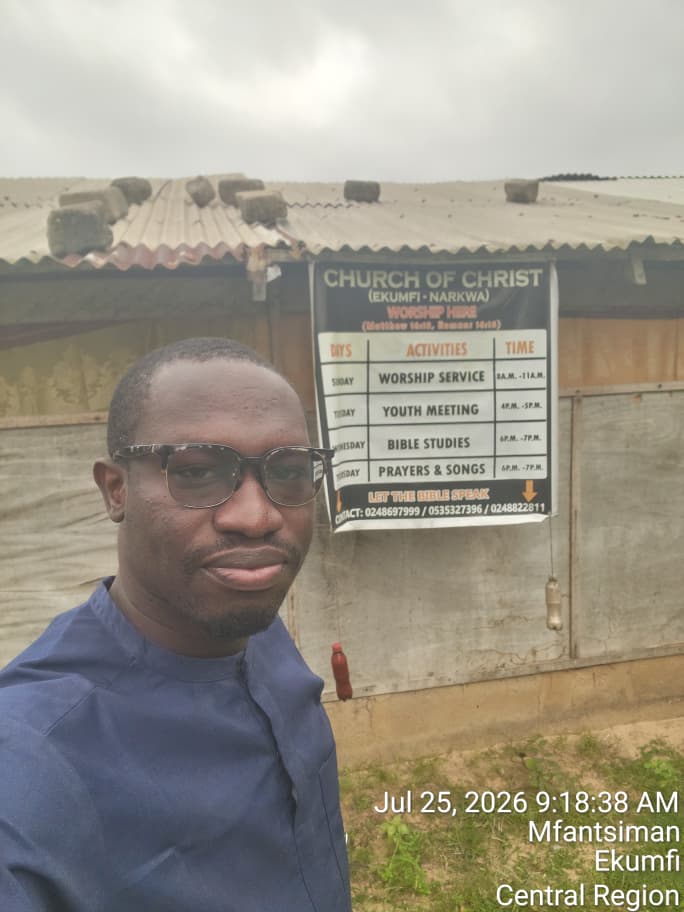
On July 25, I travelled to the Narkwa church of Christ, where I taught on The Use of the Lord’s Funds. Wayne remained at Otuam and taught on Fellowship. The lessons concerning the Lord’s funds were particularly necessary because we learned that there were questions and differences among some brethren in these areas concerning whether church funds could be used for activities such as funerals, weddings, and other ceremonies. We therefore emphasized the importance of distinguishing between the responsibilities of the individual Christian and the responsibilities of the local church. The fact that an activity may be good, useful, or religious in nature does not automatically mean that the local church is authorized to use its treasury for that activity. The church must operate within the authority of God’s word. The Lord’s funds are not simply a general fund for anything that Christians may consider beneficial. They must be used for the work God has given the church to do. This was one of the recurring themes of our preaching in the Otuam and surrounding areas.
Sunday Worship and a Women’s Lectureship
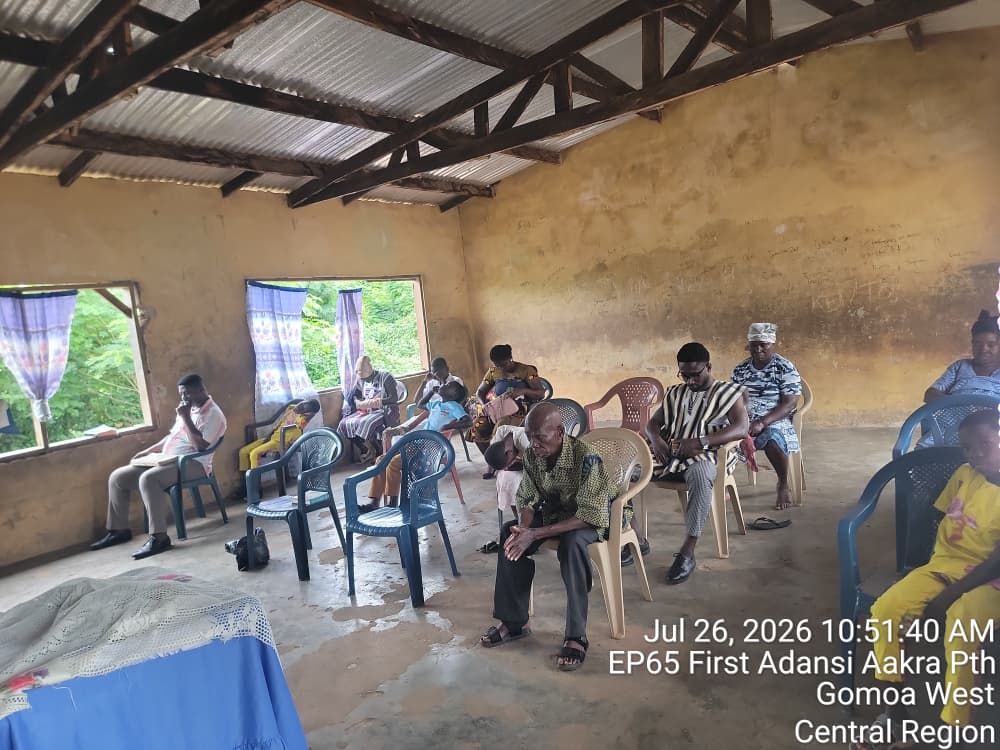
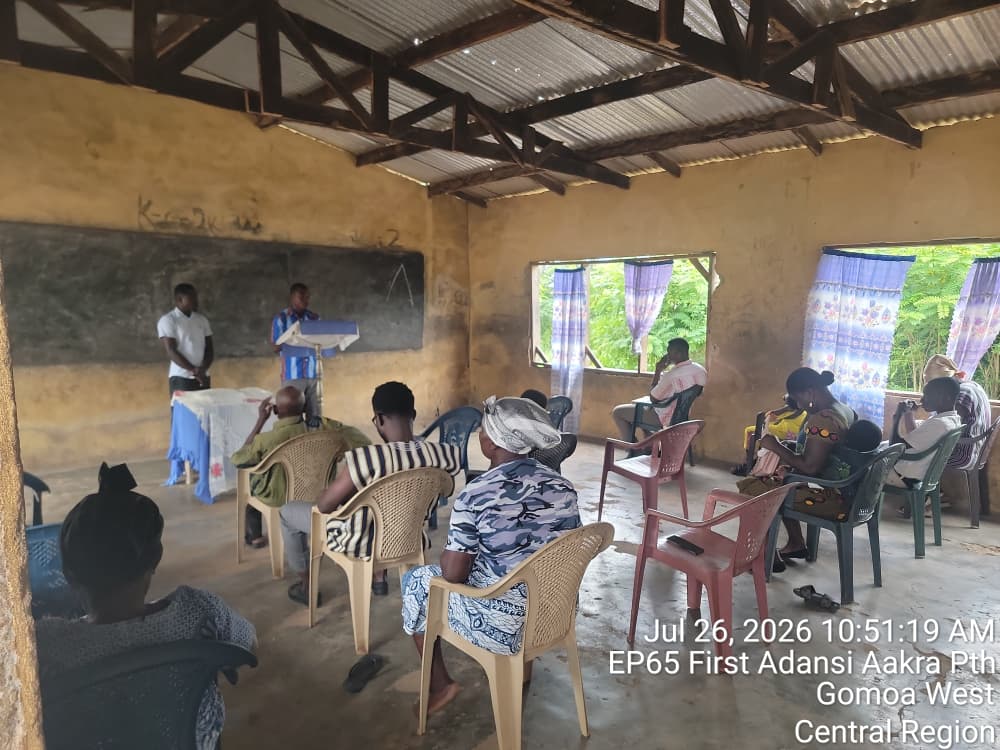
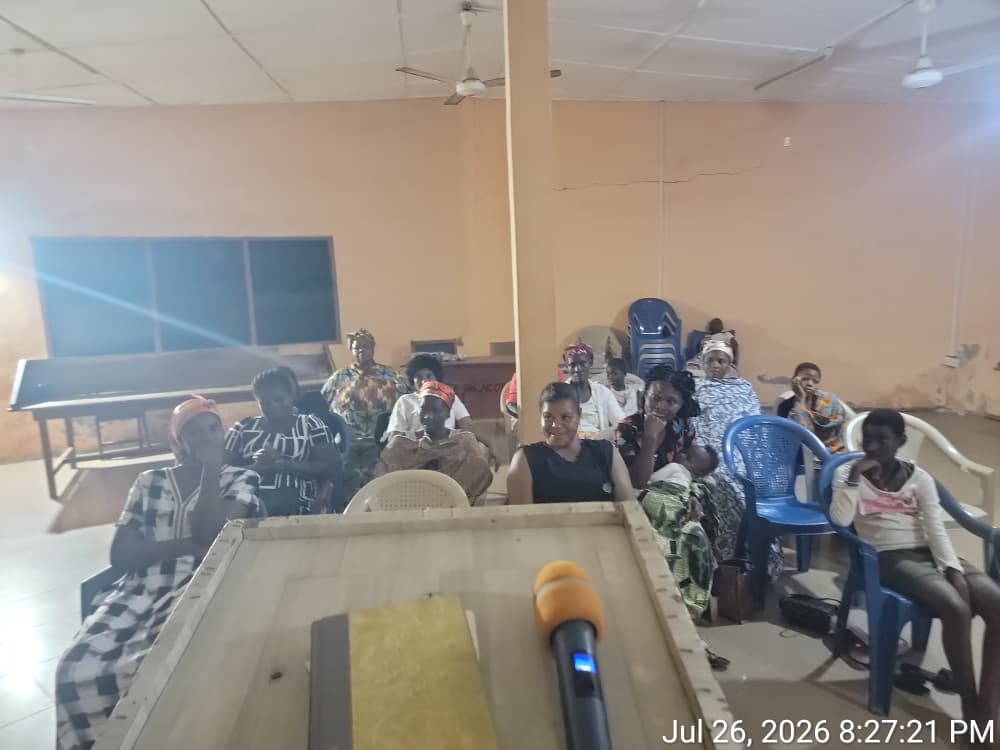
On Sunday, July 26, I worshipped and preached at Dago. My lesson was on The Church and Christian Individuals. In the lesson, I emphasized the distinction between the individual Christian and the local church and the distinction between their respective works. Although individual Christians make up the church, the individual Christian is not the church in his individual capacity. Scripture gives responsibilities to Christians individually and responsibilities to the local church collectively. Wayne worshipped and preached at Otuam. In the evening, we participated in women’s lectureships. Wayne travelled to Narkwa to speak at the sisters’ lectureship there, while I spoke at the sisters’ lectureship at Otuam. My lesson was Examples of Godly Women. We considered the examples of Sarah, Hannah, Dorcas, Priscilla, Phoebe, Eunice, and Lois. These women demonstrated faith, courage, service, hospitality, teaching, and devotion to God in different ways.
I was also happy to see brother Philip Eshun at Narkwa. I had met Philip during my 2024 trip and had worked with him briefly in Otuam. It was encouraging to meet him again and see his continued work. He is a good brother, and I was grateful for the opportunity to reconnect with him.
Men’s Training and Individual Versus Collective Action
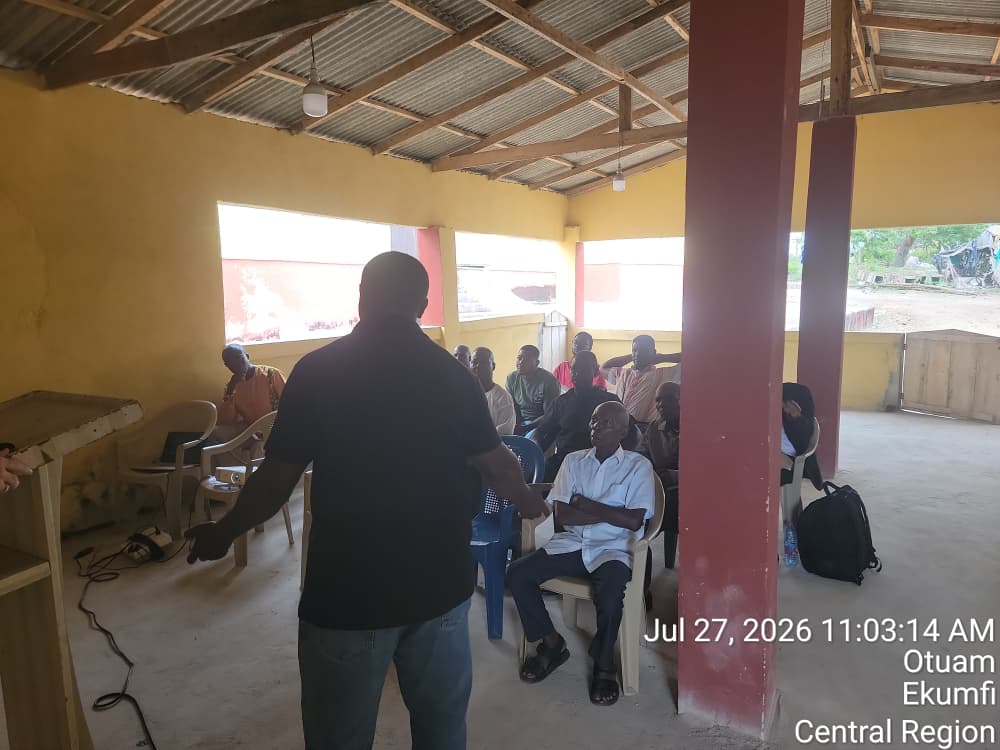
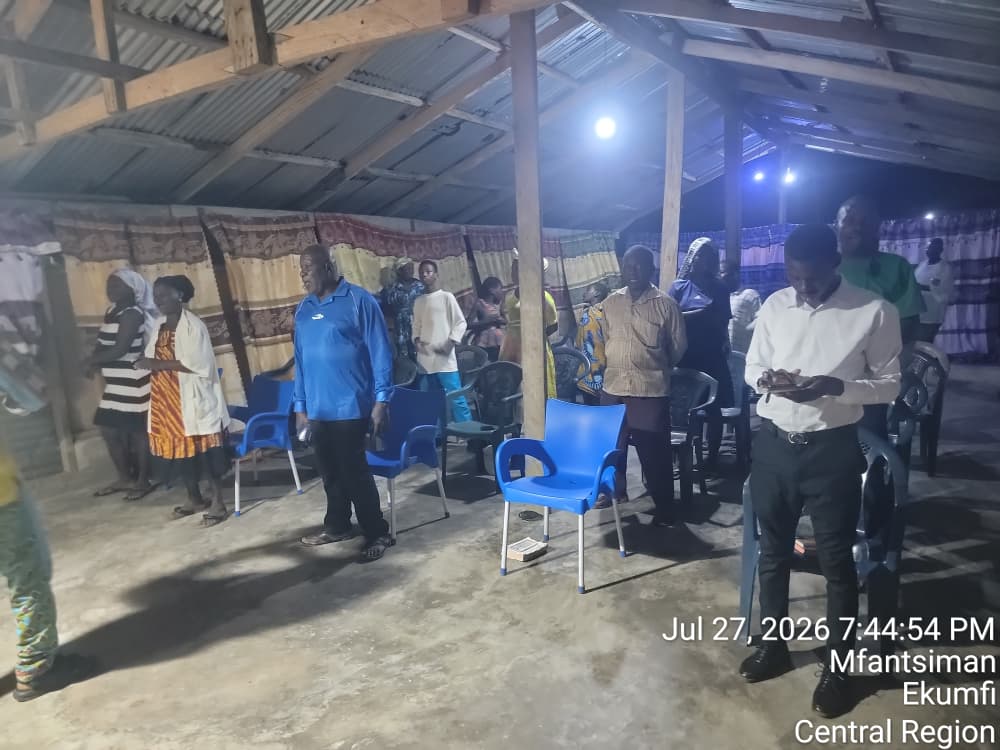
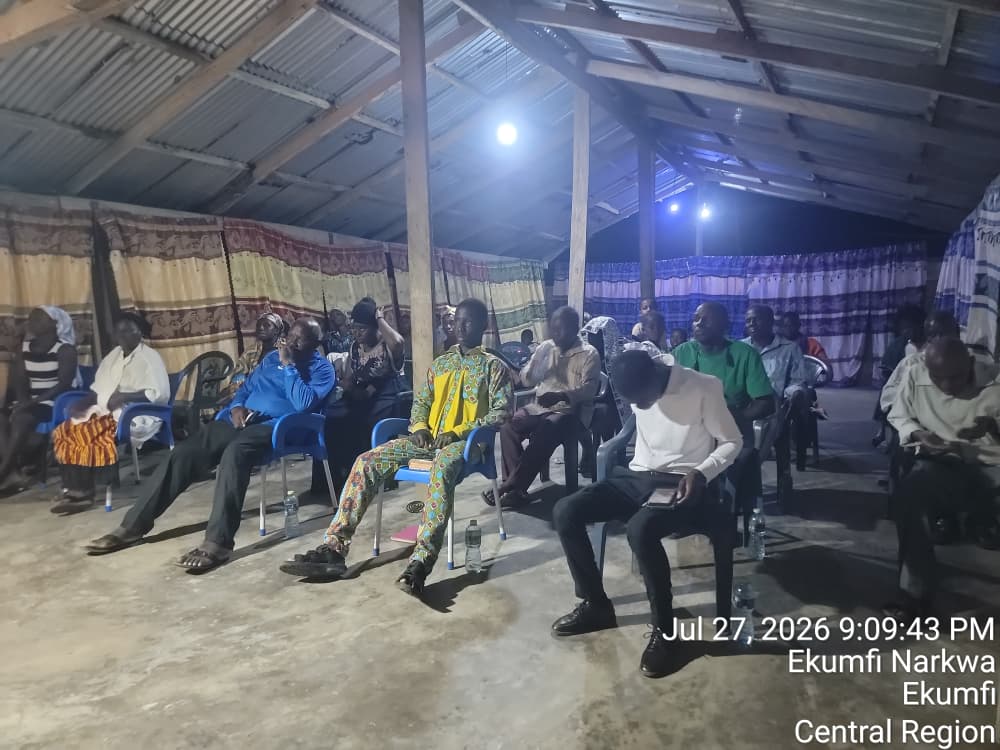
On July 27, I preached to a group of approximately twenty men in Otuam. Wayne taught on ThePattern, while I taught on Individual Versus Collective (Church) Action. This subject was particularly relevant to some of the discussions we had been having concerning the work of the church and the responsibilities of individual Christians. In the evening, I travelled to Narkwa, where I taught the brethren on the same subject during an evening class. Again, the emphasis was on allowing Scripture to determine whether a particular responsibility belongs to the individual Christian or to the local church.
Another Baptism at Narkwa
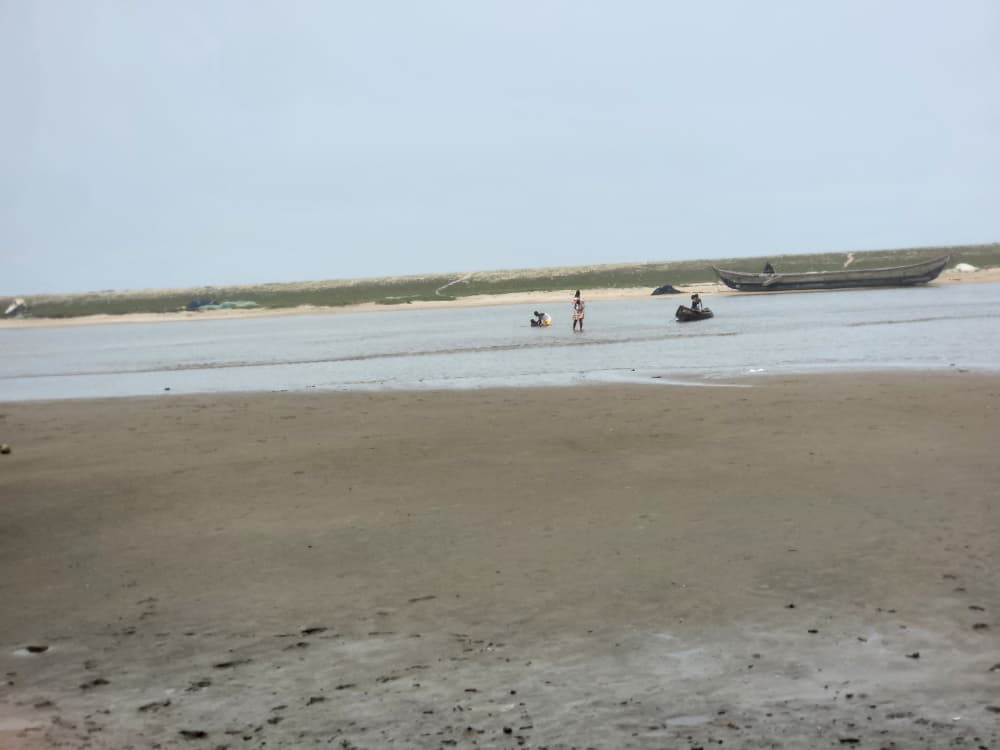
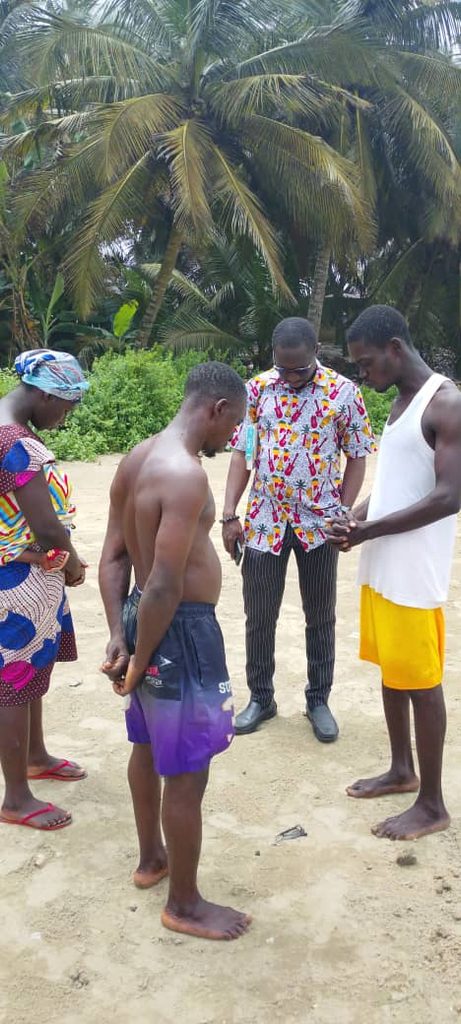
On July 28, we travelled to Narkwa for house-to-house evangelism. During our work, I had the opportunity to speak with a man whose school name is Joseph Mensah, while his local name is Kobbina Gyasi. After our discussion of the gospel, Joseph responded positively and was baptized. This was another encouraging result of the door-to-door work. The gospel is God’s power to save (Romans 1:16), and our responsibility is to preach it faithfully. We cannot determine beforehand who will respond to the truth, but we can ensure that people have the opportunity to hear it. That evening, there was a lectureship at Otuam. Wayne preached on the subject of choosing whom we will serve, using Joshua 24:15 and 1 Kings 18:20–21, 39 to emphasize the necessity of making a definite choice to serve God rather than attempting to serve both God and competing objects of worship.
House-to-House Work at Etsibeedu
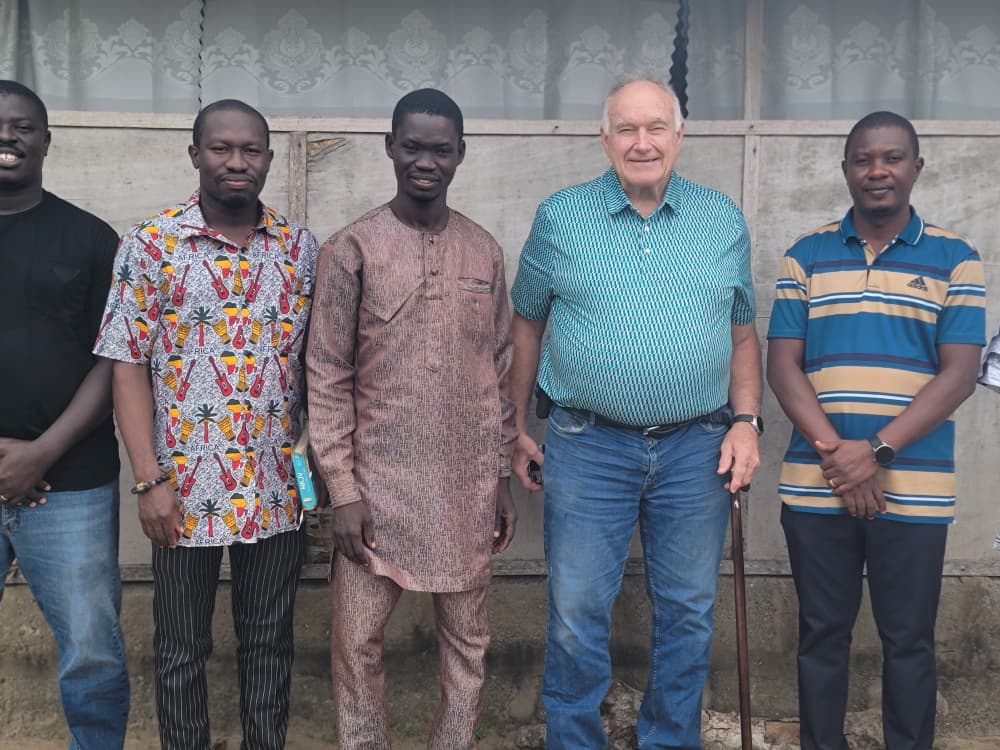
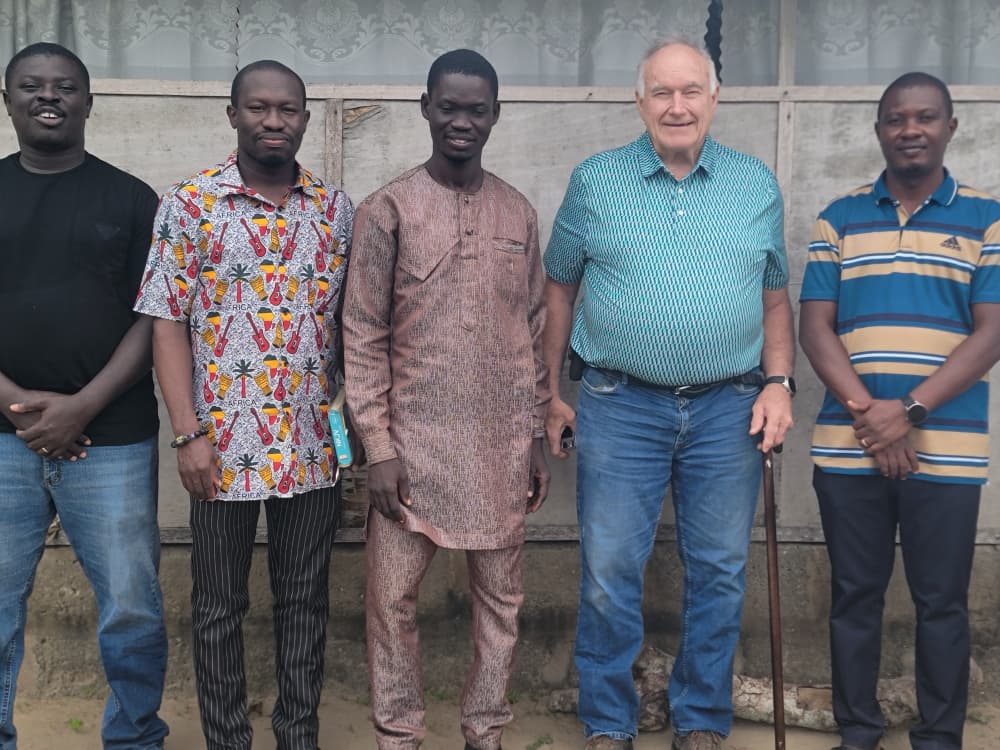
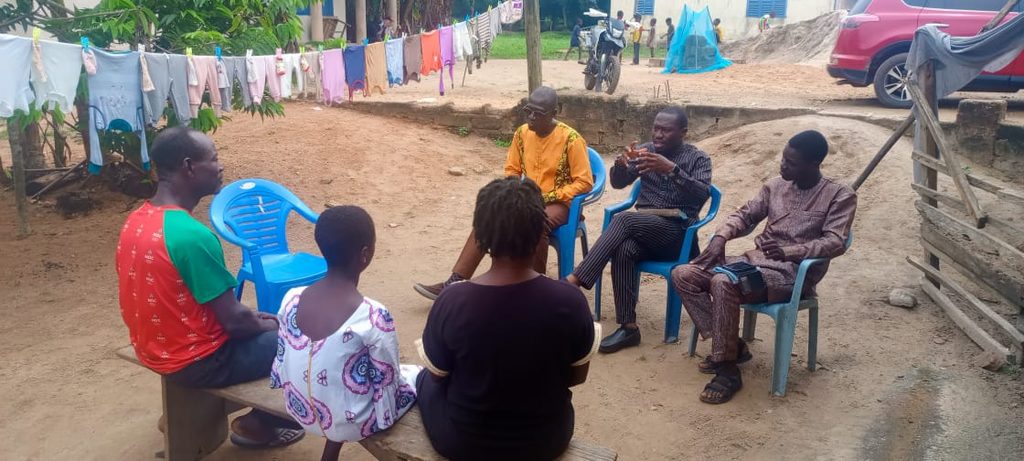
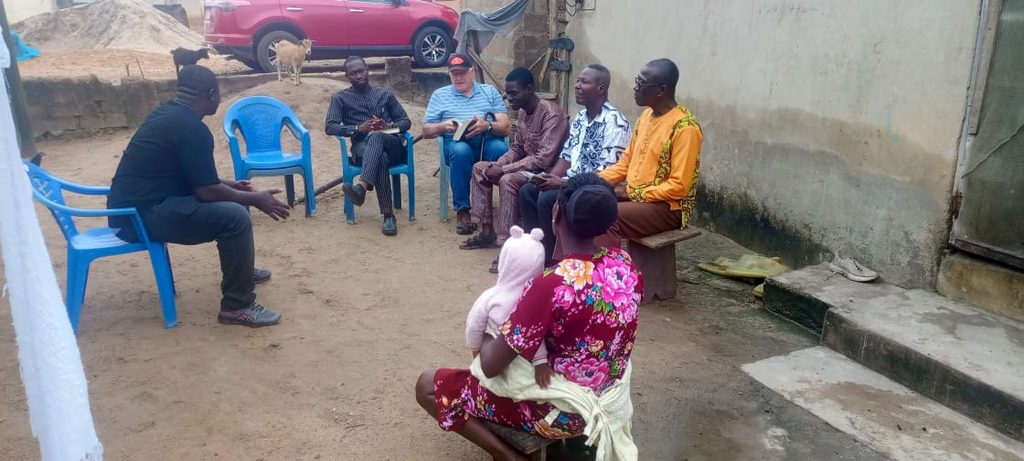
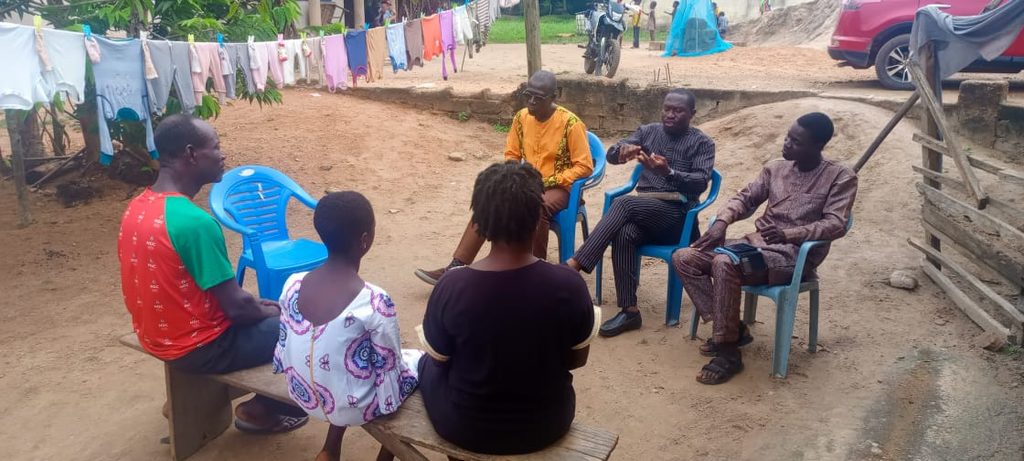
On July 29, we continued house-to-house preaching, this time at Etsibeedu. We visited the home of Bernice Aban, an erring member who had become pregnant and was living with a man without being married. We sought to encourage her to return to faithful living and to recognize the seriousness of sin. We also had the opportunity to preach to a woman and her husband. Later, we visited Aboano to see a brother who had been baptized during my 2024 preaching trip to Ghana. Although I did not record his name, it was encouraging to see someone who had previously obeyed the gospel during the earlier work. Such visits remind us that evangelism is not simply about baptizing people and leaving them. There is also a responsibility to encourage and strengthen those who have already become Christians.
Illness During the Trip
From July 30 to 31, both Wayne and I experienced a period of sickness. I believe that I was dealing with malaria, and I took antimalarial medication that Felix provided. Because of the sickness, we were unable to do as much as we had planned during those days, although we still managed to participate in some door-to-door evangelism. Wayne was also sick for a while. Thankfully, we both recovered, and the illness did not spoil the work or prevent us from continuing with the preaching program. We thank God for giving us the strength to recover and continue serving Him.
A Return to Okyereko
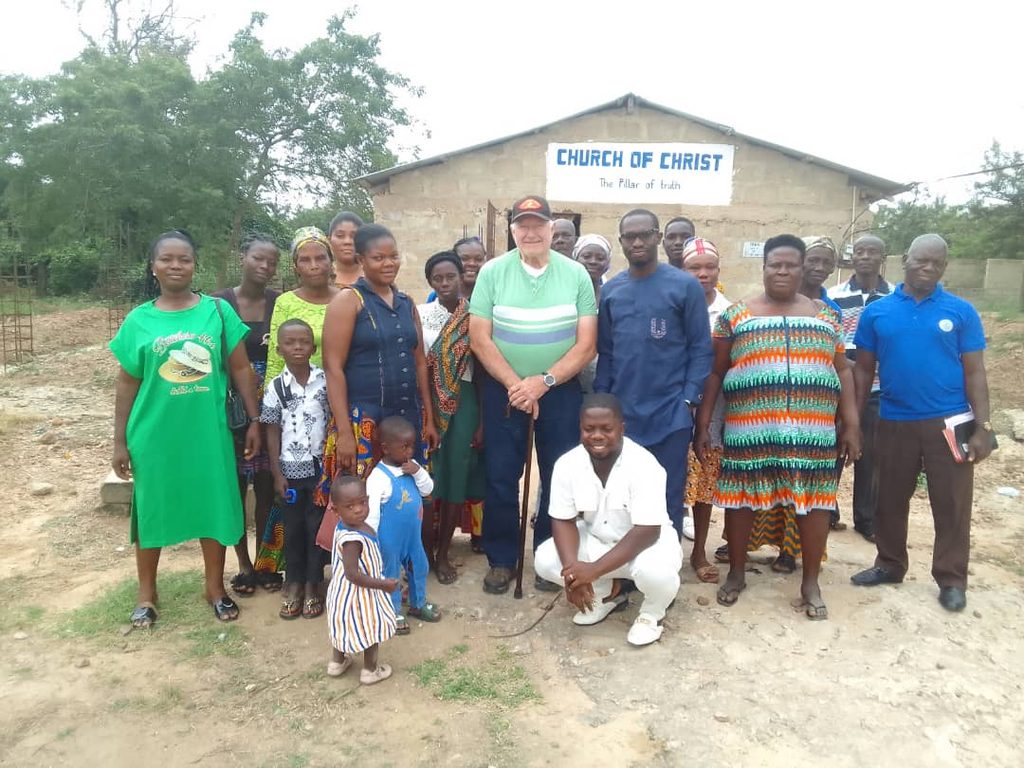
On August 1, we visited the church of Christ at Okyereko, where brother Solomon Abidi preaches. The congregation was conducting a lectureship, and we were privileged to participate. Wayne taught on “Is One Church as Good as Another?”, while I taught again on Fellowship. It was a good and encouraging meeting. Returning to Okyereko was also personally meaningful because I had visited and worked in the area during my previous preaching work in Ghana. It is always encouraging to return to places where the gospel has previously been preached and to see brethren continuing in the faith (cf. Acts 15:36).
Serving God Rather Than Two Masters
Sunday, August 2, provided another opportunity for worship and preaching. I preached at Dago, while Wayne preached at Otuam. My lesson focused on the necessity of serving God wholeheartedly. I emphasized why Christians cannot attempt to serve two masters by claiming to serve God while simultaneously giving themselves to idols or other objects of worship. Jesus said: “No one can serve two masters…” (Matthew 6:24). The Christian must make a clear choice to serve God. This principle is especially important in societies where traditional religious practices and Christianity may sometimes be mixed. Christianity demands exclusive devotion to God.
Another Men’s Training Class: The Pattern
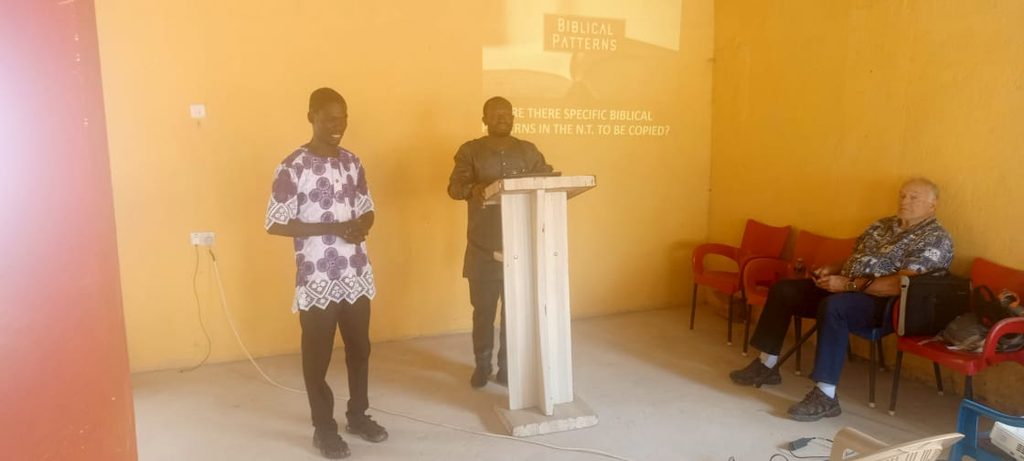
On August 3, we conducted another men’s training class at Otuam. Wayne and I taught several lessons concerning the pattern. We emphasized that God has provided a pattern for what He expects Christians and churches to do. This was important because some brethren in some quarters hold the view that there is no pattern for the work and practice of the church. Hebrews 8:5 provides an important principle concerning the pattern of divine things. The writer describes the priests under the Old Testament as serving: “the copy and shadow of the heavenly things” and says that Moses was divinely instructed when he was about to make the tabernacle: “See that you make all things according to the pattern shown you on the mountain.” Although the immediate context concerns the tabernacle and the Mosaic priesthood, the passage demonstrates that God has the right to specify how His arrangements are to be carried out. We therefore emphasized that the question in religious matters is not simply what men prefer or what appears to work well. The question is what God has revealed.
Leaving Ghana
On August 4, I returned from Otuam to Accra. Benjamin Nkrumah drove me in his car, as he had faithfully done throughout the portion of the trip in which we worked together. From Accra, I flew to Lagos, Nigeria, bringing my portion of the Ghana preaching trip to an end. Wayne and Stephen, however, continued their preaching work in Ghana. They remained until Tuesday, August 25, and continued working in places including Takoradi and Kumasi. Thus, although I returned to Nigeria on August 4, the broader preaching effort involving the brethren continued for three more weeks.
Reflections on the Work
The three weeks in Ghana were filled with opportunities to preach and teach God’s word. We were able to work with brethren in several locations, and the variety of activities made the trip especially productive. One of the things that stood out to me was the need for continued teaching among congregations. Several of the subjects we taught were not merely academic matters. They addressed questions that were directly affecting the understanding and practice of brethren. The repeated discussions about the proper use of the Lord’s funds, the distinction between individual and church action, fellowship, institutionalism, and the biblical pattern demonstrated the importance of teaching brethren to respect Bible authority.
At the same time, the door-to-door work reminded us of the importance of taking the gospel directly to people. The baptisms that occurred during the trip were encouraging evidence of what can happen when the gospel is faithfully preached.
I was also encouraged by the opportunity to return to places I had previously visited. Seeing brethren again, meeting people who had been reached during earlier preaching efforts, and observing the continued work of local preachers made me appreciate the long-term nature of evangelism. The work of preaching is not always immediately measured by visible results. Sometimes the preacher plants the seed, another person waters it, and someone else may eventually witness the harvest. Our responsibility is to faithfully preach the word.
Conclusion
My three weeks in Ghana were a great blessing and a very encouraging preaching experience. During the trip, we preached publicly and privately, conducted door-to-door evangelism, taught men’s training classes, participated in lectureships, preached in congregations, and discussed important biblical subjects with both Christians and denominational people. Among the subjects we studied were biblical authority, CENI, the silence of God, generic and specific authority, institutionalism, the all-sufficiency of the church, fellowship, Bible dispensations, worship, commitment, the church and the individual Christian, the proper use of the Lord’s funds, the biblical pattern, marriage and divorce, polygamy, evangelism and benevolence, and the responsibility of Christians to serve God faithfully.
I was particularly encouraged by the baptisms that occurred during the trip. Afua was baptized during our door-to-door work in the Otuam area, and Joseph Mensah (Kobbina Gyasi) was baptized following our house-to-house preaching at Narkwa. I was also encouraged when Stephen Walker reported three baptisms through his preaching work in Cape Coast. These conversions demonstrate the value of personal evangelism and the power of God’s word.
I am grateful to God for the opportunity to preach in Ghana once again. I am thankful for Wayne Seaton and Stephen Walker and for the work we were able to accomplish together. I am also grateful to Benjamin Nkrumah, Felix Adjei, Divine Agede, Solomon Abidi, Philip Eshun, and the many other brethren who assisted us, welcomed us, transported us, lodged us, and made the work possible. Above all, I am thankful to God for His providence, for the strength He gave us, and for the opportunities He provided to preach His word.
As I returned to Nigeria on August 4, the work in Ghana continued through Wayne and Stephen, who remained in the country until August 25 and continued preaching in Takoradi, Kumasi and Sun City. The work of preaching, therefore, did not end with my departure.
For me also, the work continues. Lord willing, I look forward to another preaching trip to the Philippines in September 2026, where I plan to work with brother Chris Reeves, and to Zimbabwe next year (2027), where I hope to work again with brother Stephen Walker. I pray that God will continue to open doors for the preaching of the gospel and give us opportunities to reach more people with His word. May the seed planted in Ghana and in the other places where we preach continue to produce fruit for His glory. As Paul wrote in 1 Corinthians 3:6: “I planted, Apollos watered, but God gave the increase.” To God be the glory, Amen!
Other photos from the trip